


To set up a high-yield hydroponic system at home, start by selecting the correct type of system, like Deep Water Culture or Nutrient Film Technique. Certify you have essential components, including a nutrient reservoir, a pump for circulation, and full-spectrum grow lights. Maintain ideal environmental conditions by managing temperature, air circulation, and nutrient levels. Regular maintenance is key to preventing issues. Want to boost your yields even more? There are plenty of practical strategies you can implement.
Key Takeaways
- Choose a suitable hydroponic system, such as DWC or NFT, based on space and plant type for optimal yields.
- Ensure proper environmental conditions by maintaining water temperature between 68-72°F and providing adequate airflow and lighting.
- Use high-yielding, disease-resistant crops and implement crop rotation to promote healthy growth and prevent disease buildup.
- Regularly monitor and adjust pH levels between 5.5 and 6.5, and maintain a balanced nutrient solution for effective nutrient uptake.
- To ensure system health and productivity, perform routine maintenance, including checking water levels and inspecting for algae or pests.
Essential Components of a Hydroponic System
To set up an effective hydroponic system, you must focus on several essential components that work together to support plant growth. First, verify that a reservoir holds 2-5 gallons of nutrient-rich water per plant, filled with dechlorinated water at 65-75°F, and placed on a level surface for proper nutrient flow.
You’ll also need a suitable growing medium, such as rock wool or hemp fibre, which provides stability and oxygen; coco coir is another excellent option due to its high water retention and natural antifungal properties.
Nutrient delivery requires a pump and tubing to circulate a balanced nutrient solution, while an air pump helps oxygenate it. Additionally, consider using a Nutrient Film Technique (NFT) system for efficient water and nutrient utilization.
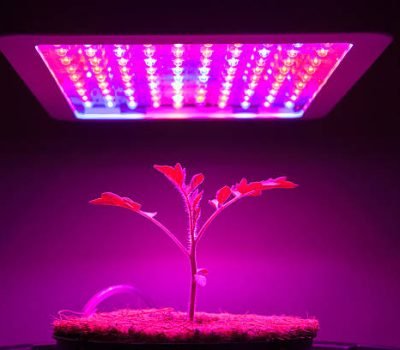
Finally, lighting is vital—full-spectrum LED grow lights should be set 6-12 inches above the plants, with environmental controls maintaining temperature and humidity for peak growth. Changing the nutrient solution entirely every 7-10 days is essential to ensure optimal plant health.
Types of Hydroponic Systems
Consider options like Deep Water Culture (DWC) or Nutrient Film Technique (NFT) when choosing a hydroponic system. DWC is great for smaller plants and offers excellent nutrient absorption with minimal maintenance. On the other hand, NFT maximizes space efficiency and provides a constant flow of nutrients, making it ideal for compact growing areas.
Deep Water Culture
Deep Water Culture (DWC) systems are popular for hydroponic gardening, offering a simple yet effective way to grow plants without soil. In a DWC setup, you’ll need a reservoir, typically a 5-gallon bucket, filled with nutrient-rich water. An air pump and airstone oxygenate the solution, promoting healthy root growth and preventing rot. The net pot holds your plant, allowing roots to dangle into the nutrient mix. Consider variations like Recirculating DWC, which connects multiple buckets for better nutrient distribution, or the Kratky Method, which operates passively. DWC systems are low-maintenance and adaptable, making them perfect for beginners looking to plunge into hydroponics.
Nutrient Film Technique
Nutrient Film Technique (NFT) systems offer a highly efficient way to grow plants hydroponically by utilizing a thin film of nutrient solution that continuously flows over the roots. This method maximizes water and space efficiency while promoting healthy plant growth.
- Grow Trays/Channels: Slightly angled channels where roots absorb nutrients.
- Water Pump: Pumps nutrient solution from the reservoir to the grow trays, which is vital for plant health.
- Return System: Guides used nutrient solution back to the reservoir for recirculation.
- Oxygen Access: Roots stay partly dry, allowing access to oxygen while soaking up nutrients.
With NFT, you’ll enjoy higher-quality crops and reduced labour, making it a fantastic choice for home gardeners.
Setting Up Your Hydroponic System
Setting up your hydroponic system can be an exciting venture that allows you to grow fresh produce with minimal space and resources. Start by preparing the reservoir; fill it with water and mix in the nutrient solution, adjusting the pH if needed. Assemble the air pump by connecting the air stone and check valve, ensuring the pump is outside the reservoir.
Position the grow tray above the reservoir and fill net pots with your chosen growing medium. Secure the lid to maintain system integrity, then add plants by planting seeds or transplanting seedlings, ensuring roots are slightly exposed to the nutrient solution. With these steps, you’ll be well on your way to a thriving hydroponic garden.
Optimizing Environmental Conditions for Growth
You must focus on temperature management and light quality to optimise your hydroponic system. Keeping your growing environment within the ideal temperature range guarantees your plants thrive while providing the right light intensity, which boosts photosynthesis. By fine-tuning these conditions, you can substantially enhance plant growth and health.
Temperature Management Techniques
Maintaining the correct temperature is crucial for your hydroponic system’s success. The ideal water temperature should range between 68-72°F to promote healthy root growth and nutrient absorption.
- Install Heating Systems: Use automated heating systems during colder months to maintain perfect temperatures in your reservoir.
- Utilize Cooling Systems: Incorporate reservoir chillers or ice packs to prevent overheating during warm weather.
- Monitor Regularly: Adjust your water temperature as needed to guarantee it stays within the ideal range.
- Enhance Air Circulation: Proper airflow helps stabilize temperatures and improves plant health.
Light Quality and Intensity
Achieving ideal growth in a hydroponic system goes beyond just temperature management; light quality and intensity play a significant role in plant development. You’ll need to measure light intensity in lux or PPFD, aiming for 1500-3000 lux during the vegetative stage and 3000-5000 lux for flowering plants. High-light plants like tomatoes might require up to 10,000 lux.
Choose the right grow lights: HID for efficiency, fluorescent for energy savings, or LEDs for customizable wavelengths. Position your lights correctly—distance matters, as light intensity decreases with distance. Reflective materials can enhance exposure. Finally, maintain a lighting schedule of 12-16 hours daily, adjusting the spectrum to support photosynthesis and flowering, ensuring your plants thrive throughout their growth stages.
Maintaining and Troubleshooting Your Hydroponic System
A well-maintained hydroponic system is crucial for thriving plants and ideal yields. Regular checks and maintenance can prevent many common issues.
- Baseline EC Check: Measure tap water’s EC to adjust nutrient solutions accurately.
- pH Monitoring: Regularly check and adjust pH levels to stay within the 5.5-6.5 range.
- Water Level Monitoring: Verify the reservoir is filled, and the water level is adequate, especially for young plants.
- Visual Inspections: Look for signs of algae, fungi, or bacteria buildup to address problems early.
Tips for Increasing Yields in Hydroponics
Regular maintenance of your hydroponic system sets the foundation for maximizing plant yields. To boost productivity, focus on precision nutrient management and innovative cultivation methods. Customize nutrient solutions for each growth stage and maintain a pH range of 5.5 to 6.5. Incorporate technologies like automated nutrient delivery and light control to perfect conditions.
| Tip | Description |
|---|---|
| Customize Nutrients | Match nutrient solutions to plant growth stages. |
| Automate Nutrient Delivery | Use sensors for real-time adjustments. |
| Optimize Light Spectrum | Tailor light for ideal plant growth. |
| Consider Vertical Farming | Maximize space with tiered setups. |
| Monitor Plant Health | Use technology for early disease detection. |
These strategies will help you achieve higher yields in your hydroponic garden.
Frequently Asked Questions
Can I Use Tap Water for My Hydroponic System?
Yes, you can use tap water for your hydroponic system but guarantee it’s below 150ppm TDS. Remove harmful chemicals like chlorine and adjust nutrient levels to avoid over-compensation from dissolved minerals.
How Much Space Do I Need for a Hydroponic Setup?
Depending on the plants, you’ll need varying space; for instance, tomatoes require 12-18 inches apart. Vertical systems can maximize your area, allowing you to grow multiple layers efficiently in compact spaces.
What Is the Lifespan of a Hydroponic System?
The lifespan of a hydroponic system depends on maintenance and care. With regular checks, cleaning, and nutrient management, your system can last years, supporting diverse plants and maximizing your growing potential.
Are There Specific Pests to Watch for in Hydroponics?
You should watch for pests like aphids, spider mites, whiteflies, thrips, and fungus gnats. Regular monitoring and good hygiene practices will help you prevent infestations and protect your plants effectively.
Can I Grow Fruiting Plants in a Hydroponic System?
Yes, you can grow fruiting plants in a hydroponic system. Choose suitable varieties, certify proper light, temperature, and nutrient management, and monitor environmental conditions for the best results. Your efforts will yield delicious fruits!
Conclusion
Setting up a high-yield hydroponic system at home is like planting seeds of success in your green oasis. You can cultivate thriving plants year-round by understanding the essential components, choosing the right system, and optimizing your environment. Regular maintenance and troubleshooting are key to keeping your system in tip-top shape. With patience and care, you’ll be reaping the rewards of fresh, home-grown produce in no time!
Also Check:
Hydroponics vs Soil: Which Growing Method Yields Better Results?