





Propogator
When you take a cutting, it has no roots to draw in water — its only lifeline is the humidity in the air around it. Let that humidity drop, even for a few hours, and the cutting wilts before it’s had a chance to root. A good propagator solves this by holding a stable, humid environment around your cuttings for as long as they need it, turning a fragile cutting into a strong, rooted clone.
We stock propagators in a range of sizes, from compact windowsill units to larger capacity trays, in both unheated and heated versions. Heated propagators add gentle base warmth, which speeds up rooting and gives you more control when you’re working in a cold room or over winter. The same propagators work just as well for starting seeds.
Pair your propagator with our Propagation Nutrients & Cloning Products to feed new roots as they form, or use a Propagation Media insert like Grodan rockwool for a ready-made rooting environment. If you’re propagating at larger scale, our Aeroponic Propagators use a fine root-zone mist instead of a humidity dome.

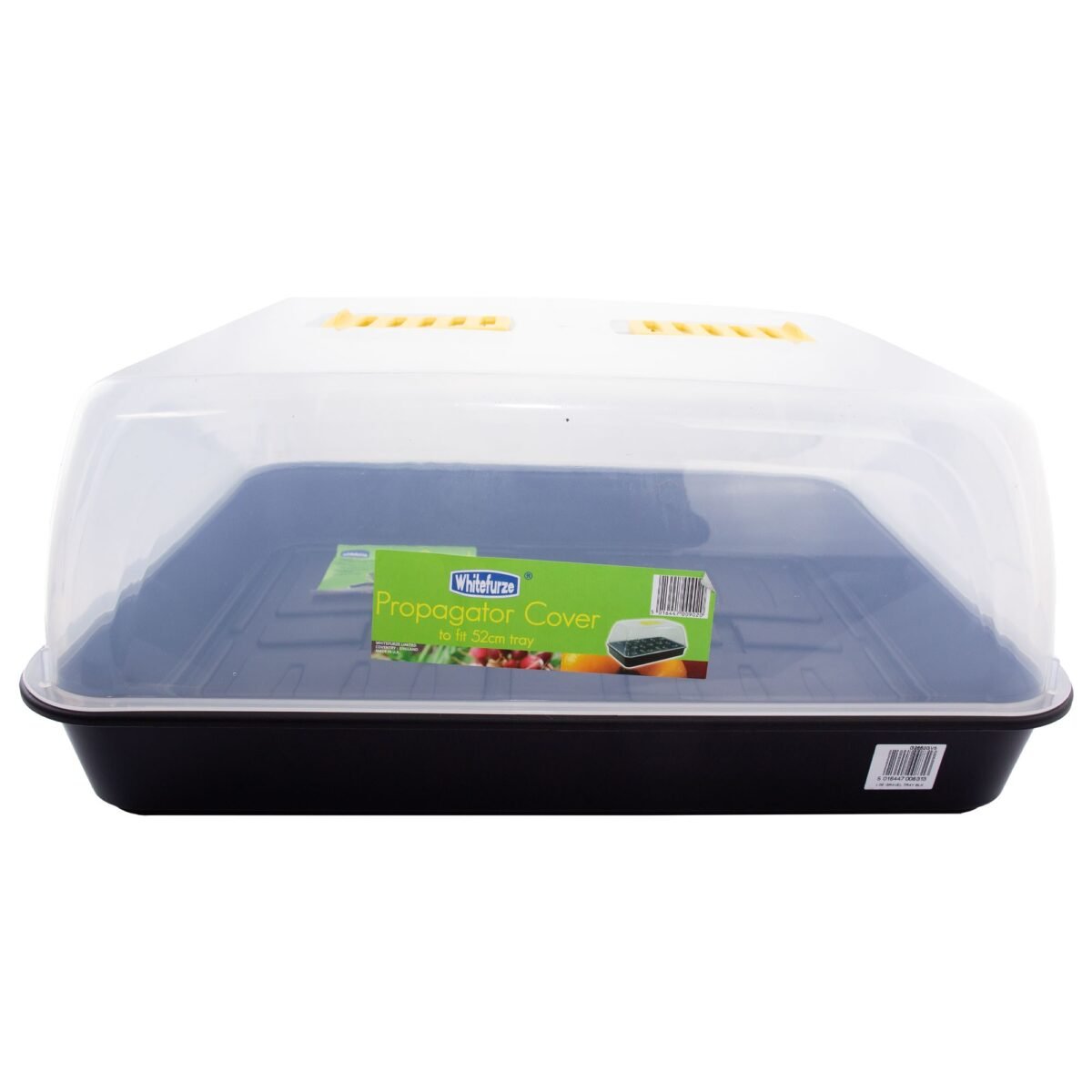
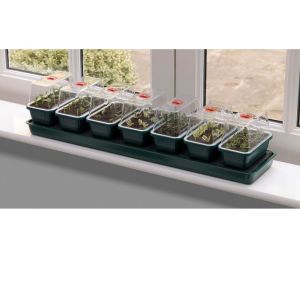
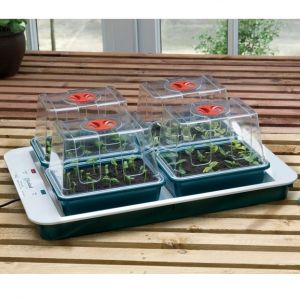
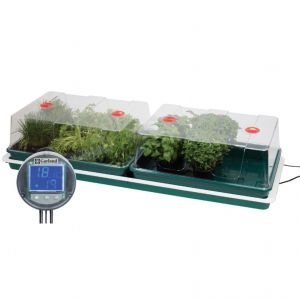
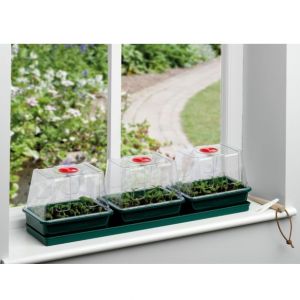
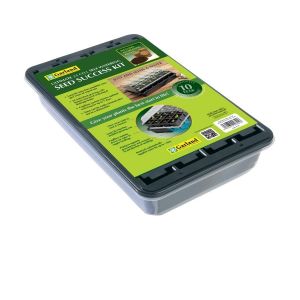
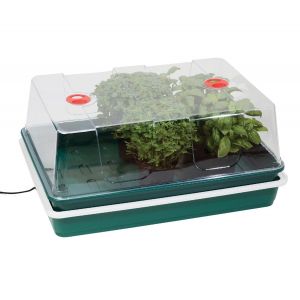
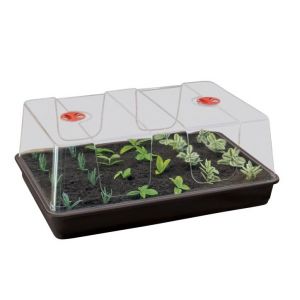
How to Choose the Right Propagator
Heated vs Unheated Propagators
Choose heated for tender cuttings or early seed sowing in a cold room or winter greenhouse — steady base warmth keeps germination consistent. Choose unheated when room temperature already sits near 18–22°C.
Propagator Size — Windowsill vs Large Capacity
A windowsill propagator suits a few seedlings or cuttings on a sill or shelf. Go large-capacity for a full tray or dozens of clones at once, giving each cutting room to root without overcrowding.
Basic Dome vs Digital Temperature Control
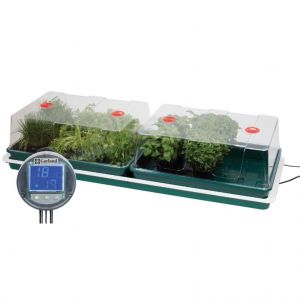
A basic dome holds humidity and low-level warmth at the lowest cost. A digital, variable-temperature unit — like our Garland Jumbo Professional range — thermostat-controls the heated base to within 1°C, worth it for year-round or large-batch propagation.
Propagators for Seeds vs Propagators for Cuttings/Clones
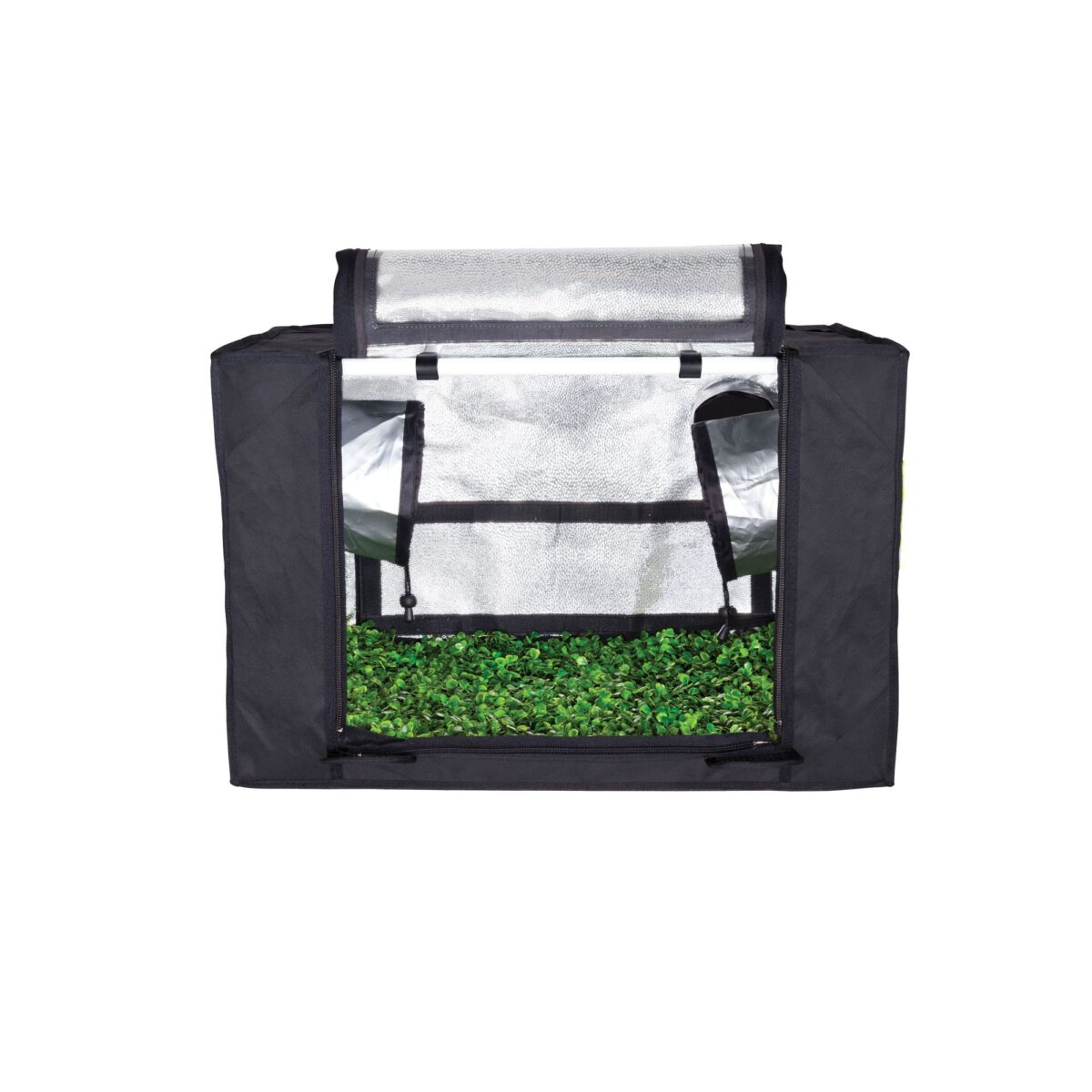
Both use the same propagator, but seeds need venting once germinated to prevent damping off, while cuttings/clones need humidity held high and undisturbed for 1–3 weeks. For hydroponic cloning, the Garden HighPro Probox is purpose-built for this, and pairs well with Grodan rockwool media.
Why Choose Propagators from Hydro Land?
We stock propagators from trusted names in the industry — Garland, Grodan, and Garden HighPro chosen because they hold up to daily use in serious growing setups, not just occasional windowsill sowing. As a UK hydroponic specialist rather than a general garden centre, our range is built around what cloning and propagation actually demand: consistent humidity, accurate heat control, and media that won't waterlog your cuttings. Every propagator we list sits alongside the nutrients, rockwool, and cloning products it's meant to be used with, so you're not left guessing what else you need to get roots forming reliably. Orders are dispatched fast from our Manchester warehouse, and if you're unsure which size or heated/unheated option suits your setup, our team is on hand by phone, email, or WhatsApp to talk it through before you buy.
FAQs
What is a propagator used for?
It holds warmth and humidity around seeds or cuttings so they germinate or root reliably, without drying out or wilting.
Do I need a heated propagator, or will an unheated one work?
Unheated works fine near 18–22°C. Choose heated for tender cuttings or early sowing in a cold room or winter greenhouse.
What temperature should I set a propagator to?
Most seeds and cuttings root best at 18–22°C; tropical cuttings may need up to 25°C. A thermostat model holds this more accurately.
What size propagator do I need for my space?
A windowsill propagator suits a few seedlings or cuttings. Go large-capacity for a full tray or dozens of clones at once.
Can the same propagator be used for both seeds and cuttings/clones?
Yes. Vent the lid once seeds germinate to stop damping off; cuttings need humidity held high and undisturbed for 1–3 weeks.
How much does it cost to run an electric propagator?
Most home units use 13–22W, so running one costs only a few pence a day at standard UK electricity rates.