


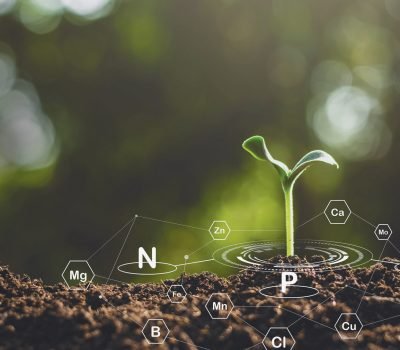





To boost plant growth naturally with organic nutrients, start by testing your soil to identify nutrient deficiencies and pH levels. Based on your plants’ needs, choose the right organic fertilizers like compost, kelp, or manure. Prepare your soil by loosening it and adding organic matter. Apply nutrients at the correct times, especially in spring and fall. Finally, monitor the soil and plant health to adjust your strategy. There’s so much more to explore when nurturing your garden!
Key Takeaways
- Conduct soil testing to identify nutrient deficiencies and pH levels for informed organic nutrient applications.
- Select appropriate organic fertilizers, such as plant-based, animal-based, or mineral-based, based on specific plant needs.
- Incorporate 2-4 inches of organic matter like compost to enhance nutrient absorption and improve soil structure.
- Apply organic fertilizers during optimal growing seasons, such as spring and fall, to maximize plant growth.
- Monitor soil health and plant response using sensors to adjust nutrient strategies for better outcomes.
Understanding the Importance of Soil Testing
Understanding the importance of soil testing is crucial if you want to boost plant growth naturally. It reveals deficiencies in essential nutrients like nitrogen, phosphorus, and potassium, helping you identify what your plants need. By providing data on plant-available macro-nutrients, soil testing enables you to make informed decisions on fertilizer applications, effectively addressing specific nutrient gaps. This prevents over-fertilization, which can harm both your plants and the environment.
Additionally, understanding nutrient needs allows you to optimize yields and guarantee healthy growth. Ultimately, soil testing sets the foundation for a thriving garden, giving you the insights necessary to nurture your plants and create a balanced, sustainable growing environment. Healthy soil is the foundation of a flourishing garden, so don’t overlook this essential step in your gardening journey!
Furthermore, soil testing provides information on soil texture, which is crucial to understanding how well your soil retains moisture and nutrients. It also evaluates the fertility of your soil, ensuring that you provide your plants with the proper nutrients for optimal growth.
Analyzing Soil Nutrient and Ph Levels
Once you’ve tested your soil, analyzing nutrient and pH levels is the next natural step in enhancing plant growth. Start by extracting nitrogen using calcium sulfate, while phosphorus and potassium can be extracted with a Mehlich 2 solution. Mix your soil sample with the extractant and agitate it, then vacuum filter the solution for further analysis.
For chemical analysis, nitrogen concentration can be determined by reducing nitrates and forming an amber solution. Analyze phosphorus with reagents that create a colour proportional to its concentration. For potash, a white precipitate is formed to gauge levels. Remember, maintaining a pH between 6 and 7 is vital, as incorrect levels can hinder nutrient availability. This data helps guide your organic fertilization strategies effectively.
Identifying Nutrient Deficiencies and Excesses
Identifying nutrient deficiencies and excesses in your plants is essential for promoting healthy growth and maximizing yields. Look for symptoms like yellowing leaves or burnt tips. Understanding what each deficiency looks like can help you take action before it’s too late.
| Nutrient | Deficiency Symptoms | Excess Symptoms |
|---|---|---|
| Nitrogen | Yellowing lower leaves | Leaf tip burn |
| Potassium | Brown leaf edges, slow growth | Leaf curling, reduced growth |
| Magnesium | Chlorosis between leaf veins | Leaf drop, poor fruiting |
| Phosphorus | Bronzish lower foliage | Poor flowering |
| General Symptoms | Stunted growth, weak branches | Leaf malformation |
Keep an eye on these signs to guarantee your plants thrive!
Selecting the Right Organic Nutrients
When selecting organic nutrients for your plants, it’s essential to understand the types available and their sources. Consider how each nutrient supports growth, including the crucial role of micronutrients in overall plant health. By choosing the right combination, you can enhance both soil quality and plant vitality.
Types of Organic Nutrients
Choosing the proper organic nutrients can substantially impact your plants’ growth and overall health. Plant-based fertilizers, like kelp and green manure, break down quickly, enriching the soil and supporting regeneration. If you need a boost of macronutrients, consider animal-based fertilizers such as cow or chicken manure, which enhance root and fruit development.
For concentrated nutrition, mineral-based fertilizers like rock phosphate and green sand deliver essential elements over a more extended period. Micro-algae-based fertilizers improve soil structure and promote beneficial microbes, leading to increased yield and reduced fertilizer use. By understanding these types of organic nutrients, you can select the best options to nurture your plants and improve your garden’s vigor.
Nutrient Source Considerations
Selecting the proper organic nutrients for your plants involves understanding their specific needs and the characteristics of various nutrient sources. For nitrogen, consider soybean meal for its moderate release and plant safety or alfalfa meal for a quicker boost. If you need fast nitrogen, blood, or fish meal works well but at a higher cost.
For phosphorus, bone meal and chicken manure offer readily available options that are vital for root development and flowering. Always check soil conditions, as they can influence nutrient availability. Tailoring your nutrient choice to your crop’s requirements—like calcium for tomatoes—ensures ideal growth. Remember, balancing these nutrients will support healthy plants and fruitful gardens.
Micronutrient Importance
Micronutrients play a pivotal role in plant health, often making the difference between a thriving garden and struggling plants. Elements like boron, iron, manganese, and zinc are essential for various growth processes. Boron aids in sugar transport and reproduction, while iron is necessary for photosynthesis and chlorophyll formation.
Manganese supports enzyme reactions and chlorophyll synthesis, and zinc is fundamental for enzyme function and plant development. Deficiencies in these micronutrients can lead to stunted growth, leaf discoloration, and reduced yields. Regular soil testing helps identify weaknesses, especially in susceptible soils. By understanding and selecting the proper organic nutrients, you can enhance your plants’ health and productivity, ensuring a vibrant and fruitful garden.
Preparing Your Soil for Nutrient Application
Before you add nutrients to your soil, it’s essential to prepare it properly to guarantee your plants thrive. Start by loosening the soil to a depth of 18 inches using a round-nosed shovel and stiff rake. This aeration allows roots to grow freely and enhances nutrient uptake. It should be added post-annually to maintain health. It should be combined with certified organic fertilizers, following package directions for even distribution.
Testing your soil’s nutrient levels is vital; it helps you identify deficiencies and select the right fertilizers. Finally, soil can structure cane with organic materials like gypsum and peat moss. These steps create ideal conditions for strong root systems and robust plant growth.
Techniques for Applying Organic Nutrients
When you’re ready to apply organic nutrients, start by preparing your soil to create an ideal environment for your plants. You can choose from various methods, like broadcasting or banding, to guarantee nutrients reach your plants effectively. By following specific application techniques, you’ll promote healthy growth and maximize your garden’s potential.
Soil Preparation Steps
Preparing your soil effectively is crucial for boosting plant growth naturally, and it all starts with understanding the current condition of your soil. Begin by conducting a soil test to assess nutrient levels and pH balance. Once you know what your soil needs, follow these steps:
- Clear existing vegetation through tilling or cover cropping.
- Dig down at least 6-10 inches to aerate and loosen the soil.
- Remove weeds and debris to enhance nutrient absorption.
- Incorporate 2-4 inches of organic matter like compost or manure.
- Guarantee the soil is well-structured and free from compaction.
Nutrient Application Methods
Once your soil is primed for growth, the next step is applying nutrients effectively to support your plants. Timing is vital; apply organic fertilizers in spring and fall when your plants are actively growing. Avoid applying during drought or extreme heat. Use methods like broadcasting for large areas or banding for targeted nutrient delivery around seeds. Foliar feeding can quickly deliver nutrients directly to the leaves, while fertigation integrates well with irrigation systems.
Don’t forget to test your soil to know its nutrient needs and follow product instructions to avoid over-application. Incorporate fertilizers into the soil for potted plants, and remember to side-dress established plants when nutrients deplete. The proper application guarantees your plants thrive!
Timing Your Nutrient Applications for Optimal Growth
How can you guarantee your plants get the nutrients they need at the right time? Timing your nutrient applications is vital for peak growth. Here are some key considerations:
- Spring: Apply NPK fertilizers as plants awaken from dormancy.
- Summer: Side-dress heavy feeders like tomatoes and peppers mid-season.
- Fall: Use potassium-rich fertilizers to strengthen roots for winter.
- Pre-Planting: Integrate NPK fertilizers into the soil to kickstart growth.
- Growth Stages: Tailor your nutrient application based on phases—from nitrogen for seedlings to potassium for mature fruiting.
Monitoring Soil Health and Plant Response
Monitoring soil health and plant response is crucial for maximizing growth and ensuring your garden thrives. You can achieve this through various methods, including soil moisture measurement and nutrient assessment. TDR are used sors for accurate moisture levels, while spectroscopic techniques like LIBS can quickly analyze nutrient content. Incorporating sensor technologies will also help you evaluate critical soil properly.
| Method | Description | Benefits |
|---|---|---|
| TDR Sensors | Measure moisture via voltage pulse | Accurate, real-time data |
| LIBS Spectroscopy | Analyzes soil composition | Rapid, portable measurements |
| Electrochemical Sensors | Detect pH and nutrients | Immediate feedback on health |
Benefits of Organic Nutrients for Soil Structure
Organic nutrients play a crucial role in enhancing soil structure, making them essential for any gardener. By incorporating organic matter into your soil, you’ll notice significant improvements in its overall health and functionality. Here are some key benefits:
- Enhances moisture retention: This keeps the soil moist longer, reducing the need for frequent watering.
- Promotes better drainage: Creates a porous composition, allowing excess water to flow away without pooling.
- Facilitates root growth: Supports healthy root development by making it easier for roots to penetrate.
- Reduces soil erosion: Binds soil particles together, preventing erosion and runoff during heavy rains.
- Increases pore space: Ensures adequate oxygen and water infiltration, vital for thriving plant life.
Embrace organic nutrients to transform your garden’s soil structure!
Environmental Advantages of Using Organic Fertilizers
Using organic fertilizers not only reduces chemical pollution but also enhances the biodiversity in your garden. These natural options help maintain a healthier ecosystem by avoiding harmful runoff and supporting a variety of beneficial microorganisms. By choosing organic, you’re making a positive impact on both your plants and the environment.
Reduced Chemical Pollution
The shift toward organic fertilizers offers significant environmental advantages, particularly in reducing chemical pollution. By choosing organic options, you actively contribute to cleaner water sources and healthier ecosystems. Organic fertilizers release nutrients slowly, decreasing the risk of chemicals leaching into groundwater. This method also minimizes nutrient runoff, preventing water contamination and harmful algal blooms.
- Protects local aquatic ecosystems
- Reduces chemical pollutants in runoff
- Enhances soil structure and water retention
- Prevents spikes in nutrient levels
- Promotes a balanced soil ecosystem
Enhanced Biodiversity Support
A diverse soil ecosystem plays a crucial role in supporting healthy plant growth, and organic fertilizers substantially enhance this biodiversity. By boosting the variety of microorganisms, these fertilizers create a thriving environment essential for nutrient release and improved plant health.
| Benefits of Organic Fertilizers | Impact on Soil Biodiversity |
|---|---|
| Promotes beneficial microorganisms | Increases variety of soil life |
| Improves soil structure | Enhances nutrient availability |
| Supports water retention | Reduces plant stress |
| Maintains natural ecosystem balance | Guarantees long-term soil fertility |
This increased biodiversity not only helps crops resist diseases and pests but also fosters sustainable agriculture practices. By choosing organic fertilizers, you’re contributing to a healthier, more resilient ecosystem in your garden.
Frequently Asked Questions
How Often Should I Test My Soil for Nutrients?
You should test your soil every 1 to 2 years for intensive cropping systems or high nutrient inputs. For sandy soils, test every 2 to 3 years, while clayey soils can wait 3 to 4 years.
Can I Use Homemade Compost for All Plants?
Yes, you can use homemade compost for all plants. It enriches the soil, improves structure, and provides essential nutrients. Just guarantee it’s well-balanced and appropriate for the specific needs of your plants.
What Are the Signs of Over-Fertilization in Plants?
You’d think more fertilizer means happier plants, right? Instead, watch for yellowing leaves, curling edges, and stunted growth. If roots rot and salt crusts appear, it’s time to rethink your fertilization strategy.
Are Organic Nutrients Safe for Vegetable Gardens?
Yes, organic nutrients are generally safe for vegetable gardens. They enrich the soil, support beneficial microorganisms, and reduce pollution risks. However, be cautious of some products that may contain harmful substances despite being labelled as organic.
How Can I Store Leftover Organic Fertilizers?
To store leftover organic fertilizers, keep them in airtight containers in a cool, dry place, away from sunlight and moisture. Certify containers are labelled, sealed tightly, and stored securely to prevent contamination and degradation.
Conclusion
In the garden of life, nurturing your plants with organic nutrients is like tending to a wise old tree deeply rooted in the earth. By understanding your soil’s needs and selecting the proper nutrients, you cultivate a thriving ecosystem. Just as a river flows freely, enriching the landscape, your efforts will enhance growth and essentiality. Embrace this natural pat and watch your garden flourish, creating a sanctuary where both plants and soil thrive harmoniously.
Also read other blogs:
Best LED Grow Lights for Indoor Gardening: A Complete Buyer’s Guide
10 Common Hydroponic Gardening Mistakes (And How to Avoid Them!)