

Hydroponic gardening lets you grow plants without soil, using nutrient-rich water instead. Start by choosing a hydroponic system that fits your space and budget, like Deep Water Culture or Ebb and Flow. You’ll need a container, anchoring medium, pumps, and grow lights. Monitor temperature, humidity, and pH levels to keep your plants healthy. With easy-to-grow options like lettuce and herbs, you can enjoy faster growth and higher yields. Keep going to discover tips for success!
Key Takeaways
- Choose a hydroponic system type, such as Deep Water Culture or Ebb and Flow, based on available space and plant selection.
- Gather essential components: a reservoir, water pump, air pump, tubing, and grow lights to create an effective hydroponic setup.
- Start with easy-to-grow plants like lettuce and herbs, ensuring they have similar nutrient requirements for optimal growth.
- Monitor and adjust environmental conditions, including temperature and humidity, to maintain a healthy growing environment.
- Regularly check nutrient levels, pH, and for pests to ensure a balanced and thriving hydroponic garden.
Understanding Hydroponic Gardening
Although hydroponic gardening may seem complex at first, it’s simply a method of growing plants without soil by using nutrient-rich water. Instead of soil, plants are anchored in an inert medium, allowing their roots to soak up essential minerals directly from the water. You can practice hydroponics both indoors and outdoors, using artificial LED lights to provide necessary light for indoor systems. Key components include a container, water, an anchoring medium, nutrients, and a light source. Various systems exist, such as Deep Water Culture, Nutrient Film Technique, and Ebb and Flow. Each system has its own unique approach to delivering nutrients, making hydroponic gardening perfect for those who want to extend their growing season and adapt to their space and preferences. Moreover, hydroponic systems use less water since it recirculates, reducing waste. This method also allows for year-round production, making it an ideal choice for those living in climates with harsh weather conditions.
Benefits of Hydroponic Gardening
When you embrace hydroponic gardening, you’ll discover numerous benefits that make it an appealing choice for both novice and experienced gardeners. You can expect greater yields, faster growth rates, and year-round production. Plus, it’s incredibly water-efficient and environmentally friendly.
| Benefit | Description | Impact |
|---|---|---|
| Enhanced Plant Yields | Denser spacing and better control over elements | Up to 50% faster growth |
| Water Efficiency | Uses 10x less water, capturing and recycling | Ideal for water-scarce areas |
| Reduced Environmental Impact | No pesticides, lower risk of diseases | Higher quality produce |
With these advantages, you’ll enjoy fresh, healthy food anytime while minimizing your environmental footprint. Hydroponics truly transforms how you grow!
Choosing the Right Hydroponic System
When choosing a hydroponic system, consider your available space, the types of plants you want to grow, and your budget. Each system offers unique advantages, especially for beginners, so it’s essential to find one that fits your needs. Let’s explore the different options to help you make an informed decision.
System Types Overview
Choosing the right hydroponic system can substantially impact your gardening success. Ebb and Flow systems periodically flood roots, mimicking natural conditions and promoting healthy growth. They’re customizable but need monitoring to prevent root rot. Drip systems provide precise nutrient delivery, ideal for larger plants and can recycle runoff. Nutrient Film Technique (NFT) systems continuously flow nutrients through tubes, perfect for leafy greens and space-efficient setups, though they require regular maintenance. Deep Water Culture (DWC) keeps roots immersed in nutrient-rich water, making it easy to set up and suitable for various plants, including tomatoes. Consider your plant choices and available space when selecting a system to guarantee the best results for your hydroponic garden.
Beginner-Friendly Options
Selecting a beginner-friendly hydroponic system can make your gardening journey smoother and more enjoyable. The Deep Water Culture (DWC) system is a great choice with its simple setup and forgiving nature, perfect for larger plants. If you prefer a low-maintenance option, the Wick system operates passively without electricity, ideal for smaller setups. For versatility, consider the Ebb and Flow system; it allows for various plant types and guarantees regular nutrient circulation. However, if you want to maximize space and grow multiple plants, the Nutrient Film Technique (NFT) system is efficient, though it requires more equipment. Choose the system that aligns with your space and plant preferences to kickstart your hydroponic gardening adventure!
Cost and Space Considerations
Cost and space considerations play a crucial role in your hydroponic gardening journey. Start by determining your budget, as small systems range from $100 to $500, while large, high-tech setups can exceed $10,000. Factor in additional costs like growing mediums, lighting, and nutrient solutions, which can add up quickly.
Next, assess your space. Small systems are perfect for growing 3 to 9 herbs, while medium-sized setups accommodate 12 to 24 plants. For larger systems, you’ll need dedicated indoor or outdoor areas. If space is tight, consider vertical farming to maximize your yield. Remember, maintenance and operational costs, including energy and labor, will also impact your overall investment. Make informed choices to guarantee your garden thrives!
Essential Supplies for Your Hydroponic Setup
When setting up your hydroponic garden, you’ll need to gather some essential equipment to guarantee success. Start by selecting the right growing medium that matches your chosen hydroponic system, as this can substantially impact plant growth. You’ll also want to ponder other necessary supplies, like pumps and lighting, to create the ideal environment for your plants.
Necessary Equipment Overview
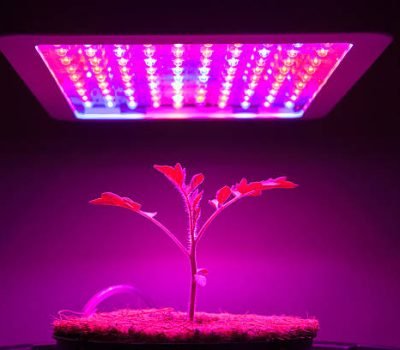
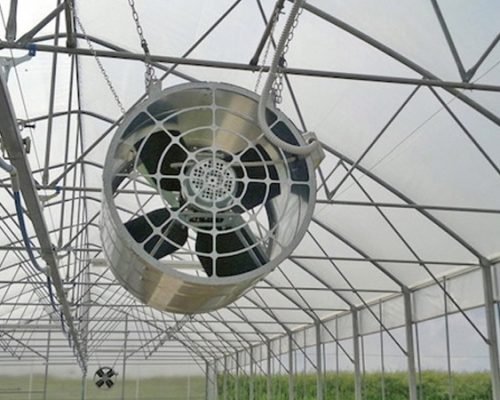
Creating a successful hydroponic garden requires a few essential pieces of equipment that work together to support plant growth. First, you’ll need a reservoir or tank to hold your nutrient solution—make sure it’s large enough and covered to prevent algae. Next, pumps are vital: a water pump circulates the solution, while an air pump provides much-needed oxygen, often aided by air stones. Tubing is necessary for moving water and air throughout your system, ensuring even distribution. Additionally, proper lighting is essential for indoor gardens; consider grow lights like HID, CFL, or LED. Finally, monitor your environment with a thermometer and hygrometer, and use fans for ventilation to keep fungal and bacterial issues at bay.
Selecting Growing Medium
Choosing the right growing medium is crucial for your hydroponic garden’s success. Different mediums offer unique benefits and challenges, so consider your plants and setup carefully.
| Medium | Benefits | Drawbacks |
|---|---|---|
| Rockwool | Excellent aeration, sterile | High pH, can irritate skin |
| Coco Coir | pH neutral, encourages bacteria | Needs rinsing, degrades over time |
| Perlite | Lightweight, great drainage | Doesn’t retain nutrients well |
| Expanded Clay Pellets | Reusable, good air and water retention | Heavy, requires good drainage |
| Hemp Fiber | Biodegradable, high water retention | Limited availability |
Select a medium that fits your garden goals, and you’ll set your plants up for thriving growth!
Step-by-Step Guide to Setting Up a Hydroponic System
Setting up a hydroponic system can be an exciting and rewarding project for any beginner gardener. Start by selecting a suitable container, like an old storage bucket, and drill holes in the lid for net pots, making sure they fit snugly. Choose your hydroponic system type, such as Deep Water Culture, and plan the layout, spacing holes about 15cm apart. Assemble your air pump outside the reservoir and connect it to an air stone using tubing. Install a water pump to circulate the nutrient solution and set up the delivery system. Fill the reservoir with your prepared nutrient solution, place your plants in net pots, and use grow lights if needed. Finally, implement a timer and monitor the temperature for ideal growth.
Selecting the Best Plants for Hydroponics
Hydroponics opens up a world of possibilities for growing fresh produce, and selecting the right plants is crucial to your success. Start with easy-to-grow options like lettuce and herbs, which mature quickly and thrive in various hydroponic systems. Spinach and arugula also do well, preferring cooler temperatures and compact growth. Consider plants’ weight and space needs; lighter greens require less support compared to heavier crops like tomatoes. Aim for a variety of maturity dates to guarantee continuous harvests, and choose plants with similar nutrient requirements for easier management. Always think about your local climate and opt for pest-resistant varieties. By making informed selections, you can enjoy a thriving hydroponic garden that meets your needs.
Maintaining Optimal Growing Conditions
To keep your hydroponic garden thriving, you’ll need to monitor the ideal temperature range and humidity levels closely. Consistent temperatures help plants grow better, while proper humidity control prevents issues like mold and mildew. By managing these factors, you’ll create a healthy environment for your plants to flourish.
Ideal Temperature Range
Maintaining the ideal temperature range is crucial for successful hydroponic gardening. Most plants flourish between 65–80°F (18–27°C), providing perfect conditions for root health and nutrient absorption. Here’s a quick reference for temperature preferences based on plant types:
| Plant Type | Ideal Temperature (°F) | Ideal Temperature (°C) |
|---|---|---|
| Cool-season crops | 65–70 | 18–21 |
| Warm-season crops | 70–85 | 21–27 |
| Onions and cucumbers | Higher than 70 | Higher than 21 |
| Lettuce | Below 70 | Below 21 |
Ensure your nutrient solution and reservoir water are the same temperature to prevent stress. Regularly monitor and adjust to keep your plants thriving in their preferred temperature zones.
Humidity Control Methods
A controlled humidity environment is essential for healthy plant growth in hydroponic gardening. You need to monitor and adjust humidity levels depending on the growth stage of your plants. Some effective methods for maintaining ideal humidity:
- Use hygrometers and humidistats to keep track of humidity levels and make adjustments automatically.
- Incorporate dehumidifiers or humidifiers based on your local climate to increase or decrease moisture as needed.
- Ensure balanced ventilation with fans to improve air circulation, preventing stagnant humid air from settling on your plants.
Nutrient Management in Hydroponic Gardening
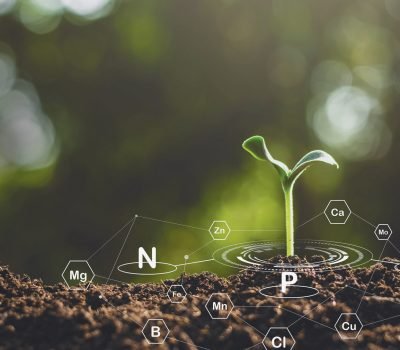
Effective nutrient management is crucial for thriving hydroponic gardens. You need to provide a balanced mix of macronutrients, like nitrogen and potassium, and micronutrients, such as iron and zinc, to support plant growth. Regularly monitor pH levels, aiming for a range of 5.5 to 6.5, to guarantee ideal nutrient uptake. Keep an eye on electrical conductivity (EC) to maintain the right nutrient strength, adjusting as your plants grow. Change the nutrient solution every two to three weeks to prevent imbalances. Using automated systems can help regulate nutrients and minimize errors. Finally, be vigilant for deficiency symptoms, adjusting concentrations and maintaining cleanliness in your system to keep your plants healthy and flourishing.
Troubleshooting Common Hydroponic Issues
Troubleshooting common hydroponic issues is essential for keeping your garden healthy and productive. Here are some key areas to monitor:
- System Leaks and Clogging: Regularly check for leaks at joints and flush tubes with warm water to prevent clogs.
- Lighting Issues: Invest in quality LED or T5 fluorescent lights, ensuring they provide the correct wavelengths for your plants.
- Pests and Infestations: Monitor for pests, cover the reservoir to minimize algae growth, and maintain clean tools to prevent disease.
Best Practices for Successful Hydroponic Gardening
Mastering hydroponic gardening starts with implementing best practices that guarantee your plants thrive in this soilless environment. Regular system maintenance is vital; check all components and sanitize to prevent algae buildup. Choose suitable plants, focusing on leafy greens and compact fruiting varieties. Maintain a balanced nutrient solution and monitor pH levels for peak uptake. Guarantee proper lighting and environmental conditions, adjusting as needed.
| Best Practice | Description | Frequency |
|---|---|---|
| System Maintenance | Inspect pumps, timers, and reservoirs. | Weekly |
| Plant Selection | Choose plants suited for hydroponics. | Per planting cycle |
| Nutrient Solution Monitoring | Check nutrient levels and pH regularly. | Bi-weekly |
| Lighting Adjustment | Adjust light distance as plants grow. | As needed |
| Environmental Control | Monitor temperature and humidity. | Daily |
Frequently Asked Questions
How Much Space Do I Need for Hydroponic Gardening?
You’ll need varying space depending on the plants. Leafy greens require 4-8 inches, while larger plants need 18-24 inches. Plan for root expansion and guarantee enough lighting for healthy growth in your hydroponic setup.
Can I Use Tap Water for My Hydroponic System?
Using tap water can be a gamble; it might be suitable or harmful. Check the TDS level first. If it’s above 150ppm, consider alternatives like Reverse Osmosis water to guarantee your plants thrive.
How Often Should I Change the Nutrient Solution?
You should change the nutrient solution every two to three weeks, but if you’re growing leafy greens or fast-growing veggies, consider changing it every week or two to meet their higher nutrient demands effectively.
What Are the Best Hydroponic Plants for Beginners?
Imagine planting a garden of vibrant treasures. For beginners, consider Swiss chard, basil, and green onions. They’re your trusty companions, growing quickly while requiring little care—perfect for starting your hydroponic adventure and reaping delicious rewards!
Can Hydroponics Be Done Outdoors or Only Indoors?
Yes, you can absolutely do hydroponics outdoors! Outdoor systems benefit from natural light, space efficiency, and easier pollination, making them a great option for growing a variety of plants simultaneously while saving on costs.
Conclusion
In the world of hydroponic gardening, you’ll find a vibrant contrast between the simplicity of setup and the complexity of care. While seeds sprout in nutrient-rich water, the plants thrive under your attentive watch. Embrace the journey of growth, from tiny seedlings to lush harvests, and enjoy the satisfaction that comes with each success. With a little patience and practice, you’ll transform your indoor space into a green oasis, proving that even the busiest lives can cultivate abundance.
Also read other blogs:
Best LED Grow Lights for Indoor Gardening: A Complete Buyer’s Guide
10 Common Hydroponic Gardening Mistakes (And How to Avoid Them!)
How to Boost Plant Growth Naturally With Organic Nutrients?