

To avoid common hydroponic gardening mistakes, keep an eye on pH levels, which should be between 5.5 and 6.5, to prevent nutrient lockout. Use high-quality water and a reliable filtration system to support plant health. Certify your plants get enough light, nutrients, and proper spacing for peak growth. Don’t forget regular system maintenance, temperature control, and vigilant pest management. Staying proactive about these factors can lead to a thriving garden; there’s more to discover on this topic.
Key Takeaways
- Neglecting regular cleaning can lead to disease; establish a weekly cleaning schedule to maintain a healthy hydroponic system.
- Failing to monitor pH levels can cause nutrient lockout; keep pH between 5.5 and 6.5 for optimal nutrient absorption.
- Inadequate lighting can stunt growth; provide 16-18 hours daily using suitable plant growth lights.
- Ignoring water quality can harm plants; test water parameters regularly and invest in a reliable filtration system to maintain stability.
- Overcrowding plants can hinder growth; ensure proper spacing based on plant size to promote airflow and prevent resource competition.
Neglecting Ph Balance
Neglecting pH balance in hydroponic gardening can spell disaster for your plants. If you let pH levels drift outside the ideal range of 5.5 to 6.5, your plants struggle to absorb essential nutrients, leading to yellowing leaves and stunted growth. Even with plenty of nutrients, an incorrect pH can cause nutrient lockout, preventing recovery. This oversight harms your current crop and can affect beneficial microorganisms vital for root health. Poor pH management can lead to extreme pH conditions that risk long-term damage, impacting flower and fruit development.
Additionally, pH directly influences nutrient availability to plants, which underscores the importance of maintaining balanced levels. To avoid these issues, regularly test your nutrient solution and adjust pH levels as needed. Maintaining proper pH levels guarantees your plants thrive and maximize their potential.
Improper Nutrient Management
Maintaining the proper pH balance is just one piece of the puzzle; improper nutrient management can also derail your hydroponic gardening efforts.
- Nutrient Concentration: Start with a diluted nutrient solution and gradually increase to prevent nutrient burn, especially in younger plants.
- Overfeeding: Limit bloom-boosters and control nutrient levels to avoid stalling growth and causing crispy leaf tips.
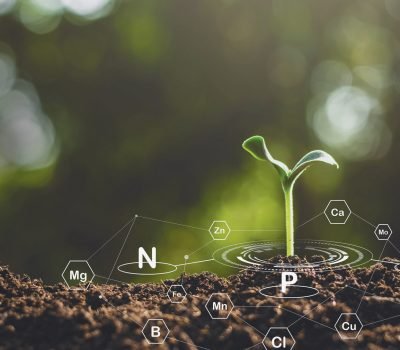
- Inadequate Supply: Certify a balanced supply of nitrogen, phosphorus, and potassium to prevent yellowing leaves and stunted growth.
- Correct Solutions: Always use fresh, brand-specific nutrient solutions to avoid harmful imbalances and degradation.
Using Poor-Quality Water
When it comes to hydroponic gardening, the quality of water you use is vital. You need to test your water regularly to guarantee it’s free of toxins and harmful minerals. Investing in a sound filtration system can make all the difference in keeping your plants healthy and thriving.
Water Quality Testing
Using poor-quality water can severely impact your hydroponic garden’s success. To guarantee your plants thrive, regularly test these essential water parameters:
- pH Levels: Keep it between 5.5 and 6.5 for peak nutrient uptake. Use a pH meter for accuracy.
- Electrical Conductivity (EC): Monitor the nutrient concentration with an EC meter. Adjust levels as needed to maintain healthy growth.
- Total Dissolved Solids (TDS): Measure the total concentration of dissolved substances, verifying a balanced nutrient solution.
- Water Temperature: Maintain a range of 18°C to 25°C (64°F to 77°F) to promote healthy plant development.
Regular testing helps you identify potential issues before they affect your garden, guaranteeing your plants get the quality water they need.
Filtration System Importance
Water quality testing is just the beginning of ensuring a thriving hydroponic garden. If you’re using poor-quality water, you’re setting yourself up for failure. A reliable filtration system prevents contamination by removing harmful bacteria and chemicals like chlorine, ensuring a clean environment for your plants. This cleanliness allows for ideal nutrient uptake, as contaminants can lead to nutrient lockout and poor growth.
A sound filtration system maintains stable pH and electrical conductivity (EC) levels, vital for healthy plant development. It also extends the lifespan of your hydroponic system by minimizing clogging and maintenance issues. Invest in a quality filtration system, and your plants will thank you with robust growth and vibrant health.
Inadequate Lighting
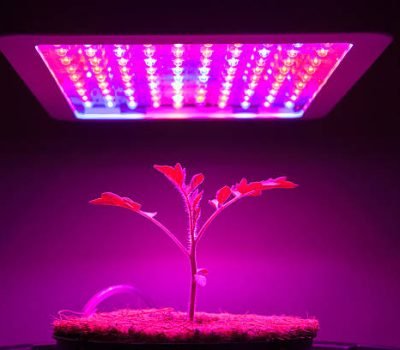
Inadequate lighting can seriously hinder your hydroponic gardening success. To avoid this mistake, keep these key points in mind:
- Choose the Right Equipment: Use LED grow lights for energy efficiency and longevity, or select fluorescent or HPS lights based on your plants’ needs.
- Set Up Fixtures Properly: Hang lights at the right height to guarantee adequate intensity while preventing heat damage.
- Adjust Intensity and Duration: Provide 16-18 hours of light daily, increasing intensity during flowering stages for peak yield.
- Monitor Conditions: Check for signs of light stress, like yellowing leaves, and adjust accordingly.
Poor System Maintenance and Sanitation
Regular cleaning is essential if you want your hydroponic garden to thrive. Establish a daily schedule to remove debris and sanitize your equipment, which helps prevent bacteria and disease. Remember, a clean system protects your plants and boosts your overall yield.
Regular Cleaning Schedule
A regular cleaning schedule is crucial for maintaining a healthy hydroponic system. You should clean your system at least once weekly or every four days if you’re a commercial grower. Regular cleaning minimizes the risk of plant diseases and helps keep your plants thriving. Here’s a simple checklist to follow:
- Gather cleaning tools and clear the system of all plants.
- Drain any remaining liquid and remove organic material, including filters.
- Scrub and soak smaller parts with a detergent or bleach solution.
- Rinse components thoroughly with clean water to remove any residue.
Sterilization of Equipment
Proper sterilization of equipment is essential for a thriving hydroponic garden. To prevent disease, use chemical methods like a 10% bleach solution or a diluted 3% food-grade hydrogen peroxide. Carefully handle these agents, following safety instructions. For heat sterilization, consider boiling or baking your tools at high temperatures.
When dealing with materials like clay pellets or Rockwool cubes, soak them in hydrogen peroxide for 24 hours and rinse thoroughly. Coco coir can be tricky, so limit its reuse. Always rinse and allow items to dry completely before reassembly. Remember, maintaining clean equipment prevents contamination and guarantees maximal nutrient levels, promoting plant health in your hydroponic setup. Stay vigilant, and your garden will thrive!
Incorrect Plant Spacing and Environmental Conditions
Incorrect plant spacing and environmental conditions can substantially hinder the success of your hydroponic garden. When plants are too close together, they compete for nutrients, stunting growth and increasing humidity, which invites pests. Here are some tips to avoid these issues:
- Space small plants like lettuce 4-8 inches apart and larger plants like kale 8-12 inches apart.
- Regularly check spacing to adjust for rapid growth.
- Use a spacing guide for specific crops to prevent overcrowding.
- Stagger plants in vertical systems to enhance airflow.
Overlooking Temperature Control
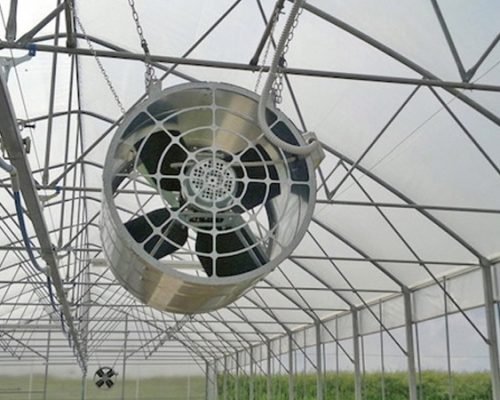
Temperature control is often an overlooked aspect of hydroponic gardening that can make or break your success. The ideal water temperature for most plants falls between 68-72 degrees Fahrenheit, but different plants have specific needs. If it’s too cold, nutrient uptake slows down, leading to deficiencies. On the other hand, high temperatures can cause root rot and reduce nutrient absorption efficiency.
Additionally, seeds and seedlings require warmer conditions than mature plants, while leafy greens like spinach prefer cooler temps. Inconsistent temperatures can stress your plants, impacting overall growth and yields. To maintain prime conditions, invest in heating and cooling systems, use thermometers for monitoring, and consider automation for consistent water temperatures. Don’t overlook this vital factor!
Failing to Monitor Plant Health
Regularly evaluating their health is vital when you’re growing plants hydroponically. Monitor leaf colour and growth patterns to catch potential issues early. Neglecting these checks can lead to more significant problems, affecting both plant health and yields.
Regular Health Assessments
Regular health assessments are crucial for the success of hydroponic gardening, as neglecting to monitor plant health can lead to significant issues. Regularly evaluating your system can catch problems early and guarantee ideal growth.
1. Water Quality Testing: Regularly check pH levels (5.5-6.5) and EC/TDS measurements to maintain nutrient balance.
2. Nutrient Levels: Use EC/TDS meters to prevent nutrient burn or deficiencies; track symptoms like slow growth and poor flowering.
3. Oxygenation: Guarantee proper aeration and water circulation to promote healthy root growth.
4. Filtration and Sterilization: Maintain clean water and filter systems to prevent pathogens and guarantee nutrient availability.
Stay proactive to keep your hydroponic garden thriving!
Observe Leaf Color
Monitoring your plants’ health goes beyond regular assessments; observing leaf colour is a key indicator of nutrient deficiencies that can hinder growth. For instance, if your older leaves turn yellow, it might signal nitrogen deficiency, leading to stunted growth.
Dark green or purplish leaves could indicate a phosphorus deficiency, affecting root development and flower production. Watch for yellowing and browning edges, which suggest potassium deficiency, while interveinal yellowing points to iron or magnesium issues.
Twisted leaves can mean zinc deficiency and distorted growth often signifies calcium deficiency. By monitoring these colour changes, you can promptly adjust your nutrient solution to maintain peak plant health and prevent costly setbacks in your hydroponic garden.
Monitor Growth Patterns
Keeping an eye on growth patterns is crucial for spotting potential issues in your hydroponic garden. Failing to monitor plant health can lead to serious problems.
- pH Balance: Keep pH levels between 5.8 and 6.2. Use pH Up or Down solutions as needed.
- Electrical Conductivity (EC): Measure nutrient concentration. Aim for ideal EC levels based on plant type and growth stage.
- Water Temperature: Maintain a consistent temperature between 65-72°F. Fluctuations can stress your plants.
- Humidity Control: Monitor humidity levels to prevent dehydration or fungal diseases.
Ignoring Pest Management
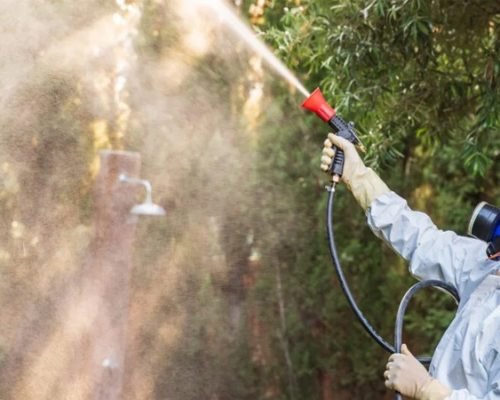
Neglecting pest management in hydroponic gardening can spell disaster for your plants. To keep pests at bay, start with good hygiene practices. Clean and disinfect all tools before and after use, and avoid bringing outdoor tools into your hydroponic space. Regularly check your plants for signs of pests or diseases, using sticky traps to monitor populations.
Don’t forget the undersides of leaves; pests like whiteflies can hide there. Consider introducing beneficial insects like ladybugs and lacewings for natural pest control. Use organic options like insecticidal soap or neem oil to tackle infestations without harming beneficial insects. By staying vigilant and proactive, you can create a thriving hydroponic garden free from pest problems.
Skipping Regular System Inspections
Regular system inspections are crucial for maintaining a healthy hydroponic garden. By skipping these checks, you risk inefficiencies in energy and water usage, leading to unnecessary costs and plant stress.
- pH Levels: Regularly monitor to prevent fluctuations hindering growth.
- EC Levels: Verify nutrient levels are ideal for robust plant health.
- Temperature & Humidity: Keep these stable to avoid environmental stress.
- Water Clarity: Check for debris or algae, which can indicate system problems.
Neglecting inspections can lead to serious issues like disease, chemical imbalances, and ultimately decreased yields. Stay proactive to safeguard a thriving hydroponic garden!
Frequently Asked Questions
How Often Should I Change the Water in My Hydroponic System?
You should change the water in your hydroponic system every two to three weeks for larger systems and weekly for smaller ones and adjust based on plant type, nutrient demands, and environmental conditions for ideal growth.
Can I Use Tap Water for My Hydroponics?
Did you know that tap water can contain over 150ppm of TDS, making it unsuitable for hydroponics? Check your water quality first; chlorine and minerals can harm your plants if not properly filtered.
What Signs Indicate My Plants Are Not Getting Enough Light?
If your plants aren’t getting enough light, you’ll notice leggy growth, yellowing leaves, and slow development. Watch for sparse foliage, premature bolting, or flowers missing on fruiting plants, indicating they struggle to thrive.
How Can I Identify Nutrient Deficiencies in My Plants?
Think of your plants as a canvas; nutrient deficiencies paint their leaves in shades of distress. Check for yellowing, darkening, or unusual patterns. Observe growth and flowering; they’ll whisper their needs if you listen closely.
What Are the Best Practices for Pest Management in Hydroponics?
To manage pests in hydroponics, regularly clean your system, introduce beneficial insects, and use physical barriers. Monitor environmental conditions and apply natural insecticides carefully to maintain a healthy growing environment for your plants.
Conclusion
By avoiding these common hydroponic gardening mistakes, you’ll cultivate a thriving garden and enjoy bountiful harvests. Remember, even the best gardeners stumble; how you learn and adapt counts. So, keep your pH balanced, monitor your plants, and give them the care they deserve. After all, a flourishing garden is just a few adjustments away. You can turn your hydroponic dreams into reality with attention and effort. Happy gardening!
Also Read:
The Ultimate Guide to Setting Up a High-Yield Hydroponic System at Home!
Hydroponics vs Soil: Which Growing Method Yields Better Results?