

When comparing hydroponics and soil, hydroponics wins in growth speed and resource efficiency. Due to precise nutrient delivery and denser spacing, you’ll notice plants grow 40-50% faster and yield up to 30% more in hydroponic systems. Plus, it uses up to 90% less water. While soil methods have benefits, they often require more ongoing maintenance and face challenges with pests and diseases. There’s plenty more to explore about these two methods.
Key Takeaways
- Hydroponics can yield up to 30% more than soil methods due to denser spacing and multiple annual harvests.
- Plants grown hydroponically mature 25% faster, allowing for quicker turnover and increased productivity.
- Hydroponics uses up to 90% less water than traditional soil gardening, enhancing water efficiency.
- Consistent control over nutrient delivery in hydroponics leads to superior plant health and nutritional value.
- Soil growing methods can struggle with erosion and nutrient variability, impacting overall yield consistency.
Understanding Hydroponics: The Basics
While you might think of gardening as a soil-based endeavor, hydroponics offers a fascinating alternative by allowing you to grow plants in nutrient-rich water. This method, derived from the Greek words for water and labor, has been studied since the 17th century, with the term “hydroponic” emerging in the 1930s.
In this system, plants receive essential elements like water, oxygen, and nutrients directly through the water, eliminating the need for soil. You can achieve faster growth rates—about 40-50% quicker—and higher yields, often exceeding traditional methods by 30%. Plus, hydroponics allows you to control the growing environment, making cultivating plants year-round, regardless of seasonal changes, possible. It’s a modern twist on gardening that maximizes efficiency and output.
Additionally, hydroponics can use up to 90% less water than conventional gardening methods, highlighting its potential for sustainability. Moreover, hydroponics systems typically produce 20-25% higher yields than soil growing, showcasing their effectiveness in maximizing plant growth. Furthermore, many ancient civilizations, such as the Aztecs and Chinese, utilized hydroponic-like systems, illustrating that this innovative method has a rich history.
The Role of Growing Medium in Plant Health
The growing medium is crucial to plant health, providing physical support and essential nutrients. It anchors your plants, guaranteeing their roots and stems remain stable while allowing for proper aeration. This prevents root compaction, promoting better oxygen intake. A well-balanced growing medium regulates water retention and drainage, preventing waterlogging or root rot.
You’ll find that it supplies water and minerals, facilitating efficient nutrient uptake. Maintaining ideal pH levels guarantees that essential nutrients are available for your plants. Additionally, the growing medium supports beneficial microorganisms, further enhancing plant health. You create an environment where your plants can thrive and reach their full potential with the right medium.
Speed of Growth: Hydroponics vs Soil
In the debate between hydroponics and soil, one standout advantage of hydroponics is its speed of growth. Hydroponic plants can grow 40-50% faster than soil plants, completing their growth stages more quickly due to a constant nutrient supply. Hydroponics gives you precise control over growing conditions, including temperature and pH, which optimizes growth.
In contrast, soil-based plants often waste energy searching for nutrients, slowing their progress. Hydroponic systems deliver nutrients directly to the roots, ensuring efficient absorption and minimizing nutrient loss. This immediate access leads to accelerated growth, often 2-3 times faster under the same conditions. If you’re aiming for quicker results, hydroponics has the upper hand.
Space Efficiency: Maximizing Your Growing Area
Vertical gardening techniques can transform your space when maximizing your growing area. You can utilize indoor areas effectively, stacking plants to increase density without sacrificing growth. This method enhances your yield and makes the most of limited space.
Vertical Gardening Techniques
Maximizing your growing area can transform any garden into a productive oasis; vertical gardening techniques are key to achieving this. Using methods like trellising, you can support vining crops such as tomatoes, squash, and pole beans to grow upward rather than outward. This saves space, promotes better airflow, and reduces disease risk.
- Trellising: Use versatile materials like PVC to support your plants and protect them from cold.
- Succession Planting: Keep your garden productive by planting new crops as others are harvested.
- Tight Spacing: Optimize nutrient concentration and reduce weed growth by planting crops close together.
These techniques can substantially enhance your garden’s productivity.
Indoor Space Utilization
Creating an efficient indoor growing space is essential for maximizing your gardening potential, especially in urban settings. Hydroponic systems shine in this regard, fitting seamlessly into small spaces while allowing for vertical farming techniques that multiply your plant capacity. You can utilize grow tents or containers to create controlled environments, optimizing every inch of your area.
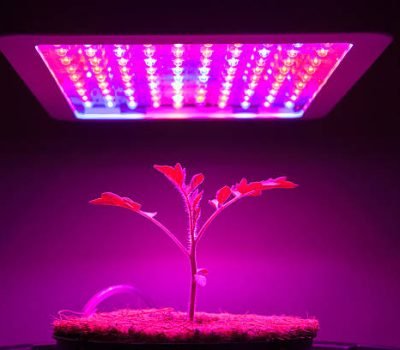
Mobile racking systems provide flexibility, enabling easy access and reorganization of your plants. Plus, advanced LED lighting enhances light distribution, ensuring all plants thrive. With hydroponics, you can effectively reduce water usage and waste, making your indoor garden not only space-efficient but also resource-efficient. Embrace these methods to elevate your indoor gardening experience!
Density of Planting
Planting density is crucial in maximizing your growing area, especially in hydroponics. Hydroponic systems allow you to grow plants closer together due to precise nutrient delivery, leading to increased crop yield per square foot. This efficient use of space is perfect for urban settings where land is limited.
- Optimized spacing promotes faster growth and more frequent harvests.
- Vertical and stacked systems help utilize every inch of your space.
- **Reduced risk of disease spreads, thanks to **controlled air circulation.
Control Over Growing Conditions: A Key Advantage
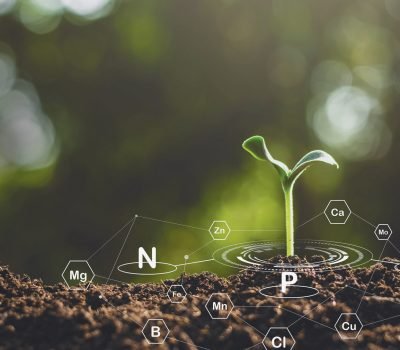
One of the standout benefits of hydroponics is the unparalleled control it offers over growing conditions. You can deliver nutrients directly to the roots in a precisely controlled solution, ensuring ideal availability and minimizing deficiencies or excesses. This method also allows you to maintain ideal temperatures, reducing the impact of external fluctuations and minimizing plant stress.
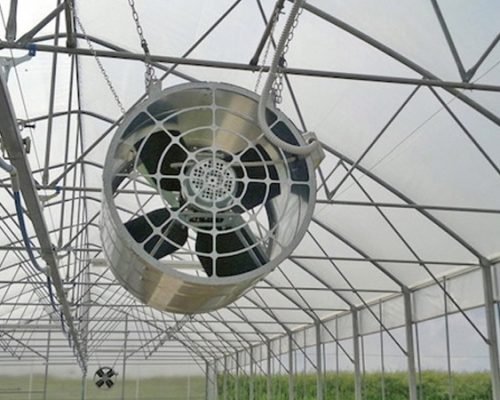
With hydroponics, you can easily monitor and adjust pH levels and control humidity, promoting healthier growth. You can optimize light exposure using artificial sources, ensuring your plants get consistent conditions year-round. Ultimately, this level of control creates a sterile environment, reducing the risk of soil-borne diseases and pests, which makes hydroponics a powerful option for dedicated growers like you.
Water Conservation: Hydroponics vs. Traditional Methods
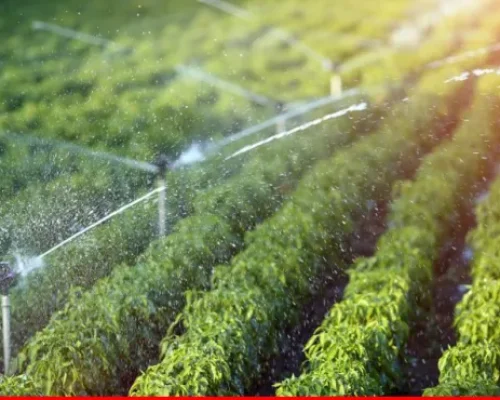
Hydroponics can drastically reduce water usage compared to traditional farming methods, making it an attractive option for sustainable agriculture. By recycling and reusing water, hydroponic systems conserve 90 to 95% more water than conventional practices. This efficiency is vital, especially in water-scarce regions.
- Uses only 20 L/kg/yr for lettuce versus 250 L/kg/yr in soil.
- Reduces water loss through evaporation and transpiration substantially.
- Employs closed reservoirs to minimize waste and runoff.
With these advantages, hydroponics supports efficient water use but also helps alleviate pressure on municipal and groundwater sources, making it a smart choice for future farming.
Yield Comparison: Which Method Produces More?
When comparing yields between hydroponics and soil, the advantages of hydroponics often stand out. Hydroponic systems can produce substantially higher yields per area and maintain consistency, thanks to controlled environments and precise nutrient delivery. On the other hand, soil methods generally struggle to match this efficiency, leading to lower overall productivity.
Hydroponic Yield Advantages
The advantages of hydroponic systems in terms of yield are striking, making them an appealing choice for modern agriculture. You can expect impressive results by optimizing nutrient delivery and controlling the growing environment. Hydroponic plants can yield up to 30% more than those grown in soil, thanks to denser spacing and multiple annual harvests.
- Faster growth cycles, with plants maturing 25% quicker.
- Significant water efficiency, using up to 98% less than traditional methods.
- Consistent year-round production, ensuring a steady income stream.
With these benefits, hydroponics maximizes space and resources and enhances your overall agricultural profitability.
Soil Yield Limitations
Soil cultivation presents notable limitations that can hinder yields compared to hydroponic methods. Constraints like sodicity, salinity, and alkalinity can severely limit root growth and reduce the available water capacity. These issues can affect nearly 54% of some areas, markedly reducing potential yields for crops like wheat and cotton. Additionally, soil texture and structure variations impact water retention and nutrient availability, leading to further yield inconsistencies. Poor management practices can exacerbate these problems, resulting in erosion or waterlogging. To achieve ideal yields, you need to understand these limitations and implement effective management strategies, such as judiciously improving soil structure and using fertilizers. This knowledge is vital for maximizing your crop production potential.
Nutritional Value: Hydroponics vs Soil-Grown Produce
Hydroponics and soil-grown produce can both offer impressive nutritional benefits, but their value often hinges on specific growing conditions and practices. Generally, plants create their vitamins, so you’ll find similar vitamin levels in both types. However, hydroponics can deliver higher essential nutrients and bioactive compounds.
- Hydroponic crops can be nutritionally superior due to precise nutrient control.
- Soil health and microbial activity play a vital role in the nutrient value of soil-grown vegetables.
- The time from harvest to consumption markedly affects nutrient retention in both methods.
Whether you choose hydroponics or soil, the key is to focus on consuming more vegetables for peak health. Both methods can yield nutritious, high-quality produce when managed well.
Pest and Disease Management in Hydroponics and Soil
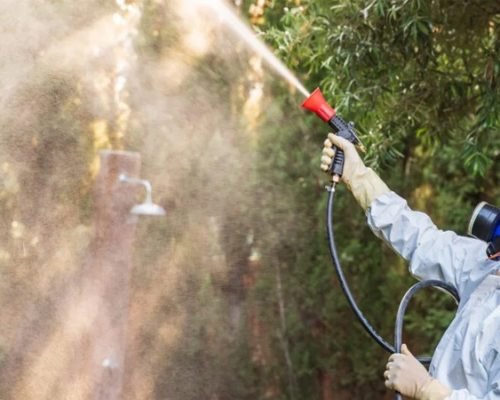
When managing pests and diseases, your approach will differ substantially between hydroponics and soil. You might rely on integrated pest management strategies in soil, while hydroponics allows for a cleaner environment that reduces pest issues. Understanding these pest resistance strategies and disease control methods is vital for maintaining healthy plants in both systems.
Pest Resistance Strategies
Effective pest resistance strategies are crucial for successful crop production, whether you’re growing in hydroponics or soil. You’ll want to adopt various methods to guarantee your plants thrive without pest interference.
- Sanitation Practices: Keep your growing area clean and remove any debris that could harbor pests.
- Physical Barriers: Use insect screens or nets to prevent pests from entering, and consider hydrogels around roots for added protection.
- Crop Rotation and Companion Planting: Rotate your crops to disrupt pest life cycles and plant pest-repellent companions to enhance biodiversity.
Disease Control Methods
How do you guarantee your plants stay healthy and disease-free, whether you’re growing in hydroponics or soil? Keep your system clean in hydroponics by removing diseased plants and regularly sanitizing surfaces. Use yellow sticky traps to monitor for pests and sterilize your nutrient solution with UV or chlorine. Control humidity and maintain ideal conditions to reduce stress on your plants.
In soil, focus on soil health by adding organic matter and rotating crops to break disease cycles. Certify proper spacing between plants and avoid overwatering to prevent root rot. Employ beneficial insects and microbial inoculants to combat pests naturally. By implementing these strategies, you can effectively manage disease risks in both growing methods.
Cost Considerations: Initial Investment and Long-Term Benefits
The cost considerations for hydroponics and soil growing can substantially impact your decision on which method to pursue. Hydroponics requires a higher initial investment, with system costs ranging from $50 to several thousand, plus the costs of grow lights, nutrient solutions, and various equipment. However, it offers long-term benefits like higher yields and water efficiency. On the other hand, soil growing tends to have lower initial costs but ongoing expenses for fertilizers and irrigation.
- Hydroponics: Higher initial costs, but more efficient in the long run.
- Soil: Lower startup costs, but ongoing maintenance can add up.
- Long-Term Benefits: When deciding, consider yield potential, water use, and space efficiency.
Frequently Asked Questions
Can Hydroponics Be Used for All Types of Plants?
Think of hydroponics as a tailored suit for plants; it fits some beautifully while others need a different design. You can’t grow every plant in it—some prefer the embrace of soil.
What are the common challenges faced by hydroponic systems?
You’ll face challenges like clogged tubing, excessive root growth, and pump failures in hydroponic systems. Regular maintenance, monitoring, and sanitation practices ensure your plants thrive and your system runs smoothly.
How Does Hydroponics Affect the Flavor of Produce?
You won’t believe how much flavor hydroponics can pack into your produce! By controlling nutrients and pH levels precisely, you enhance taste and consistency, making your greens burst with flavor like never before. It’s a game-changer!
Are There Any Specific Pests That Target Hydroponic Systems?
Hydroponic systems can attract pests like aphids, whiteflies, and spider mites. You must implement preventative measures and maintain hygiene to keep these pests at bay and guarantee healthy plant growth.
What Is the Lifespan of Hydroponic Systems and Equipment?
Like a carefully tuned orchestra, your hydroponic system needs regular upkeep. Water pumps last 2-5 years, grow lights 1-3 years. With diligent maintenance, you can enjoy bountiful harvests while extending your equipment’s lifespan.
Conclusion
Each method has its unique charm in the showdown of hydroponics vs soil, like two different melodies. Hydroponics dances quickly and precisely, while soil offers a comforting, earthy embrace. Your choice hinges on what you value most—rapid growth or traditional roots. Regardless of your path, both can yield bountiful harvests that nourish body and soul. So, whether diving into the future or planting in history, remember, it’s all about the journey and the joy of growing.