
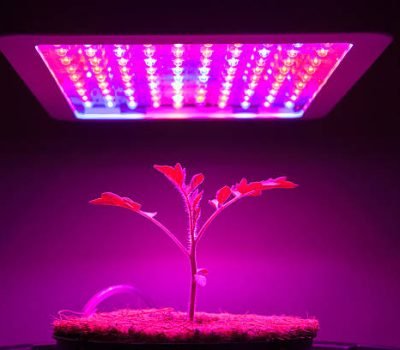
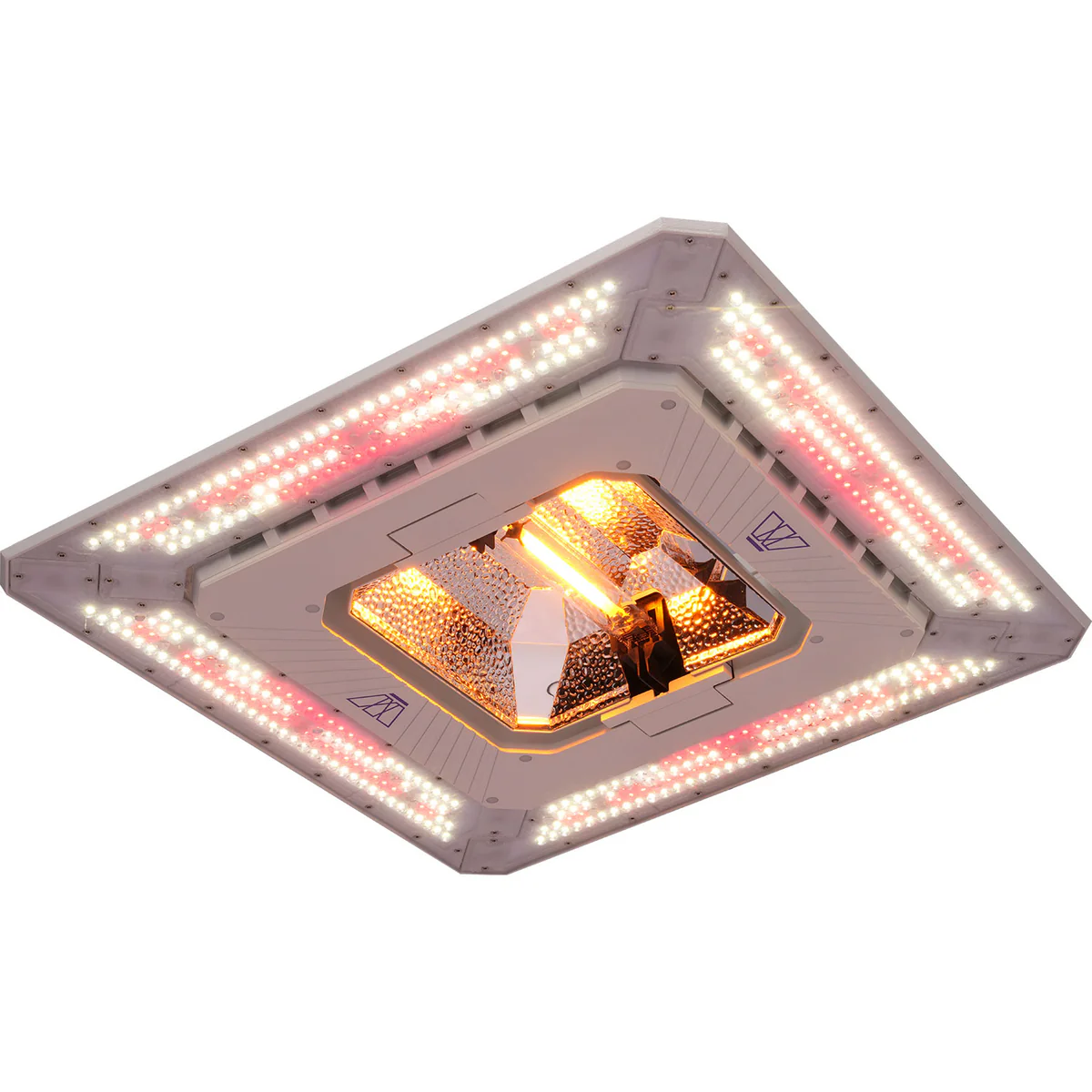
LED grow lights are energy-efficient lighting fixtures that use semiconductor diodes to produce full-spectrum, plant-usable light known as PAR (Photosynthetically Active Radiation) for indoor growing. Compared to HPS and CDM lighting, LED grow lights consume significantly less electricity while delivering a higher PPFD (light intensity at the canopy), making them the standard choice for modern indoor cultivation.
At Hydro Land, we stock a complete range of LED grow lights from Sanlight, Maxibright, Botanix, Secret Jardin, BudBox, Super Lumen, and SunKing Elite covering every stage of the grow cycle, from low-wattage propagation panels to high-output 1000W+ commercial fixtures for large grow tents. Every LED grow light we sell is CE-marked and PPFD-tested, so you can choose your fixture with full confidence in its real-world output, not just its marketed wattage.
Whether you’re growing in a compact 2x2ft tent or running a full commercial setup, our LED grow lights are matched to tent size, wattage draw, and spectrum helping you get consistent yields without overspending on power you don’t need.
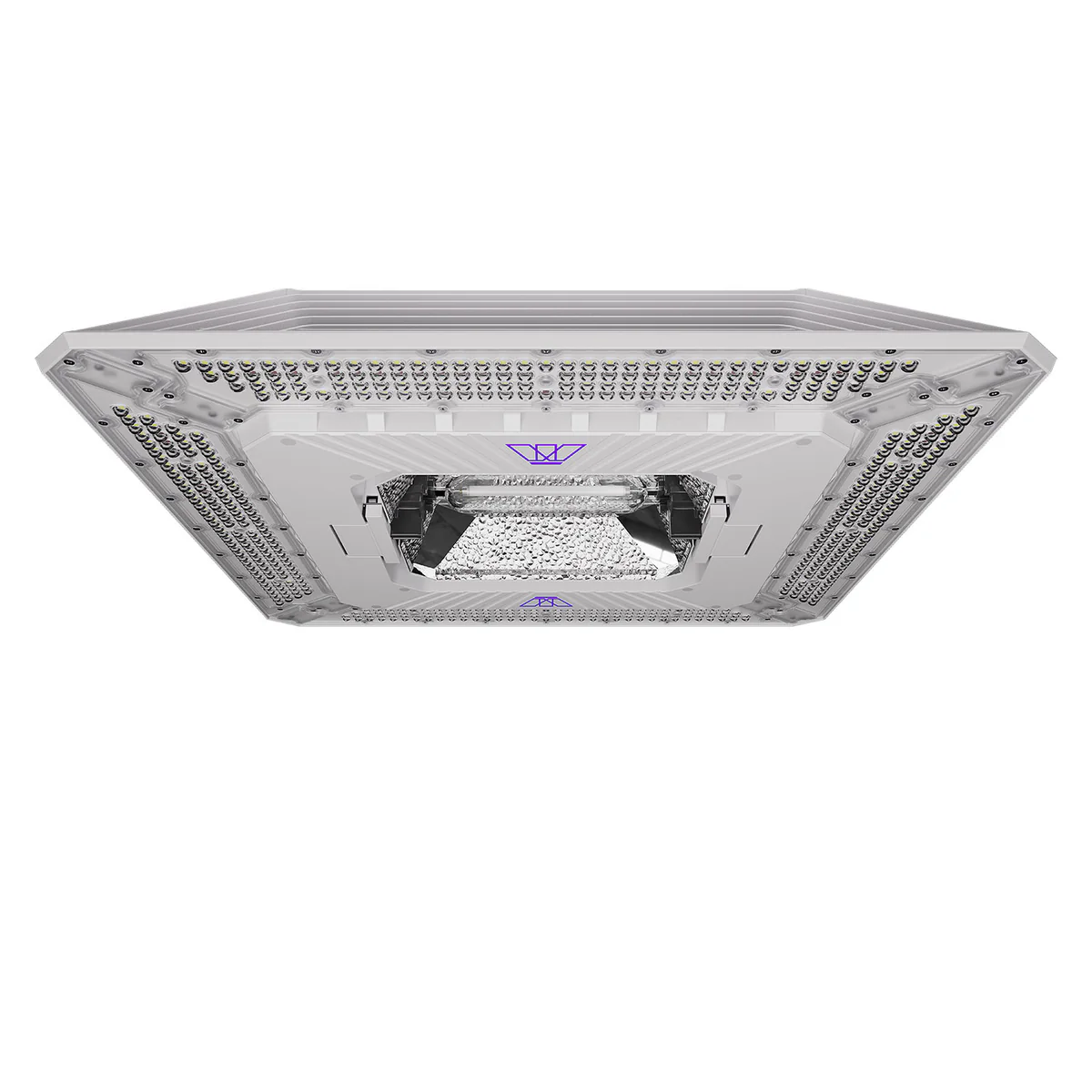
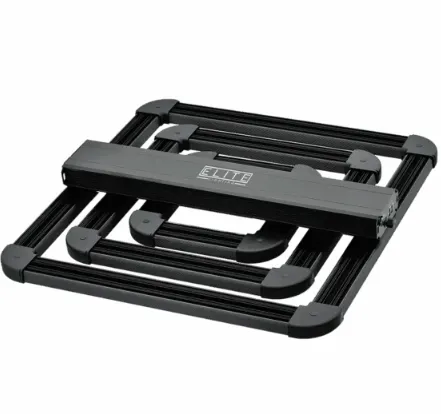
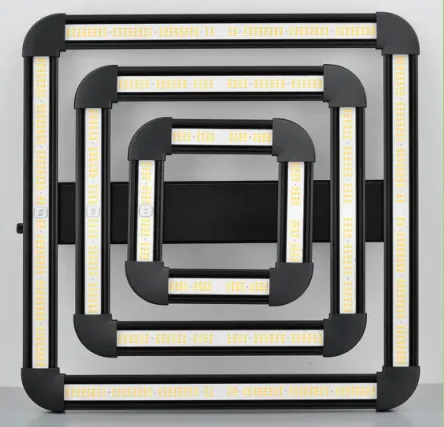
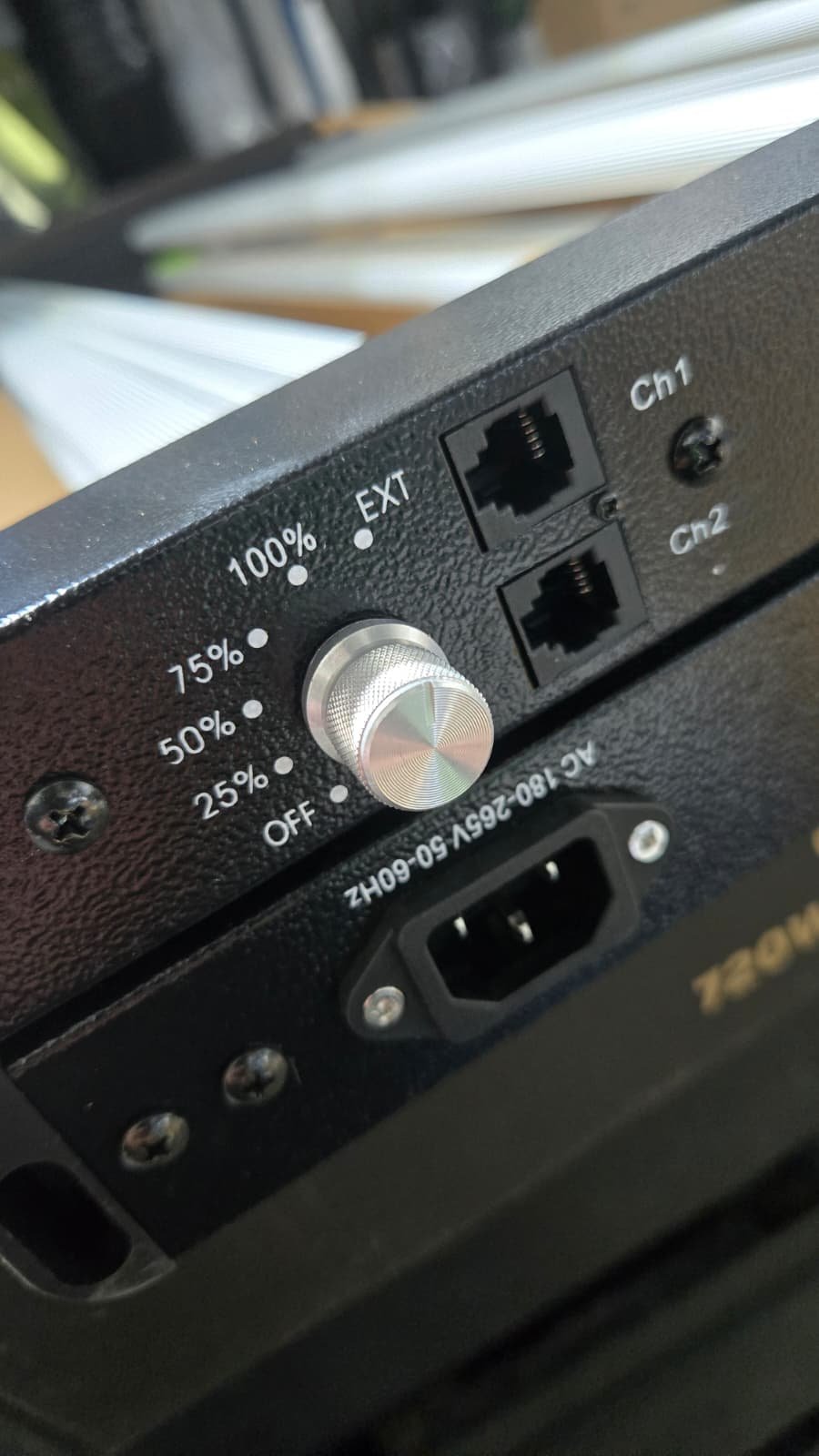
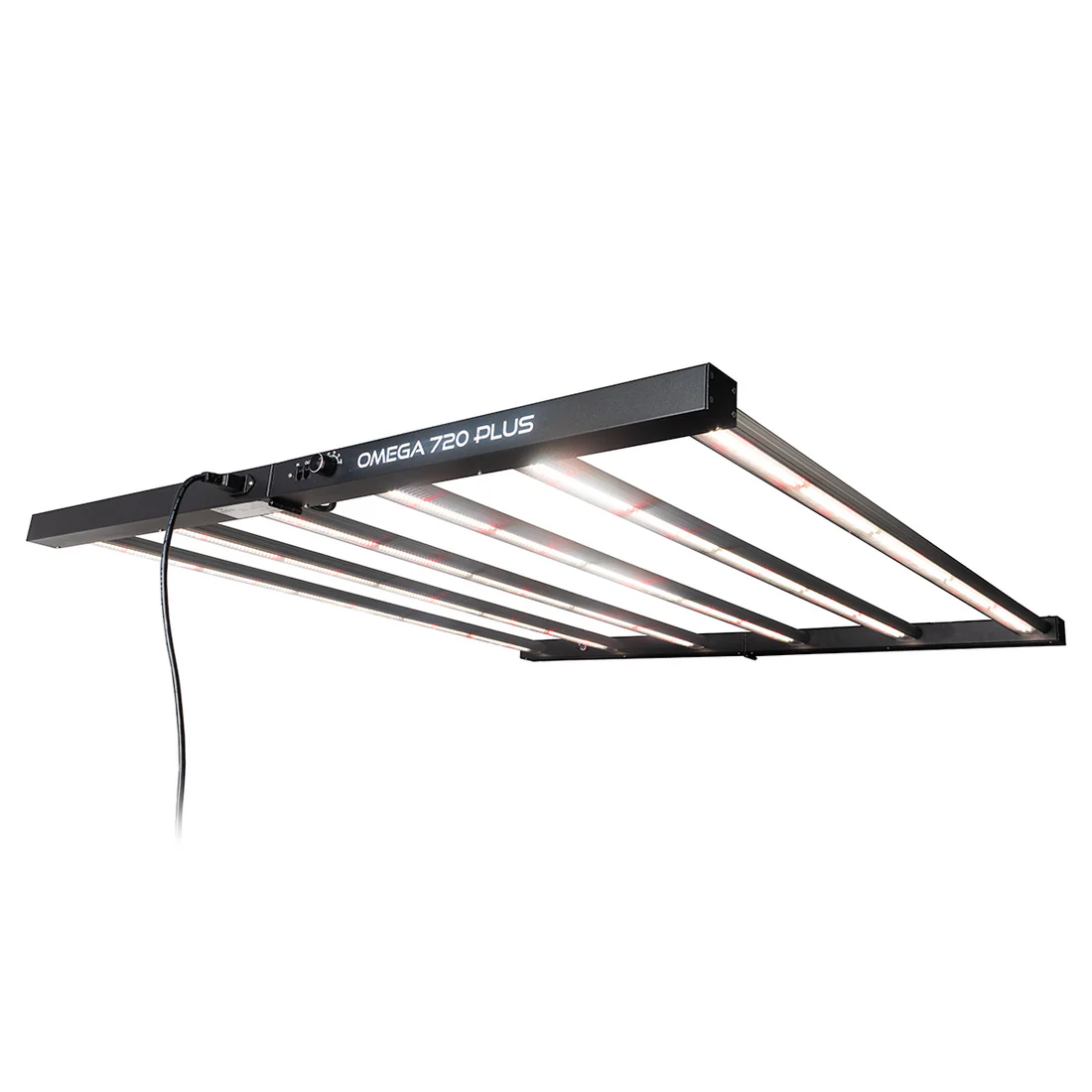

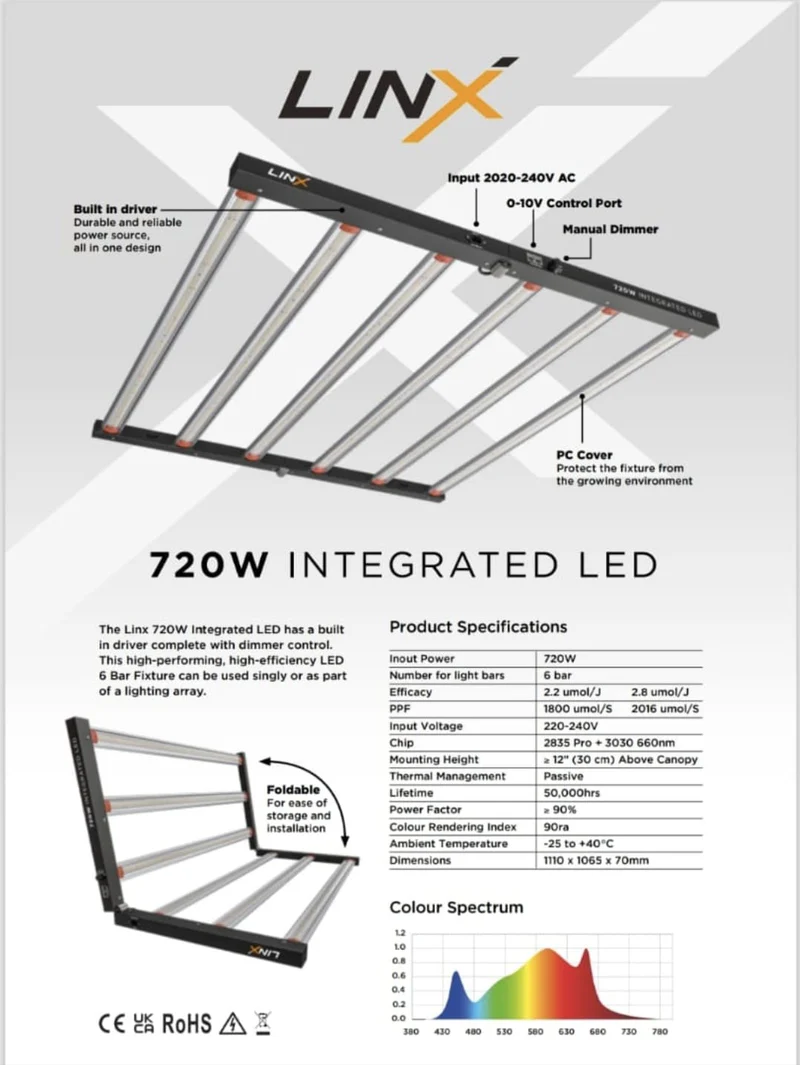
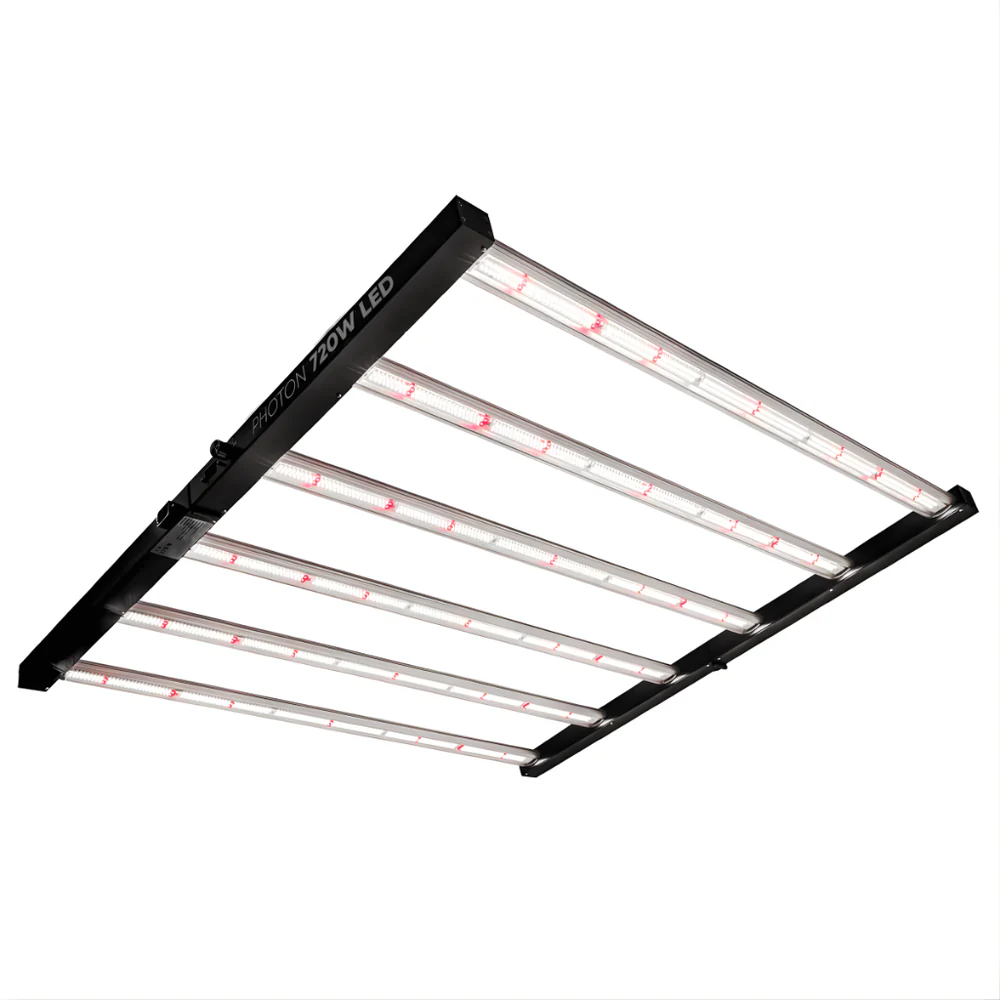
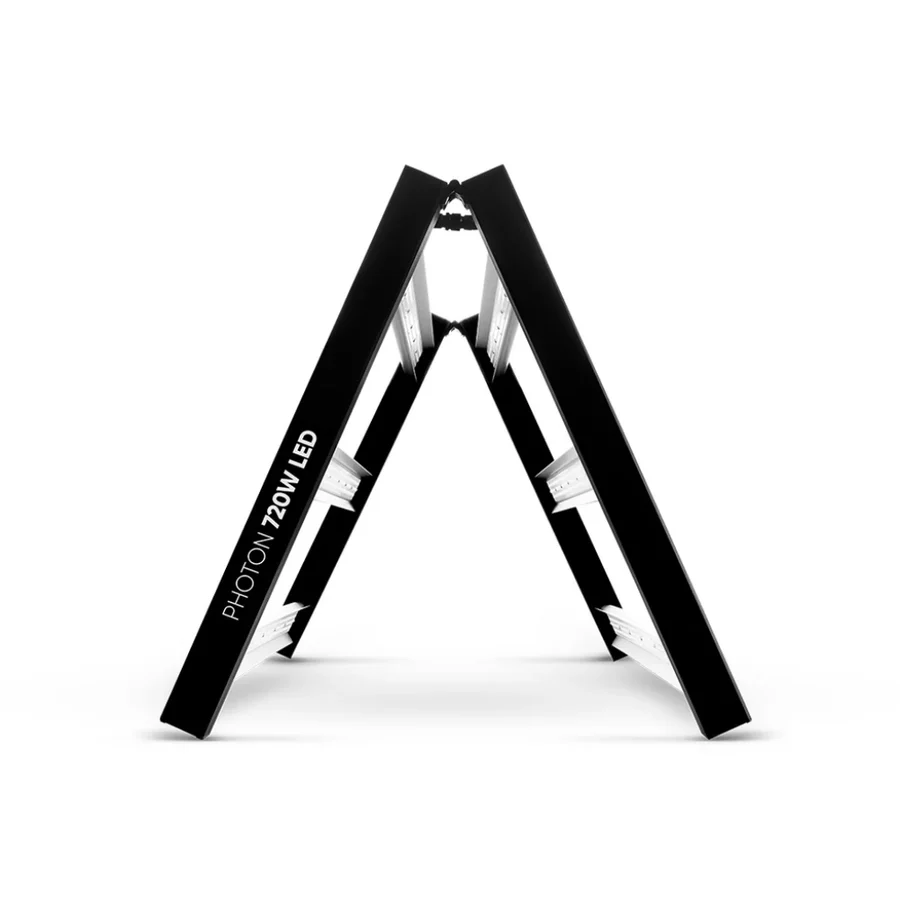


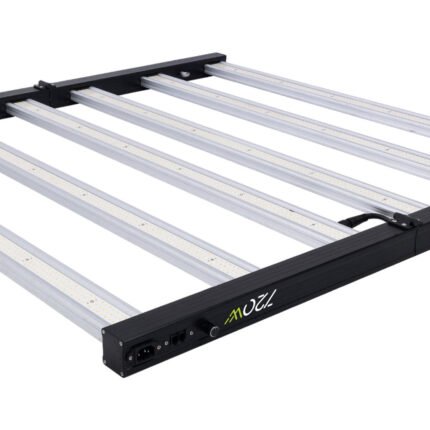

Shop LED Grow Lights by Grow Stage
Propagation-Stage LED Lighting
Propagation-stage LED grow lights are low-wattage, blue-heavy fixtures suited to seedlings and cuttings, which need gentle light without heat stress.
Vegetative-Stage LED Lighting
Vegetative-stage LED grow lights use a blue-rich spectrum to encourage compact, sturdy growth and reduce internodal stretching before flowering begins.
Flowering-Stage LED Lighting
Flowering-stage LED grow lights shift to a red-heavy full-spectrum output, driving bud and fruit development through the plant's final growth phase.
Full-Cycle LED Lighting
Full-cycle LED grow lights deliver a complete full-spectrum output, letting one fixture carry a plant from propagation through to harvest without switching lights.
How to Choose the Right LED Grow Light
Choosing the right LED grow light comes down to four factors: matching PPFD output to your grow tent size and growth stage, checking efficacy (µmol/J) rather than just wattage, picking full-spectrum or targeted-spectrum based on how you grow, and confirming the fixture's expected lifespan. Getting these four right means your plants get consistent, plant-usable light without overspending on power you don't need.
What is PAR, PPF and PPFD?
PAR (Photosynthetically Active Radiation) is the range of light wavelengths plants use for photosynthesis. PPF (Photosynthetic Photon Flux) measures the total light a fixture produces per second, in µmol/s. PPFD (Photosynthetic Photon Flux Density) measures how much of that light actually reaches your plant canopy, in µmol/m²/s — and it's the number that matters most when comparing fixtures, since two lights with identical PPF can deliver very different PPFD depending on distance and spread.
How Many Watts Do I Need for My Grow Tent?
The right wattage depends on your tent size and growth stage, since flowering plants need roughly double the light intensity of propagation. Always check a fixture's true wall-draw wattage, not its "equivalent" marketed wattage.
For a 2x2 ft tent, look for 50–100W during propagation and vegetative growth, rising to 100–150W once plants move into flower. A 3x3 ft tent typically needs 100–150W for propagation/veg and 200–300W for flowering. Step up to a 4x4 ft tent and you're looking at 150–250W for propagation/veg, increasing to 300–450W for flowering. For larger 5x5 ft setups, budget 250–350W during propagation/veg and 450–650W once plants reach the flowering stage.
As a general rule, plan your wattage around the flowering stage even if you're buying for propagation now — it's the higher-demand phase, and sizing for it from the start avoids having to upgrade your fixture later.
Wattage vs Efficacy — What Actually Matters?
Wattage only tells you how much electricity a light draws, not how much usable light it delivers to your plants. Efficacy, measured in µmol/J, shows how many usable photons a fixture produces per watt — so a lower-wattage light with higher efficacy can outperform a "bigger" light while costing less to run. When comparing two LED grow lights, always check efficacy before wattage.
Full-Spectrum vs Targeted-Spectrum LEDs — Which Do I Need?
Full-spectrum LEDs replicate the broad range of natural sunlight and support a plant through every growth stage in one fixture. Targeted-spectrum LEDs concentrate output in specific wavelengths — typically blue for vegetative growth or red for flowering — and suit growers running separate lights per stage. Most home and hobby growers get better long-term value from a full-spectrum fixture, since it removes the need to switch lights between stages.
How Long Do LED Grow Lights Last?
LED grow lights typically last 50,000+ hours with minimal drop in output, compared to an HPS bulb, which needs replacing every 9–12 months as it degrades. Since every 1% of light lost translates to roughly 1% lost yield, an LED's stable long-term output makes it the more reliable choice for consistent harvests over time.
LED vs HPS and CDM Grow Lights
LED grow lights outperform HPS and CDM on running costs, heat output, and lifespan, making them the better choice for most indoor growers. HPS still delivers strong, low-cost yields for growers focused purely on the flowering stage, while CDM's extra heat output can be an advantage in cold grow rooms during winter. If you're weighing up alternatives, see our HPS Grow Lights and CDM Grow Lights ranges.
Why Buy LED Grow Lights from Hydro Land
Hydro Land is a UK-based hydroponic centre built on direct relationships with the manufacturers behind the brands we stock Sanlight, Maxibright, Botanix, Secret Jardin, BudBox, Super Lumen, and SunKing Elite among them. That direct line to source means every LED grow light on our shelves is genuine, correctly specified stock, not a grey-market import with an uncertain history or an unverifiable warranty.
Every fixture we sell is CE-marked, giving you the regulatory assurance that it's been tested and certified for safe use in a UK grow room. Beyond compliance, our technical support team brings real hands-on knowledge of PPFD output, spectrum selection, and tent sizing, so you're not left guessing which wattage suits your setup — you can speak to someone who can actually work through it with you before you commit to a purchase.
Once you've ordered, your fixture is dispatched quickly and discreetly, arriving in plain, unbranded packaging with tracked delivery — because how you grow is your business, not ours. And if a question comes up after delivery, you're dealing with a UK-based team who'll actually pick up the phone, not an overseas seller who disappears once the sale is made.
Frequently Asked Questions
What is PAR and why does it matter for LED grow lights?
It matters because a grow light's real value lies in how much PAR it delivers to your plants, not its wattage or brightness to the human eye.
How many watts do I need for a 4x4 tent?
A 4x4 ft grow tent typically needs an LED grow light with a true wall-draw wattage of 150–250W during propagation and vegetative growth, rising to 300–450W once plants move into the flowering stage.
Can one LED light cover propagation, veg and flower?
Yes. A full-spectrum LED grow light delivers the complete range of wavelengths needed for propagation, vegetative growth, and flowering, letting one fixture carry a plant through its entire life cycle without switching lights.
How long do LED grow lights last?
LED grow lights typically last 50,000 or more hours with minimal drop in output. This is significantly longer than an HPS bulb, which needs replacing every 9–12 months as its intensity degrades.
Are LED grow lights cheaper to run than HPS?
Yes. LED grow lights consume less electricity than HPS for the same light output, and since they rarely need bulb replacements, their overall running costs are lower over the life of the fixture.