


Fungus Gnat & Sciarid Fly Control
Fungus gnats, also called sciarid flies, are small dark flies that breed in moist growing media and lay eggs that hatch into root-feeding larvae. They’re identified by weak, hovering flight around the base of plants rather than around fruit or produce. This category stocks sprays, media drenches and biological predators to treat both the adult flies and the larvae feeding in the media. Every product is selected by our team and stocked in the UK for fast dispatch.
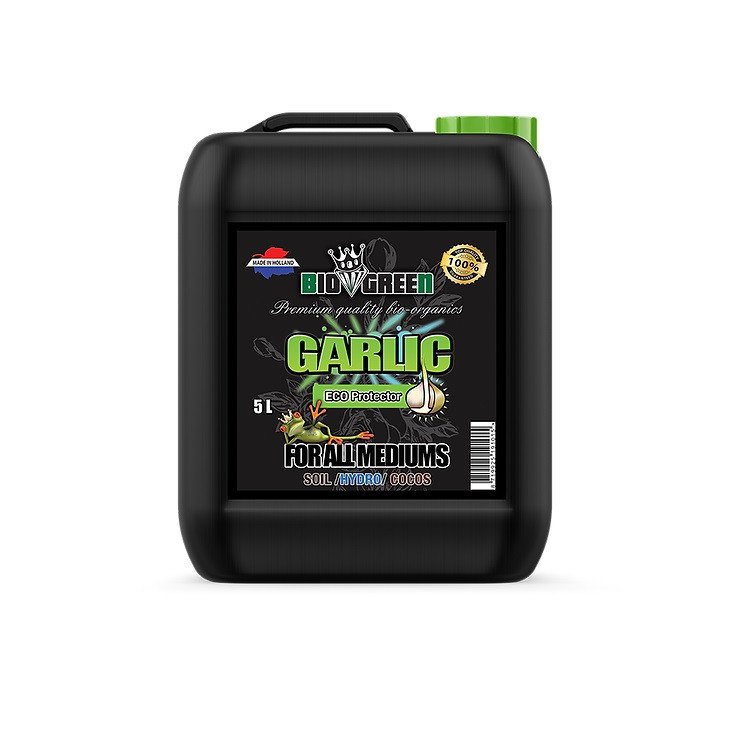
BioGreen Garlic 1L & 5L multiple sizes
Price range: £30.13 through £125.28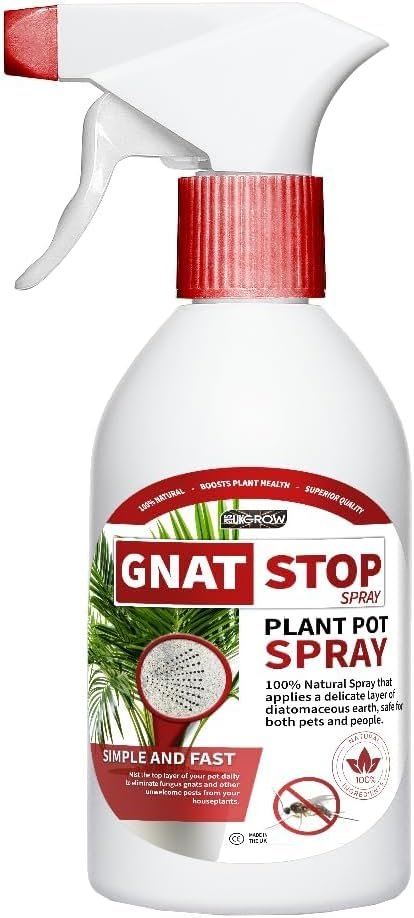
Spray2grow Gnat Off 500ml & 5L
Price range: £40.00 through £330.00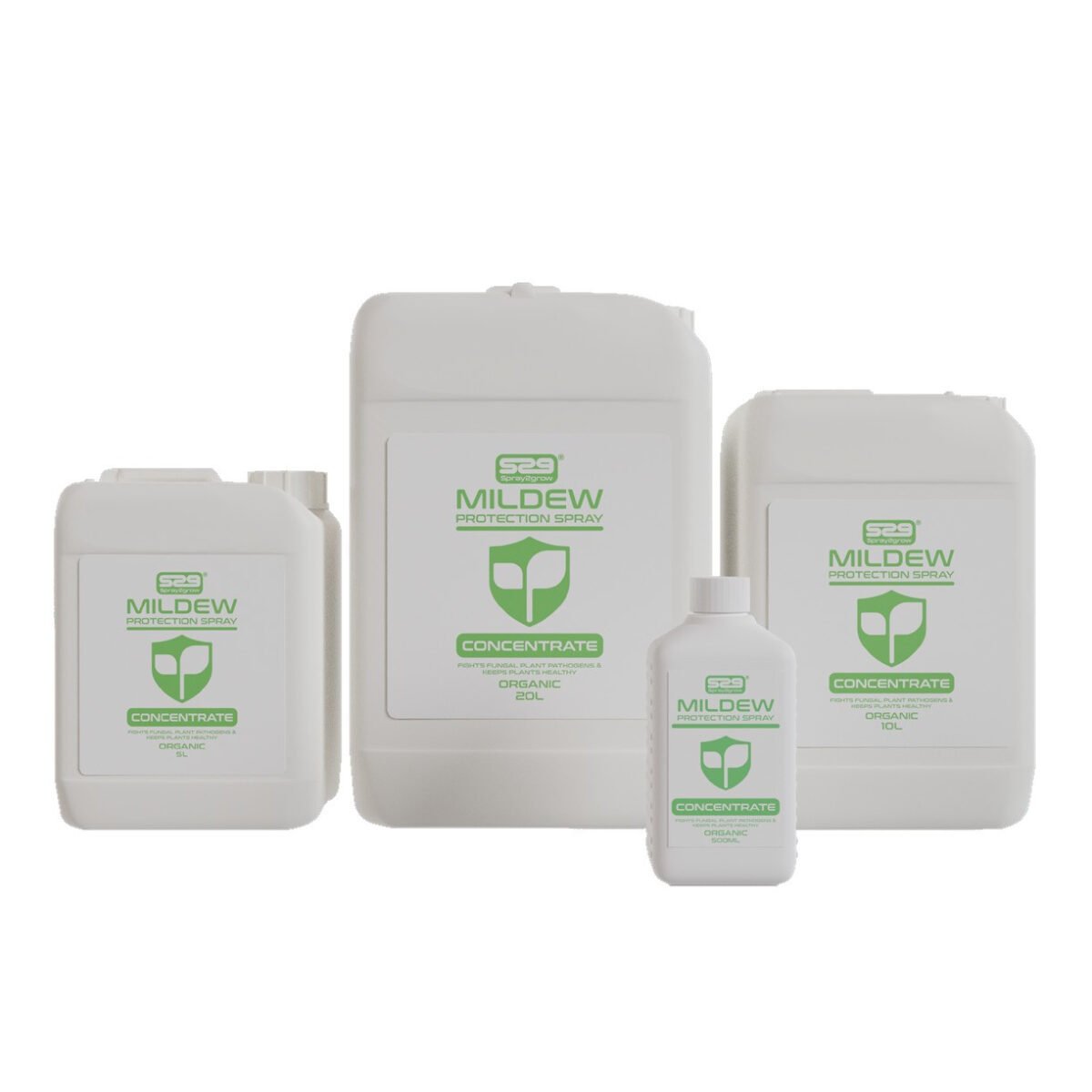
Spray2grow Concentrate MILDEW Protection Spray available in multiple sizes- 500ml & 5L
Price range: £40.00 through £320.00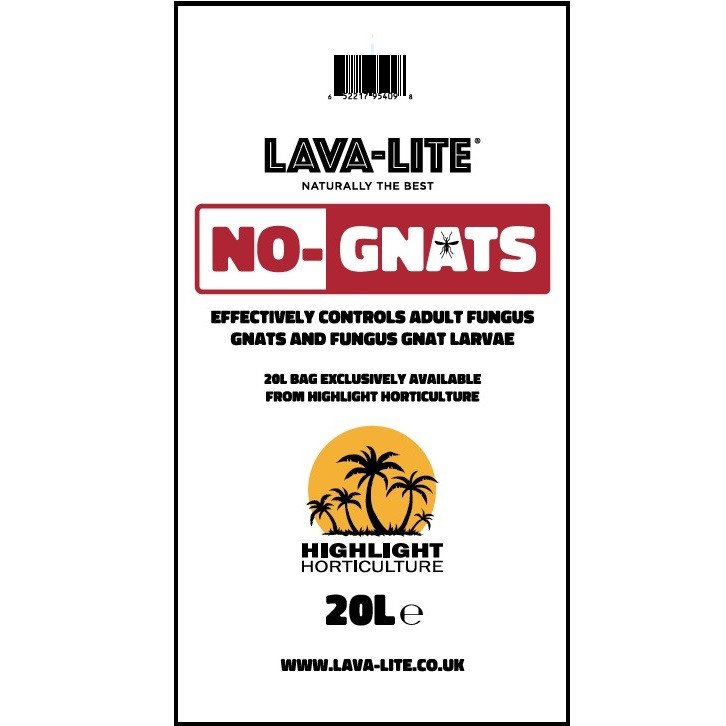

Lava-Lite No-Gnats multiple sizes available – 1 Litre, 3Litre, & 20Litres
Price range: £8.99 through £89.00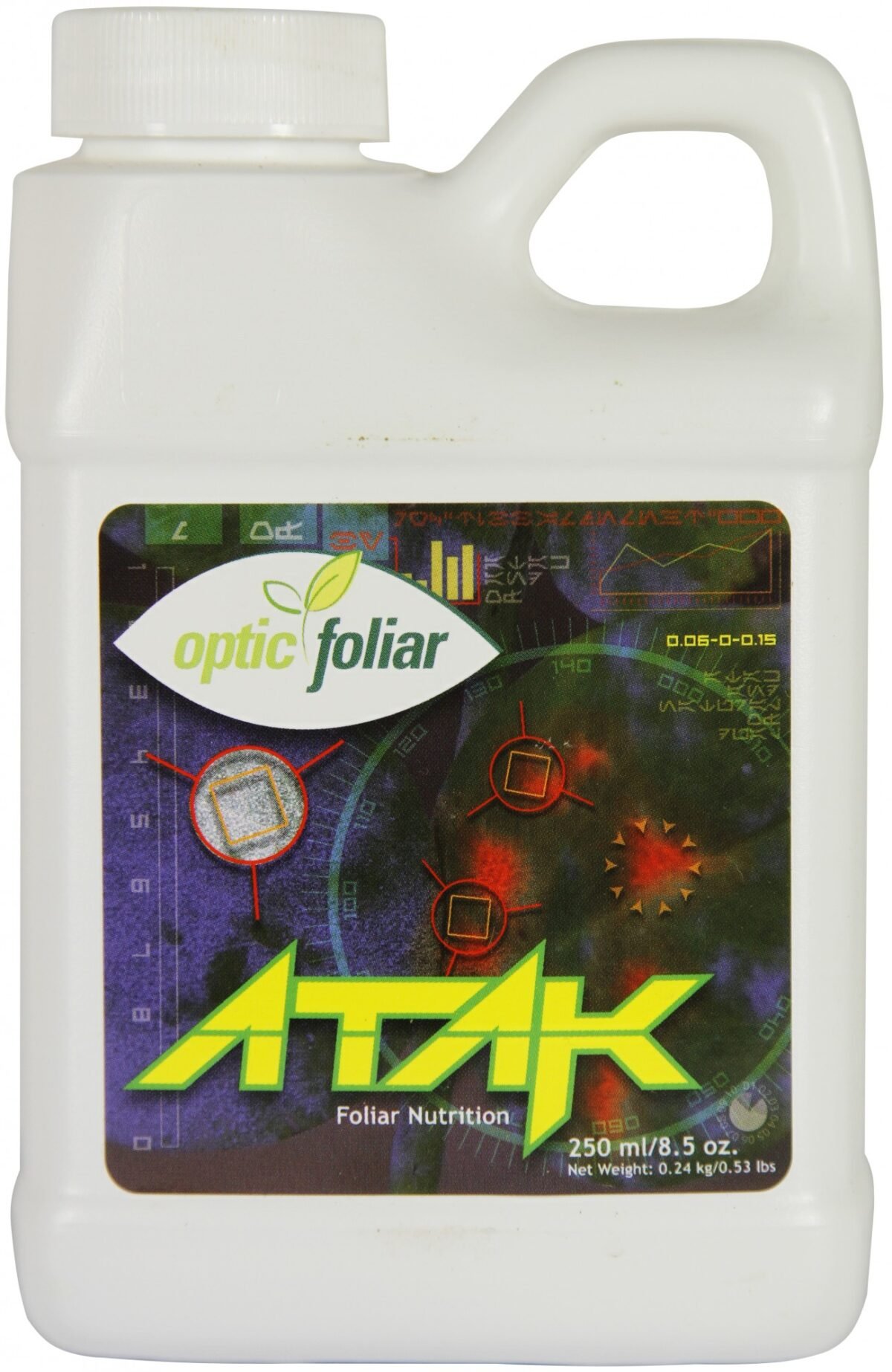
Optic Foliar Atak multiple sizes available 250ml & 1L (RTU)
Price range: £14.95 through £15.95

Thrip Predators (Amblyseius Cucumeris)
Price range: £0.99 through £59.99


Athena IPW
How Do You Get Rid of Fungus Gnats?
Fungus gnats are treated by targeting both stages of their life cycle: a spray or drench to kill existing adults and larvae, and allowing growing media to dry between waterings so eggs can't hatch. Most infestations are brought under control within one to two treatment cycles.
What's the Difference Between a Fungus Gnat and a Fruit Fly?
Fungus gnats stay close to the growing medium and feed on organic matter and roots, while fruit flies are drawn to ripening fruit and food waste. If the flies are concentrated around soil or media rather than the kitchen, they're fungus gnats.
Should I Use a Spray, a Drench, or a Biological Predator?
- Spray treatments kill adult gnats and surface larvae on contact the fastest option for an active infestation.
- Media drenches are poured into the growing media itself, treating larvae at the source rather than adults on the surface.
- Biological predators are live predator insects introduced into the media that hunt larvae directly, with no chemical residue a fit for growers treating edible crops.
Are Fungus Gnats Harmful to My Plants?
Adult fungus gnats are mostly a nuisance, but their larvae feed on fine roots and can slow growth or damage young, vulnerable plants. Established plants with strong root systems tolerate a small population better than seedlings or fresh cuttings.
How Do I Stop Fungus Gnats Coming Back?
Fungus gnats need consistently moist media to breed, so allowing the surface to dry between waterings is the single most effective prevention step. Inspecting new plants and growing media before bringing them into a grow space also stops infestations starting in the first place.
Shop by Treatment Type
- Sprays & RTU Treatments: direct treatment of adult gnats and surface larvae
- Media Drenches : treats larvae at the root zone
- Biological / Live Predators : chemical-free larvae control
- Preventative & Repellent Products : stops infestations establishing
FAQs
How do I know if I have fungus gnats?
Look for small, dark flies hovering weakly around the soil or growing media rather than around fruit or food.
Are fungus gnats harmful to my plants?
Adults are mostly a nuisance, but larvae feed on fine roots and can slow growth in young or newly rooted plants.
What's the difference between fungus gnats and fruit flies?
Fungus gnats stay near growing media and feed on roots; fruit flies gather around ripening fruit and food waste.
Should I use a spray or a drench for fungus gnats?
A spray treats adult flies fast; a drench targets larvae at the root zone for longer-term control.
Can biological predators fully replace chemical treatments?
Yes, for most infestations predator insects control larvae effectively without chemical residue, though heavy infestations may need a spray first.
How long does it take to get rid of fungus gnats?
Most infestations clear within one to two treatment cycles, provided growing media is allowed to dry between waterings.