


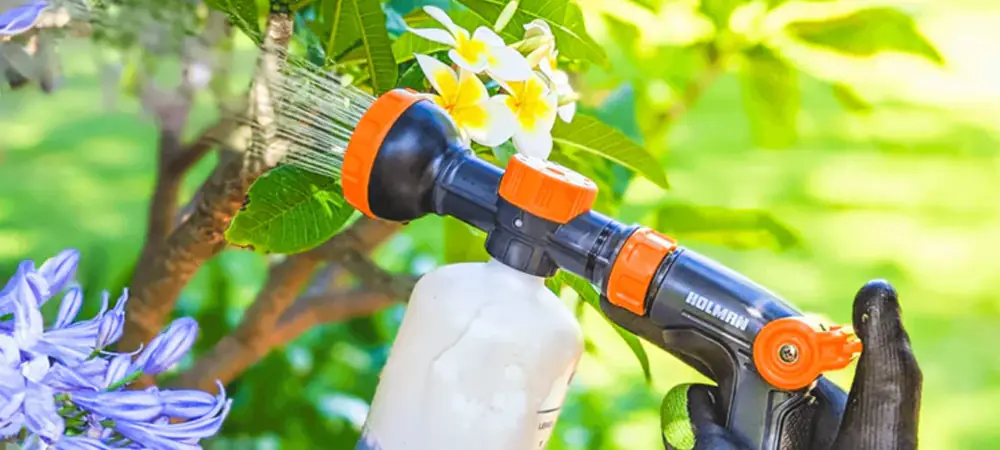
Spray Bottles / Spray Guns
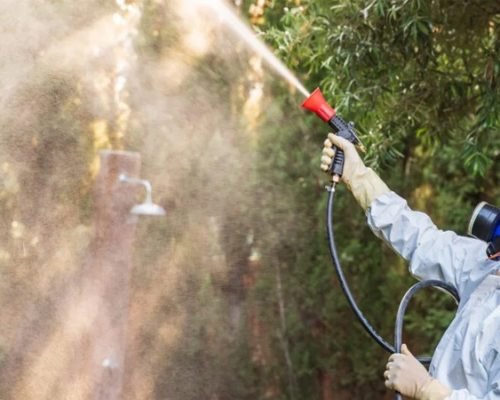
Quality spray equipment ensures effective pesticide application. Adjustable nozzles control droplet size and spray patterns, reaching leaf undersides where pests hide. Pressurized sprayers deliver consistent coverage for large areas, while ergonomic designs reduce fatigue. Chemical-resistant materials withstand harsh pesticides, and calibrated measurements help maintain proper dilution. Small-scale spray bottles handle spot treatments; spray guns cover larger operations efficiently. Proper maintenance and cleaning prevent cross-contamination and ensure long-term performance.
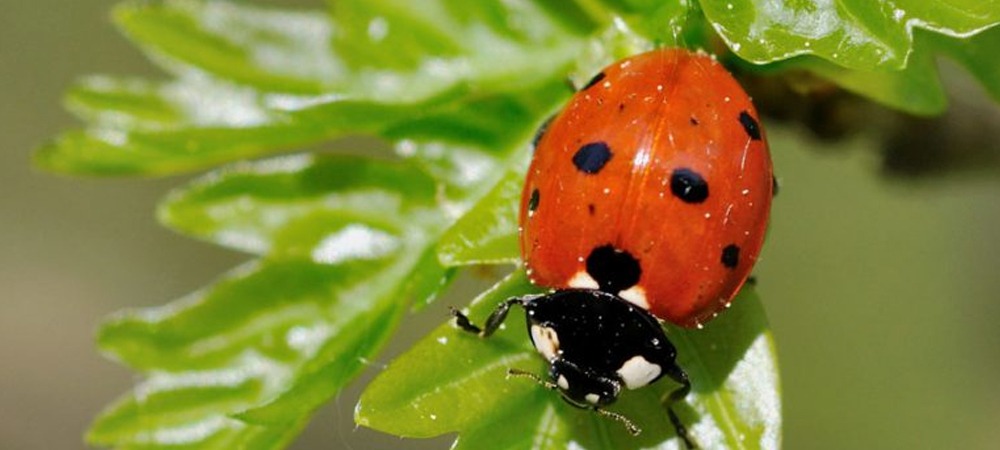
Live Predators – Biological Pest Control
Beneficial insects provide sustainable, chemical-free pest management. Ladybugs target aphids and mites, predatory mites attack spider mites and thrips, and parasitic wasps prevent future pest generations. Biological controls integrate with organic systems, establishing ongoing pest suppression without repeated chemical applications. Success depends on environmental conditions, timing, and population support. Introduced early, predators reduce infestations and chemical residues, offering environmentally responsible pest management.
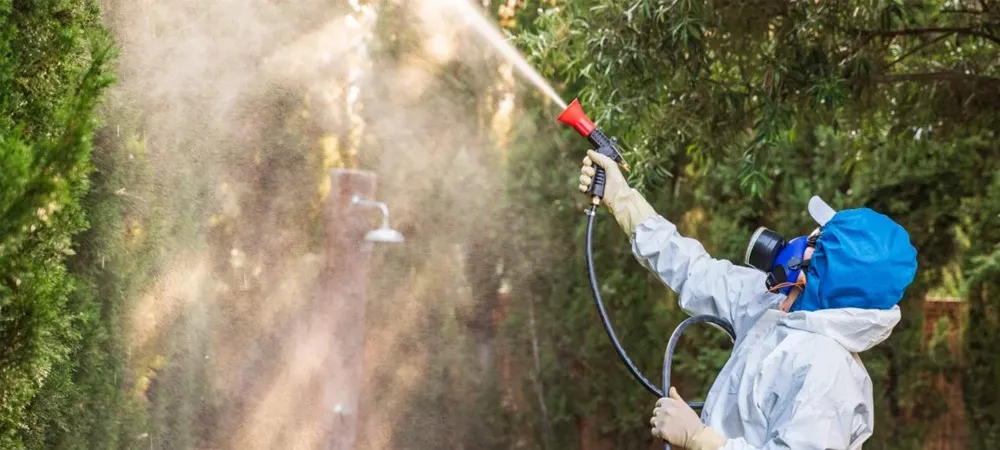
General Pest Control
Broad-spectrum pest control products address multiple pests simultaneously. Effective through contact, ingestion, or systemic uptake, these products are convenient for mixed infestations. Methods include foliar sprays, soil drenches, and granules. Rotating active ingredients prevents resistance, while careful timing and application ensure effectiveness. Labels specify crops, rates, and safety intervals. General pest controls balance efficiency and safety and serve as essential tools in integrated management programs.
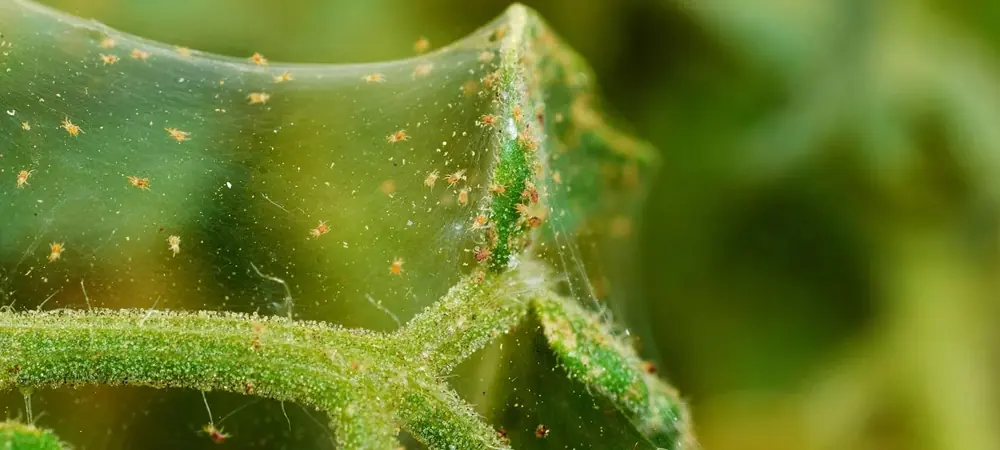
Spider Mite Control
Spider mites reproduce rapidly under warm, dry conditions, feeding on plant sap and causing leaf damage. Specialized miticides target mite-specific processes, while thorough coverage ensures effectiveness. Biological controls like predatory mites provide chemical-free alternatives. Environmental manipulation, including humidity increases, reduces reproduction. Monitoring, sanitation, and preventive measures are critical, as early detection and persistent management protect plant health and yield quality.
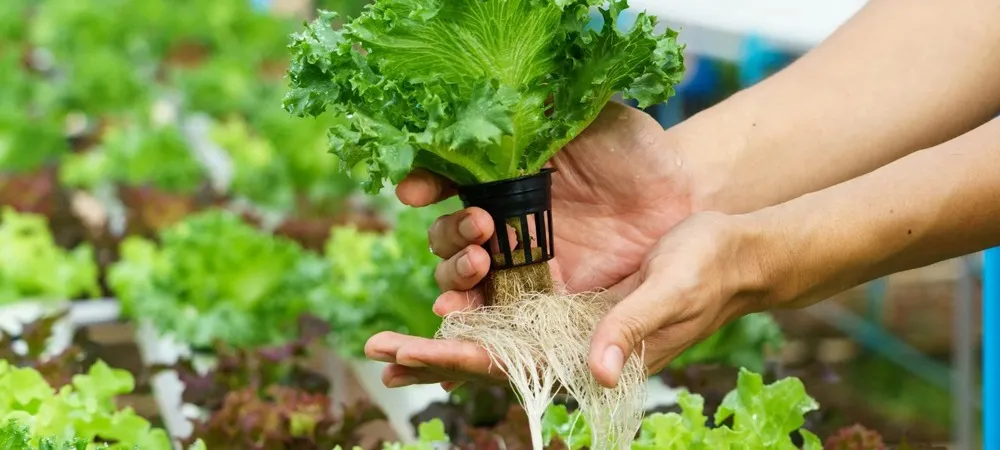
Root Disease Control
Healthy roots are critical for plant growth. Pathogens like Pythium, Fusarium, and Rhizoctonia attack roots, reducing nutrient and water uptake. Prevention through sanitation and sterilized media is more effective than treatment. Beneficial microorganisms competitively exclude pathogens. Proper watering, drainage, environmental management, and resistant varieties reduce disease risk. Early detection and intervention, combined with fungicides or biological agents, support recovery and maintain plant productivity.
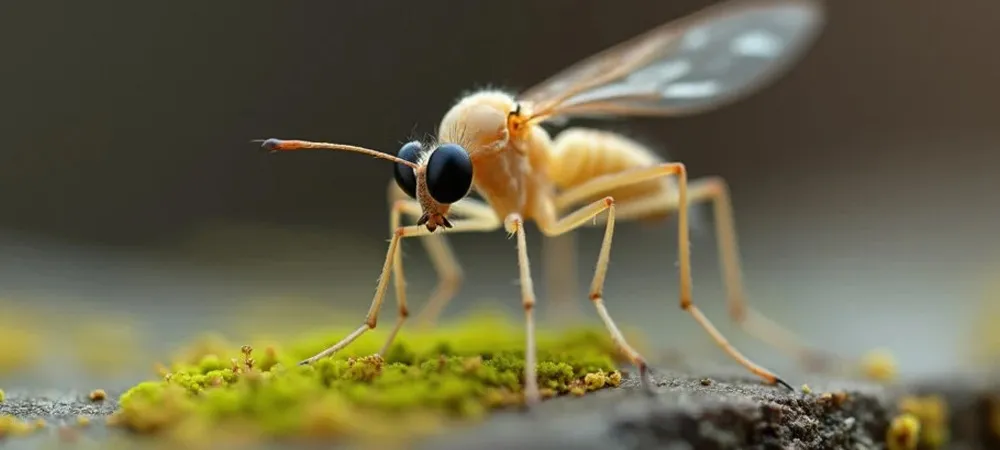
Sciarid Fly / Fungus Gnat Control
Fungus gnats thrive in moist, organic-rich media. Larvae damage roots and open pathways for disease. Control strategies include yellow sticky traps, predatory nematodes, beneficial bacteria, and chemical larvicides. Allowing media to dry, covering surfaces with sand, and sanitation reduce breeding sites. Integrated approaches combining multiple tactics provide the most effective long-term control.

Leaf & Flower Mold / Rot Control
Mold and rot, caused by fungi like Botrytis and powdery mildew, thrive in high humidity and dense canopies. Preventive measures include environmental control, airflow improvement, proper plant spacing, and humidity management. Fungicides, UV light, sulfur-based products, and proper drying further reduce risk. Early intervention and consistent monitoring protect flowers and leaves from widespread infection.

Thrip Control
Thrips damage plants through feeding and disease transmission, leaving silvery streaks and distorted growth. Blue and yellow sticky traps monitor populations. Biological predators, spinosad, neem oil, and systemic insecticides target different life stages. Thorough coverage and multiple applications, combined with quarantine of new plants, ensure effective thrip management. Integrated programs combining monitoring, biological, and chemical tactics provide sustainable suppression.

Sanitation
Sanitation forms the foundation of pest and disease management. Cleaning growing areas, removing dead plant material, sterilizing tools, and maintaining equipment hygiene prevent pest and pathogen spread. Footbaths, clothing changes, air filtration, and waste management reduce contamination. Quarantine new plants and track schedules to maintain consistent practices. Preventive sanitation is more effective and less costly than managing established problems, ensuring healthier crops and long-term production success.