

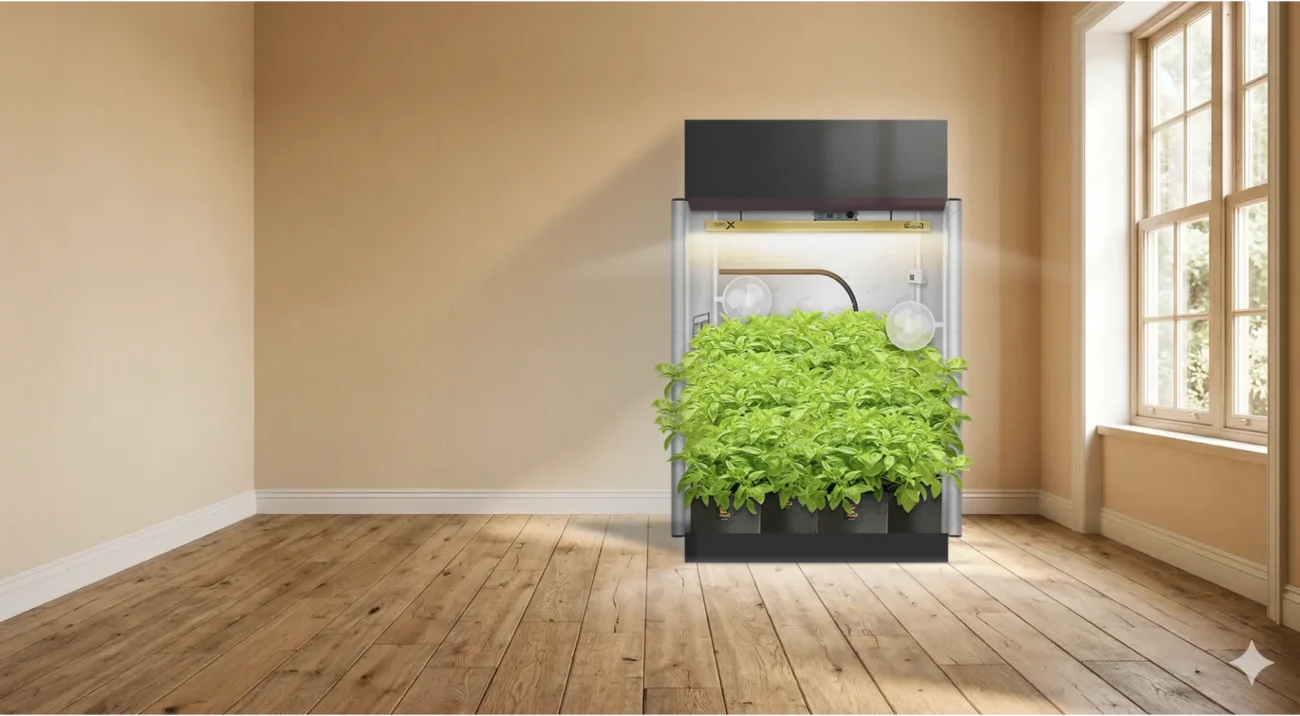
A grow room needs six core components: a tent or dedicated space, grow lighting, ventilation and extraction, environment control, a growing medium with containers, and nutrients. First-time growers start with an 80x80cm tent, which balances manageable space against enough room for two to four plants.
Key Takeaways
- A beginner grow room needs six core components: tent, lighting, ventilation, environment control, growing medium, and nutrients.
- An 80x80cm tent suits two to four plants, giving new growers enough room without overwhelming a small space.
- Ventilation sizing matters more than most beginners expect, since an undersized fan causes heat and humidity problems that no other component can fix afterward.
- A complete beginner setup costs between £300 and £800, depending on light wattage and build quality.
What Do You Need for a Grow Room? The 6 Core Components
A grow room needs six components working together: a contained space, a light source, air movement, climate control, a growing medium, and a feeding schedule. Each component depends on the others, so undersizing or skipping one creates problems across the whole system rather than staying isolated to that single part.
- Choose a grow tent or dedicated space sized to the number of plants planned.
- Select a grow light matched to that space’s square footage.
- Install ventilation and extraction to manage heat, humidity, and airflow.
- Add environment control tools to monitor and adjust temperature and humidity.
- Pick a growing medium and containers suited to the chosen growing method.
- Plan a nutrient and feeding schedule matched to that growing medium.
Step 1 — Choosing Your Grow Tent or Space
A grow tent creates a controlled, light-sealed environment that isolates temperature, humidity, and airflow from the rest of a home. This isolation gives beginners consistent conditions without relying on a spare room’s existing climate.
Tent Sizing for Beginners (60×60, 80×80, 100×100)
A 60x60cm tent suits one to two plants and fits small spaces like a closet or corner. An 80x80cm tent suits two to four plants, giving beginners enough room to learn plant training without outgrowing the space quickly. A 100x100cm tent suits four to six plants and demands stronger ventilation and lighting to match the larger footprint. Beginners choose the 80x80cm size most often, since it balances plant count against equipment cost and available floor space.
Tent vs Converting a Cupboard or Room
A dedicated tent seals light and controls airflow through built-in vents, ducting ports, and reflective interior lining, features a converted cupboard or room lacks by default. Converting an existing space demands extra work: blackout material for light-sealing, added insulation for temperature stability, and manual ducting for extraction. A tent costs less upfront than retrofitting a room to match its light-sealing and airflow control, making it the faster, lower-effort starting point for a first grow.
Step 2 — Picking the Right Grow Light
Why LED Is the Best Starting Point for Beginners
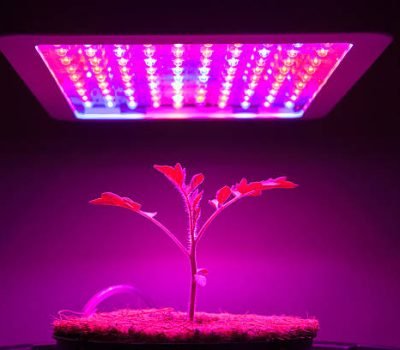
LED grow lights run cooler than HPS or CDM fixtures at equivalent light output, reducing the ventilation and cooling equipment a beginner needs to manage heat. This lower heat output also shortens the safe distance between light and canopy, letting LEDs work in smaller tents without scorching plants. LED fixtures use less electricity per unit of usable light than HPS, cutting running costs across a full grow cycle. HPS and CDM lights still outperform LED in raw light penetration for larger, established canopies, but that advantage matters more to experienced growers scaling up than to beginners starting their first 80x80cm tent.
How Much Wattage Do You Need Per Square Metre?
LED grow lights need 400-600W per square metre for flowering-stage plants, with lower wattage suiting vegetative growth and leafy greens. An 80x80cm tent covers roughly 0.64 square metres, requiring a 250-400W LED fixture to reach that flowering-stage target. Beginners calculate wattage need by multiplying tent floor area in square metres by the target wattage range, then choosing a fixture that falls within that calculated figure.
Step 3 — Ventilation and Air Extraction
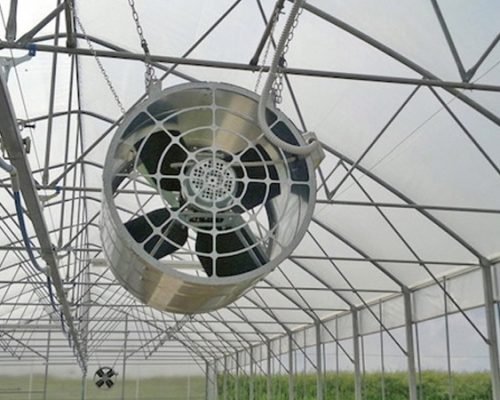
Ventilation removes hot, humid air from the tent and replaces it with fresh air, preventing the heat buildup and mould risk that come with sealed, unventilated spaces.
What Size Fan Do I Need for My Grow Space?
Fan size is measured in cubic metres per hour (m³/h) and calculated from tent volume. An 80x80x160cm tent has a volume of roughly 1 cubic metre, requiring a fan that exchanges that volume every 1-3 minutes for effective extraction. This calculation gives a target extraction rate of 20-60 m³/h as a baseline, though heat from grow lights raises that requirement further. Growers add extra capacity above the baseline calculation specifically to offset light-generated heat, since the baseline figure alone assumes no additional heat load.
How to Match Your Filter to Your Fan
A carbon filter needs an airflow rating equal to or higher than the connected fan’s output, since a mismatched filter restricts airflow and reduces extraction efficiency. Filters rated below the fan’s output create backpressure, forcing the fan to work harder while moving less air than its rated capacity suggests. Matching filter and fan ratings from the same product range simplifies this pairing, since manufacturers design compatible units to work at rated capacity together.
Intake vs Exhaust Airflow Basics
Exhaust extraction pulls air out of the tent through a fan and filter, creating negative pressure that draws fresh air in through passive intake vents. This negative-pressure setup traps odour inside the tent before it reaches the filter, making exhaust extraction the standard beginner configuration. Active intake, using a second fan to push air in, suits larger tents where passive vents can’t supply enough fresh air to match the exhaust fan’s extraction rate.
Step 4 — Controlling Temperature & Humidity
Ideal Ranges by Growth Stage
Vegetative-stage plants grow best at 22-28°C with 40-70% relative humidity. Flowering-stage plants grow best at 20-26°C with 40-50% relative humidity, since lower humidity during flower reduces mould risk on developing buds. Seedlings and clones need higher humidity, around 60-70%, to support root development before their root systems mature enough to handle drier conditions.
Using a Thermo-Hygrometer and Controllers
A thermo-hygrometer measures temperature and humidity in real time, giving growers the data needed to adjust ventilation, heating, or dehumidification before problems develop. Digital controllers connect to fans, heaters, and humidifiers directly, automating adjustments based on preset temperature and humidity targets. Beginners start with a standalone thermo-hygrometer for monitoring, then add a controller once they understand their tent’s typical fluctuation patterns.
Step 5 — Choosing a Growing Medium and Containers
Soil vs Coco vs Hydroponics for Beginners
Soil holds nutrients naturally and buffers feeding mistakes, making it the most forgiving medium for a first grow. Coco coir drains faster than soil and requires more frequent feeding, since it holds less nutrient reserve, but rewards growers with faster growth once feeding schedules are dialled in. Hydroponic systems deliver nutrients directly to roots in a soil-free setup, producing the fastest growth of the three methods but demanding closer monitoring, since nutrient and pH imbalances affect plants faster with no soil buffer to absorb errors. Beginners choose soil first for its forgiveness, then move to coco or hydroponics once they understand feeding and pH management.
Step 6 — Nutrients & Feeding Schedule
Starter Nutrient Schedule for First-Time Growers
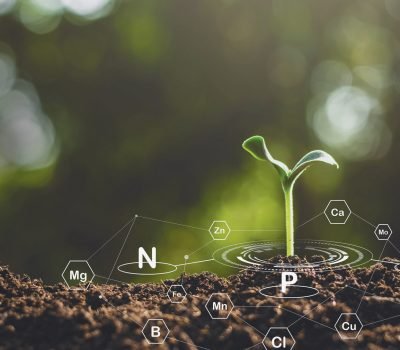
Seedlings need minimal to no additional feeding, since most starter mediums already contain enough nutrients for early growth. Vegetative-stage plants need nitrogen-heavy feeding to support leaf and stem development, applied at half-strength initially to avoid nutrient burn. Flowering-stage plants need a shift toward phosphorus and potassium, supporting bud and fruit development over leaf growth. Beginners follow a manufacturer’s feeding chart at reduced strength for the first few weeks, then increase to full strength once plants show no signs of nutrient stress.
Step 7 — Timers, Power, and Odour Control
Setting Light Timers for Veg and Flower
Vegetative-stage plants need 18-24 hours of light daily, with 18 hours being the most common beginner schedule for balancing growth speed against electricity cost. Flowering-stage plants need a 12-hour light and 12-hour dark cycle, since this equal split triggers the flowering response in most photoperiod plants. A digital timer automates this switch, removing the need for manual light changes at set times each day.
Managing Smell with Carbon Filters
A carbon filter removes odour compounds from extracted air before it leaves the tent, using activated carbon to absorb the compounds responsible for smell. Filter effectiveness declines over time as the carbon becomes saturated, typically requiring replacement every 12-18 months under regular use. Sealing all tent gaps and ducting connections prevents odour from bypassing the filter entirely, since even a well-matched filter can’t neutralise smell escaping through an unsealed seam.
Beginner Setup Example: A Complete 80x80cm Tent Build
A beginner setup for an 80x80cm tent combines six items: a tent, an LED light, an extractor fan, a carbon filter, a growing medium, and a starter nutrient kit, covering all six core components at a beginner-appropriate scale.
| Component | Example Product Type | Estimated Price* |
|---|---|---|
| Grow Tent (80x80x160cm) | Budget-range reflective mylar tent | £90–£150 |
| LED Grow Light (300-400W) | Full-spectrum LED bar or panel | £150–£280 |
| Extractor Fan (100mm) | Inline extraction fan, 200-350 m³/h | £35–£70 |
| Carbon Filter (100mm) | Matched-rating carbon filter | £40–£80 |
| Growing Medium & Pots | Soil or coco coir, 4x 15L pots | £20–£40 |
| Starter Nutrient Kit | Grow/bloom two-part nutrient set | £25–£45 |
| Total | £360–£665 |
*Prices are estimated UK market ranges for this tent size; check current listings on the Grow Tents, LED Grow Lights, and Environment Control pages for exact current pricing.
This build covers two to four plants through a full grow cycle, from seedling or clone through harvest, without needing additional equipment beyond a thermo-hygrometer for monitoring.
How Much Does a Beginner Grow Room Cost? (Full Budget Breakdown)
Total setup cost splits into three tiers, driven by build quality: budget, mid-range, and premium.
| Component | Budget Tier | Mid-Range Tier | Premium Tier |
|---|---|---|---|
| Tent (80x80cm) | £90–£120 | £150–£250 | £300+ |
| LED Light | £150–£200 | £250–£400 | £500+ |
| Fan & Filter | £75–£110 | £120–£180 | £200+ |
| Medium & Containers | £20–£30 | £35–£50 | £60+ |
| Nutrients | £25–£35 | £45–£65 | £80+ |
| Total | £360–£495 | £600–£945 | £1,140+ |
Budget-tier builds use entry-level tents and lights that handle a first grow cycle reliably, though they wear faster under repeated use than higher tiers. Mid-range builds add better light efficiency and stronger extraction instead, improving yield consistency across multiple grows. Premium builds go further still, adding programmable controllers and higher-output LED fixtures suited to growers planning to scale beyond a single tent.
Beginner Grow Room Setup Checklist
- Measure available space before choosing a tent size.
- Choose an 80x80cm tent for a first grow of two to four plants.
- Calculate LED wattage at 400-600W per square metre for flowering stage.
- Size the extractor fan to exchange full tent volume every 1-3 minutes.
- Match the carbon filter’s airflow rating to the fan’s output.
- Set up exhaust extraction with passive intake vents for odour control.
- Install a thermo-hygrometer to monitor temperature and humidity daily.
- Select a growing medium suited to experience level, starting with soil.
- Prepare a starter nutrient schedule at half-strength for the first few weeks.
- Set light timers to 18 hours for veg and 12 hours for flower.
- Seal all tent gaps and ducting connections to prevent odour escape.
- Test all equipment for 24 hours before introducing plants to the tent.
Common Beginner Mistakes When Setting Up a Grow Room
- Undersized ventilation for tent size — an extractor fan below the tent’s calculated m³/h requirement fails to remove heat and humidity fast enough, raising mould and heat-stress risk.
- Buying low-quality lighting — budget lights with poor spectrum coverage slow growth and reduce yield, even when wattage numbers look adequate on paper.
- Ignoring humidity control — unmonitored humidity above 50% during flower creates conditions for bud rot and mildew, damage that often isn’t visible until harvest.
- Overfeeding nutrients early — full-strength feeding from week one causes nutrient burn, since young plants can’t process concentrated nutrients the way established plants can.
- Overcomplicating the setup — beginners adding CO2 supplementation, multiple light types, or advanced automation before mastering the six core components waste budget on tools their skill level doesn’t yet need.
FAQs
What size tent should a beginner start with?
An 80x80cm tent suits a beginner growing two to four plants. This size balances manageable floor space against enough room for plant training and equipment installation.
How much does a beginner grow setup cost?
A beginner grow setup costs £360 to £495 at the budget tier, rising to £600–£945 at mid-range and £1,140 or more at the premium tier. Cost depends on tent size, light wattage, and extraction quality.
Can I grow without a tent?
Growing without a tent is possible in a converted cupboard or spare room. This route requires manual blackout material, added insulation, and separate ducting, since a converted space lacks a tent’s built-in light-sealing and airflow control.
Do I need a carbon filter for a small space?
A carbon filter is necessary for any grow space producing noticeable odour, regardless of size. Filter size scales to fan output, so even a small 80x80cm tent needs a correctly matched carbon filter to control smell.
Is hydroponics harder than soil for beginners?
Hydroponics is harder than soil for beginners. Hydroponic systems demand closer monitoring of nutrient concentration and pH, since no soil buffer exists to absorb feeding errors the way soil does.
How many hours of light do plants need in veg vs flower?
Vegetative-stage plants need 18 hours of light daily. Flowering-stage plants need a 12-hour light and 12-hour dark cycle, since equal light and dark triggers the flowering response in most photoperiod plants.
Do I need expensive equipment to start?
Expensive equipment is not necessary to start. A budget-tier setup costing £360–£495 covers all six core components and supports a full grow cycle from seedling to harvest.
What temperature and humidity should a grow room be?
Vegetative-stage grow rooms run best at 22–28°C with 40–70% relative humidity. Flowering-stage grow rooms run best at 20–26°C with 40–50% relative humidity, since lower humidity during flower reduces mould risk on developing buds.
Conclusion
A first grow room succeeds on six components working together, not on any single expensive upgrade. Tent size, light wattage, and ventilation capacity all scale from the same starting number: floor area. Growers who match these three to their actual space, then add environment control and a forgiving growing medium, avoid the majority of beginner mistakes covered above.
An 80x80cm tent with a matched LED light, extractor fan, and carbon filter builds a complete, capable first setup without unnecessary spend. Ready to build your first grow room? Browse Hydro-Land’s Grow Tent Kit bundles for a matched starter package, explore the full Lighting range to pick the right fixture for your tent size, and check Environment Control for fans, filters, and climate tools sized to your space.