


Grow tent temperature control determines yield, potency, and plant survival. High heat stresses plants, slows growth, and reduces trichome production. Growers face 13 practical cooling methods, ranging from ventilation upgrades to full AC installation. Beginners need low-cost, simple fixes like circulation fans and light schedule adjustments. Experienced growers running larger tents need dedicated AC units, water-cooling, or automated climate controllers. Budget-conscious growers rely on DIY methods like frozen water bottles and swamp coolers. This guide breaks down all 13 methods and matches each one to tent size, climate, and budget.
Why Grow Tent Temperature Control Matters
Grow tent temperature directly controls plant metabolism, water uptake, and resin production. Growers running sealed tents face faster heat buildup than open-room setups because airflow is limited. Commercial cultivators track temperature alongside VPD (vapor pressure deficit) since both factors interact to determine transpiration rate. Home growers, by contrast, prioritize simple thermometer-hygrometer monitoring over full VPD calculation.
Ideal Temperature Ranges by Growth Stage
Seedlings need 68–77°F (20–25°C). Vegetative plants need 70–85°F (21–29°C) with lights on, and 60–70°F (15–21°C) with lights off. Flowering plants need 68–79°F (20–26°C), with the lower end reducing bud rot risk in humid environments. Commercial growers hold flowering temperature near the lower bound to protect terpene retention. Home growers with basic HVAC control target the mid-range for consistency across day-night cycles.
H3: What Happens When Your Tent Runs Too Hot
Temperatures above 85°F (29°C) reduce photosynthesis efficiency and stall nutrient uptake. Prolonged heat stress causes leaf curling, canoeing, and reduced trichome density. Flowering plants exposed to sustained high heat produce lower cannabinoid and terpene concentrations. Commercial growers treat heat stress as a direct yield-loss factor, since stalled photosynthesis compounds across the grow cycle. Home growers often see the first symptom as wilting despite adequate watering, which points to heat rather than moisture deficiency.
Signs Your Grow Tent Is Overheating
Leaves curling upward (canoeing) signal heat stress. Rapid soil or medium drying between waterings signals excess tent temperature. Thermometer readings above 85°F (29°C) at canopy level confirm overheating. Slowed vertical growth during the vegetative stage indicates sustained heat stress rather than nutrient deficiency. New growers frequently misread these signs as nutrient burn, while experienced growers check canopy-level temperature first before adjusting feed schedules.
13 Proven Ways to Cool Your Grow Tent
Grow tent cooling relies on 13 methods, each addressing a different heat source. Ventilation and lighting choices form the foundation. AC, water-cooling, and automation handle advanced setups. Spacing, insulation, and reflective materials support the core methods. Budget growers achieve results through DIY techniques.
Upgrade Your Ventilation System (Intake, Exhaust, Carbon Filter Sizing)
Ventilation removes hot air and replaces it with cooler air. Exhaust fan CFM must exceed tent volume for full air exchange every 1-3 minutes, per Cannabis Business Times ventilation guidelines. Intake ports allow passive or active air replacement. Carbon filter length adds airflow resistance, so exhaust fan CFM must account for filter static pressure loss. Beginners need a correctly sized inline fan and passive intake. Commercial growers need dual exhaust systems with filtered intake for odor and heat control.
Switch to LED Grow Lights to Cut Heat Output
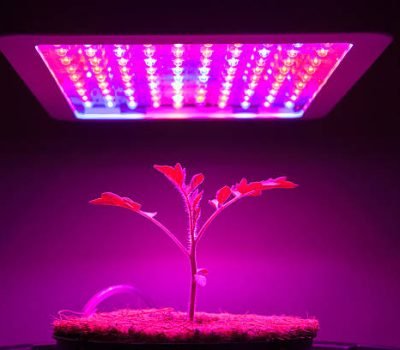
LED grow lights produce less radiant heat than HPS or MH lights per equivalent PAR output, according to horticultural lighting studies from the DLC (DesignLights Consortium). LED fixtures convert more electrical input into usable light and less into heat. Tent temperature drops 5-10°F after switching from HPS to LED under equal wattage. New growers reduce cooling costs immediately with LED conversion. Growers in hot climates benefit most, since LED cuts the primary heat source at its origin.
Adjust Your Light Schedule and Timing
Light schedule timing shifts heat load to cooler parts of the day. Running lights during nighttime hours lowers ambient tent temperature when room temperature drops. Vegetative stage plants tolerate 18/6 or 20/4 light schedules; flowering stage plants require a strict 12/12 schedule. Growers in hot climates run lights overnight to avoid daytime heat stacking. Growers with cool basements run lights during the day without penalty.
Add Circulation Fans for Even Airflow
Circulation fans prevent hot air pockets from forming near lights and canopy tops. Oscillating fans placed above and below canopy level maintain even temperature distribution. Stagnant air raises leaf surface temperature above ambient tent temperature, increasing transpiration stress. Small tent growers need one clip fan. Large tent growers need multiple fans positioned for cross-canopy airflow.
Relocate Heat-Generating Equipment Outside the Tent
Ballasts, controllers, and pumps generate heat as a byproduct of operation. Moving ballasts outside the tent removes a direct heat source from the grow space. Inline fans and carbon filters placed outside the tent reduce internal heat load further. Growers with limited tent space benefit from equipment relocation without sacrificing canopy area. Growers running multiple lights see the largest temperature drop from this method.
Install a Dedicated AC Unit
Dedicated AC units remove heat through active refrigeration rather than air exchange. Mini-split and portable AC units cool tents in climates where ambient room temperature exceeds target tent temperature. AC installation requires ducting the hot exhaust outside the grow room. Commercial and multi-light growers need AC units to maintain temperature under high heat loads. Growers in hot climates need AC when ventilation alone cannot bring temperature below 80°F.
Use Water-Cooling Techniques
Water-cooled lighting systems transfer heat away from the bulb through circulating water rather than air. Water-cooled reflectors reduce radiant heat inside the tent by removing heat at the light source. This method suits growers running high-wattage HPS or CMH lights in space-constrained tents. Advanced growers use water-cooling to run higher light intensity without raising canopy temperature.
Insulate the Tent Against External Heat
Insulation blocks external heat from transferring into the tent through fabric walls. Tents placed in garages, attics, or non-climate-controlled rooms benefit most from added insulation. Reflective tent fabric with a thermal barrier layer reduces heat gain from surrounding room temperature. Growers in hot climates or non-insulated spaces need this method to prevent ambient heat penetration.
Optimize Plant Spacing and Canopy Airflow
Plant spacing affects airflow between and around canopy foliage. Overcrowded canopies trap heat and humidity at leaf level, raising local temperature above tent average. Proper spacing allows circulation fans to reach all canopy areas evenly. Growers using SCROG or SOG techniques need deliberate spacing to prevent airflow dead zones. New growers often overcrowd tents, creating hot spots that spacing corrects.
Automate Climate Control with a Controller
Climate controllers regulate temperature by triggering fans, AC units, or exhaust systems automatically based on sensor readings. Automation removes manual monitoring and prevents temperature spikes during grower absence. Controllers with day/night presets adjust cooling response to light schedule changes. Growers managing multiple tents need automation to maintain consistency across setups. Hands-off growers benefit most from full climate automation.
Manage CO2 Levels Alongside Temperature
CO2 supplementation raises the temperature threshold plants can tolerate without stress, per research from the American Society for Horticultural Science. Tents running CO2 above ambient levels (1000-1500 ppm) support canopy temperatures up to 85-88°F without growth reduction. CO2 and temperature must be managed together, since CO2 supplementation without adequate heat becomes ineffective. Growers running sealed tents with CO2 injection need higher temperature tolerance built into their cooling strategy.
Use Reflective and Heat-Deflecting Materials
Reflective interior materials, typically Mylar, redirect light back onto the canopy rather than absorbing it as heat. Heat-deflecting exterior covers block radiant heat from external light sources or room temperature. Reflective materials reduce hot spot formation on tent walls facing direct light sources. Growers with tents near windows or heat-generating room equipment need heat-deflecting covers as a supplementary layer.
Try Budget DIY Cooling Methods (Frozen Bottles, Swamp Coolers)
Frozen water bottles placed near intake vents lower incoming air temperature temporarily. DIY swamp coolers use evaporative cooling through a fan blowing across ice or wet materials. These methods lower tent temperature by a small margin and require frequent manual replacement. Budget growers without funds for AC or water-cooling systems use these methods as short-term fixes. Growers in mild climates achieve adequate results from DIY methods alone.
Which Cooling Method Is Right for You?
Cooling method selection depends on tent size, climate, budget, and grower experience level. Passive ventilation suits small tents in cool climates. Active AC suits large tents in hot climates. Water-cooling suits high-wattage setups in space-constrained tents.
AC vs. Water-Cooling vs. Passive Ventilation: Cost, Effort, and Effectiveness Compared
Passive ventilation costs the least and requires the least maintenance, but handles the smallest heat load. Water-cooling costs more than passive ventilation, requires plumbing setup, and removes heat directly at the light source. AC costs the most upfront and in electricity, but handles the largest heat load and works independent of ambient room temperature. Beginners prioritize passive ventilation for low cost and simplicity. Commercial growers prioritize AC for reliability under high heat loads. Growers with high-wattage water-cooled lights prioritize water-cooling to protect canopy temperature without added room heat.
Cooling Setups by Tent Size (2×2 up to 10×10)
Tent size determines exhaust fan CFM, AC BTU capacity, and circulation fan count needed for adequate cooling. A 2×2 or 2×4 tent needs a small inline fan (100-200 CFM) and one clip fan. A 4×4 tent needs a mid-range inline fan (200-400 CFM), carbon filter, and two circulation fans. A 5×5 or larger tent needs a high-CFM exhaust fan (400-600 CFM) and often a dedicated AC unit. An 8×8 to 10×10 tent needs commercial-grade exhaust, multiple circulation fans, and AC or water-cooling for consistent temperature control. New growers with 2×2 or 4×4 tents manage heat with ventilation alone. Growers scaling to 8×8 or 10×10 tents need active cooling systems to prevent heat buildup across the larger canopy area.
Grow Tent Cooling Mistakes That Waste Money
Grow tent cooling mistakes waste money through wrong equipment sizing, ignored humidity, missing insulation, and conflicting devices. These four mistakes account for most cooling budget waste among home growers. Beginners overspend on AC units before fixing basic ventilation errors. Experienced growers waste money on redundant equipment that works against itself.
Undersized Exhaust Fans
Undersized exhaust fans fail to achieve full air exchange, leaving heat trapped inside the tent. Exhaust fan CFM must match tent volume and account for carbon filter static pressure loss, per standard HVAC sizing methodology. Growers who size fans to tent volume alone, without filter resistance, end up with 20-30% less real airflow than needed. New growers make this mistake most often by skipping filter and ducting length calculations. Growers replacing an undersized fan waste money twice, once on the wrong fan and once on the correct replacement.
Ignoring Humidity While Chasing Temperature
Humidity and temperature move together inside a sealed tent environment. Lowering temperature without controlling humidity raises relative humidity, since cooler air holds less moisture at the same absolute humidity level. High humidity above 60% during flowering increases mold and bud rot risk, according to cultivation research from university extension programs. Growers chasing only temperature numbers create mold conditions that destroy the harvest. Growers managing VPD (vapor pressure deficit) instead of temperature alone avoid this mistake entirely.
Skipping Insulation in Hot Climates
Skipping insulation in hot climates forces cooling equipment to work continuously against external heat gain. Uninsulated tents in garages or attics lose the cooling effect of AC or ventilation to ambient heat penetrating tent fabric. Growers in hot climates who skip insulation pay higher electricity costs from AC units running at maximum output constantly. Growers who add insulation reduce AC runtime and lower long-term energy costs.
Running AC and Dehumidifiers Against Each Other
AC units and dehumidifiers both remove moisture from air, causing overlap in humidity control. Running both devices simultaneously without coordination wastes energy and can drop humidity below target range for the growth stage. Dehumidifiers also generate heat as a byproduct, working against the AC unit’s cooling output. Growers running both devices need a shared controller to prevent one device from undoing the other’s work. Growers unaware of this conflict waste money running two systems that cancel each other’s effect.
Safety Considerations When Cooling a Grow Tent
Grow tent cooling introduces electrical and moisture-related risks alongside temperature benefits. Fans, AC units, and controllers add electrical load to the circuit. Aggressive cooling drops humidity control below safe thresholds, creating condensation risk. Growers running multiple cooling devices need circuit capacity planning and dew point awareness.
Electrical Load and Fire Risk
Multiple cooling devices on a single circuit increase fire risk through overload. Exhaust fans, AC units, and controllers draw cumulative amperage that can exceed standard 15-20 amp household circuits, per NEC (National Electrical Code) residential wiring standards. Daisy-chained power strips and extension cords increase resistance and heat buildup at connection points. Growers running AC units or multiple high-draw fans need a dedicated circuit to prevent overload. Renters in older buildings need an electrician’s assessment before adding high-draw cooling equipment.
Condensation and Mold Risk from Over-Cooling
Rapid air temperature drops below the dew point cause condensation on tent walls, ducting, and canopy surfaces. Condensation raises humidity locally, creating conditions for mold and bud rot, according to agricultural extension guidance on greenhouse moisture control. AC units without paired dehumidification often over-cool air while leaving humidity unmanaged. Growers using AC in flowering stage need a hygrometer to monitor humidity alongside temperature. Growers in humid climates need dehumidification paired with any active cooling method.
Seasonal Cooling Strategy
Grow tent cooling demands change with ambient seasonal temperature. Summer requires maximum active cooling capacity. Winter requires heat retention alongside ventilation. Transitional seasons require flexible, adjustable cooling response.
Summer
Summer ambient temperatures push room heat above tent target range, increasing reliance on active cooling. AC units, water-cooling, and maximum exhaust CFM become necessary rather than optional during peak summer months. Growers without AC need night-cycle light schedules to avoid daytime heat stacking. Growers in hot climates need insulation and reflective covers to block external heat gain during summer months.
Winter
Winter ambient temperatures drop below tent target range, shifting the challenge from heat removal to heat retention. Exhaust ventilation pulls in cold intake air, requiring balance between air exchange and temperature loss. Growers in cold climates need insulated ducting and reduced exhaust CFM to prevent overcooling. Growers running LED lights in winter need supplemental heating, since LED produces less ambient heat than HPS.
Transitional Seasons
Transitional seasons bring fluctuating daily temperatures that require adjustable cooling response. Spring and fall ambient swings mean tents may need cooling during the day and heat retention at night. Controllers with automated thresholds handle transitional temperature swings without manual adjustment. Growers without automation need daily monitoring during transitional months to catch temperature drift early.
Troubleshooting: Still Too Hot? Diagnose the Problem
Persistent heat problems trace back to four common causes. Exhaust capacity, airflow gaps, daily temperature cycles, and ambient room heat each require a different fix.
Exhaust Can’t Keep Up
Exhaust fan CFM below tent volume requirements causes heat buildup despite continuous operation. Undersized fans, clogged carbon filters, and kinked ducting reduce effective CFM below the rated output. Growers running high-wattage lights need exhaust CFM calculated for full air exchange every 1-3 minutes, not the tent’s base volume alone. Upgrading fan size or removing ducting restrictions resolves most exhaust shortfalls.
Hot Spots Despite Good Airflow
Hot spots form near light fixtures, tent walls, and low-airflow corners even with adequate total ventilation. Circulation fans positioned incorrectly leave dead zones untouched by moving air. Dense canopy growth blocks airflow to lower and interior plant sections. Repositioning circulation fans and thinning dense canopy areas eliminates most localized hot spots.
Temperature Swings Throughout the Day
Temperature swings result from light-on and light-off cycles combined with fixed ventilation output. Lights-on periods raise tent temperature 10-15°F above lights-off baseline in tents without active cooling. Controllers with day/night presets stabilize temperature by adjusting fan speed and AC cycling automatically. Manual growers experience larger swings than growers using automated climate control.
Ambient Room Too Hot for Passive Cooling
Passive ventilation pulls air from the surrounding room, so room temperature sets the tent’s cooling floor. Tents in garages, attics, or non-climate-controlled spaces cannot cool below ambient room temperature through ventilation alone. Dedicated AC units or relocating the tent to a cooler room solves this limitation. Growers in hot climates need AC when room temperature exceeds the target tent temperature.
Conclusion
Grow tent temperature control determines plant health and yield outcomes. The 13 methods covered range from basic ventilation upgrades to advanced AC and water-cooling systems. Tent size, climate, and budget determine which combination of methods applies. Troubleshooting persistent heat requires identifying the specific failure point: exhaust capacity, airflow distribution, daily cycling, or ambient room temperature. Correct diagnosis prevents wasted spending on the wrong fix.