
A grow light is an artificial lighting fixture that gives indoor plants the specific light spectrum they need to photosynthesise and grow, replacing or supplementing natural sunlight. The right fixture follows three variables: the plant’s stage, the grow space, and the spectrum it delivers. Hydro Land covers all three across the UK, with LED, HPS, CDM/CMH, propagation and under-canopy grow lights, plus the reflectors, ballasts and controllers that run them. The range spans every budget, from £15 supplemental bars to premium Sanlight, Lumatek, Dimlux and Gavita fixtures. Every order arrives price-matched and professional-grade, with free discreet UK delivery over £50.


Secret Jardin TLED (Growing) – 26 Watt (L54cm)
Price range: £45.00 through £70.00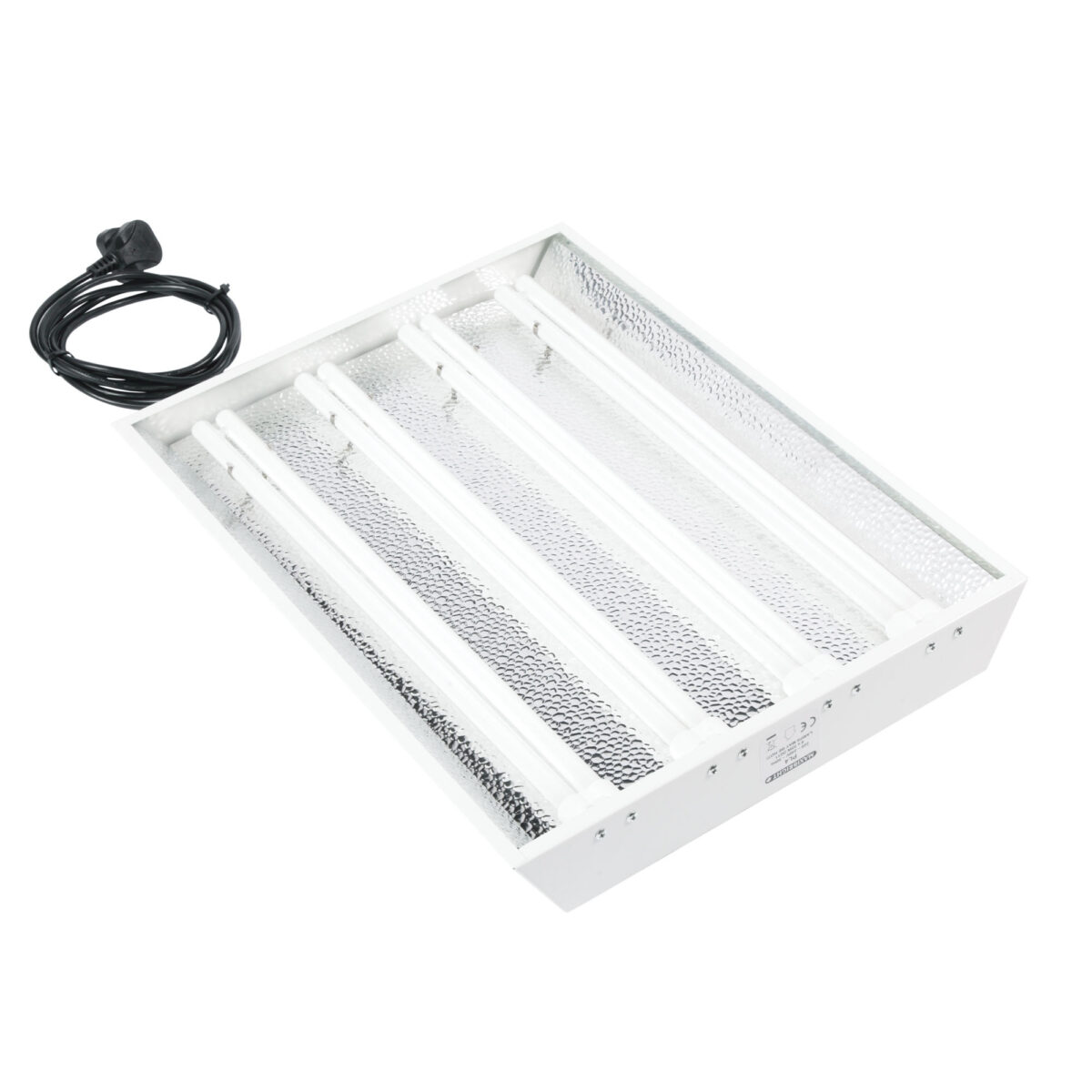


Secret Jardin TNOled Growing
Price range: £55.00 through £85.00
Maxibright T5 Florescent Tubes
Price range: £96.84 through £180.00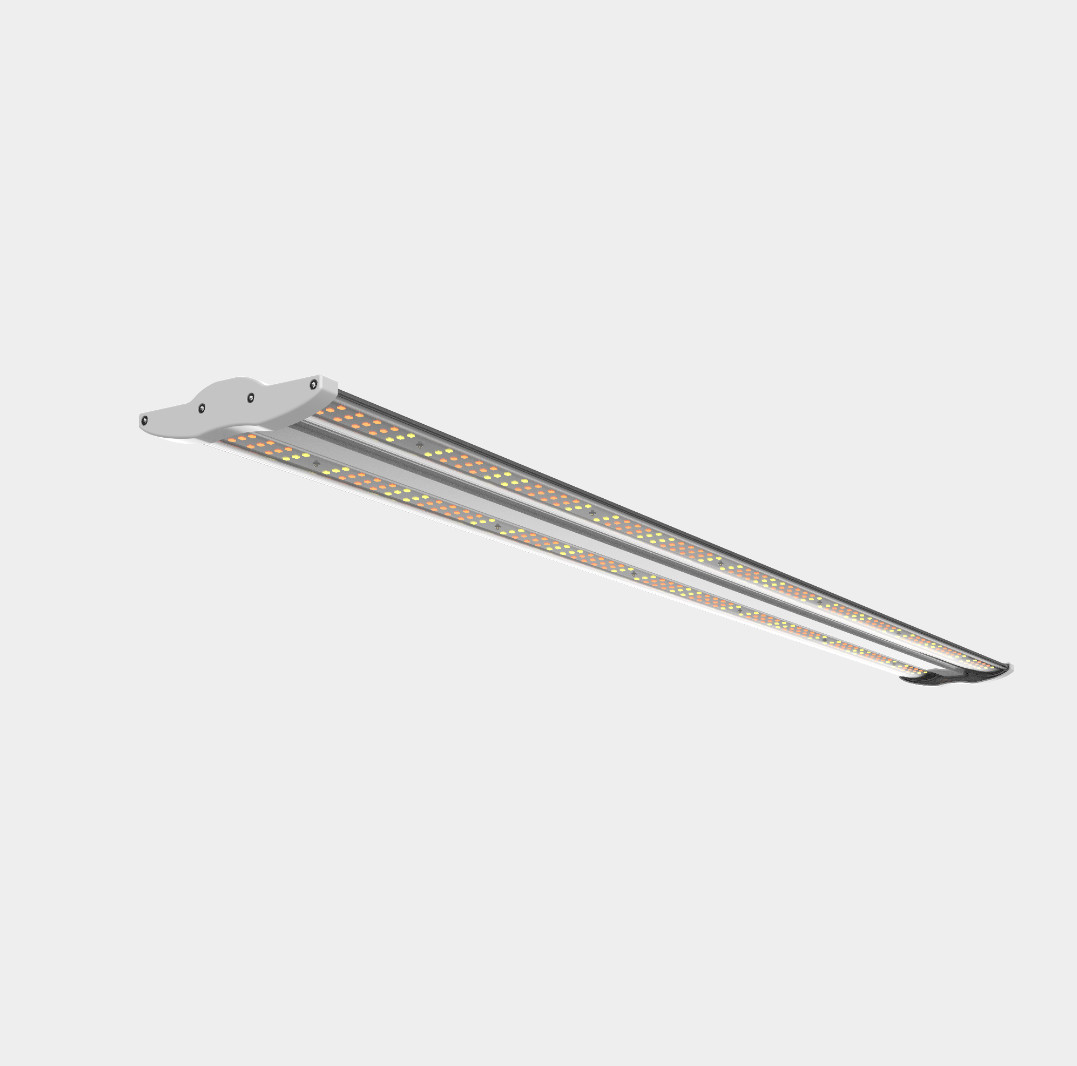
Hortimol TLED Bar
Price range: £120.00 through £227.14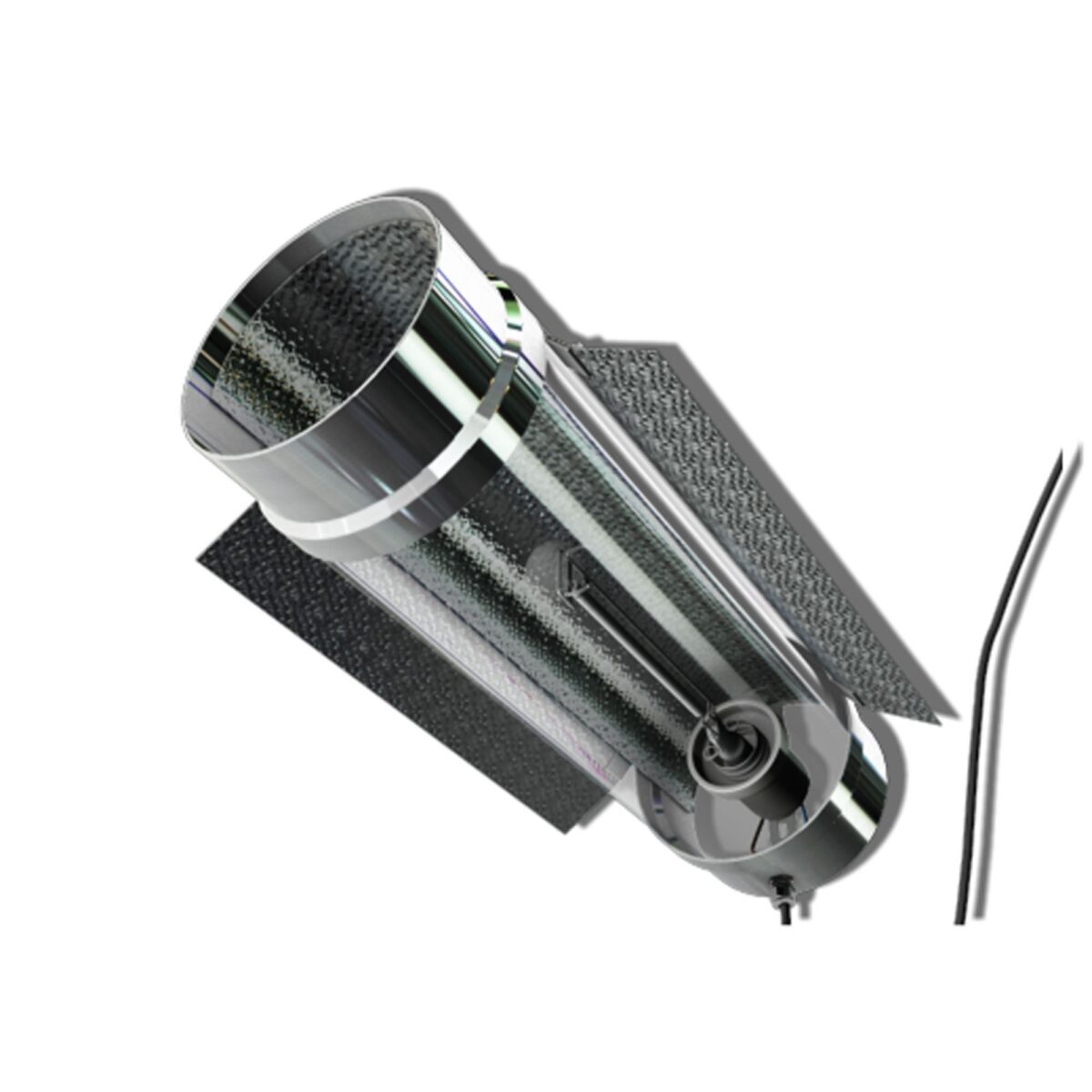
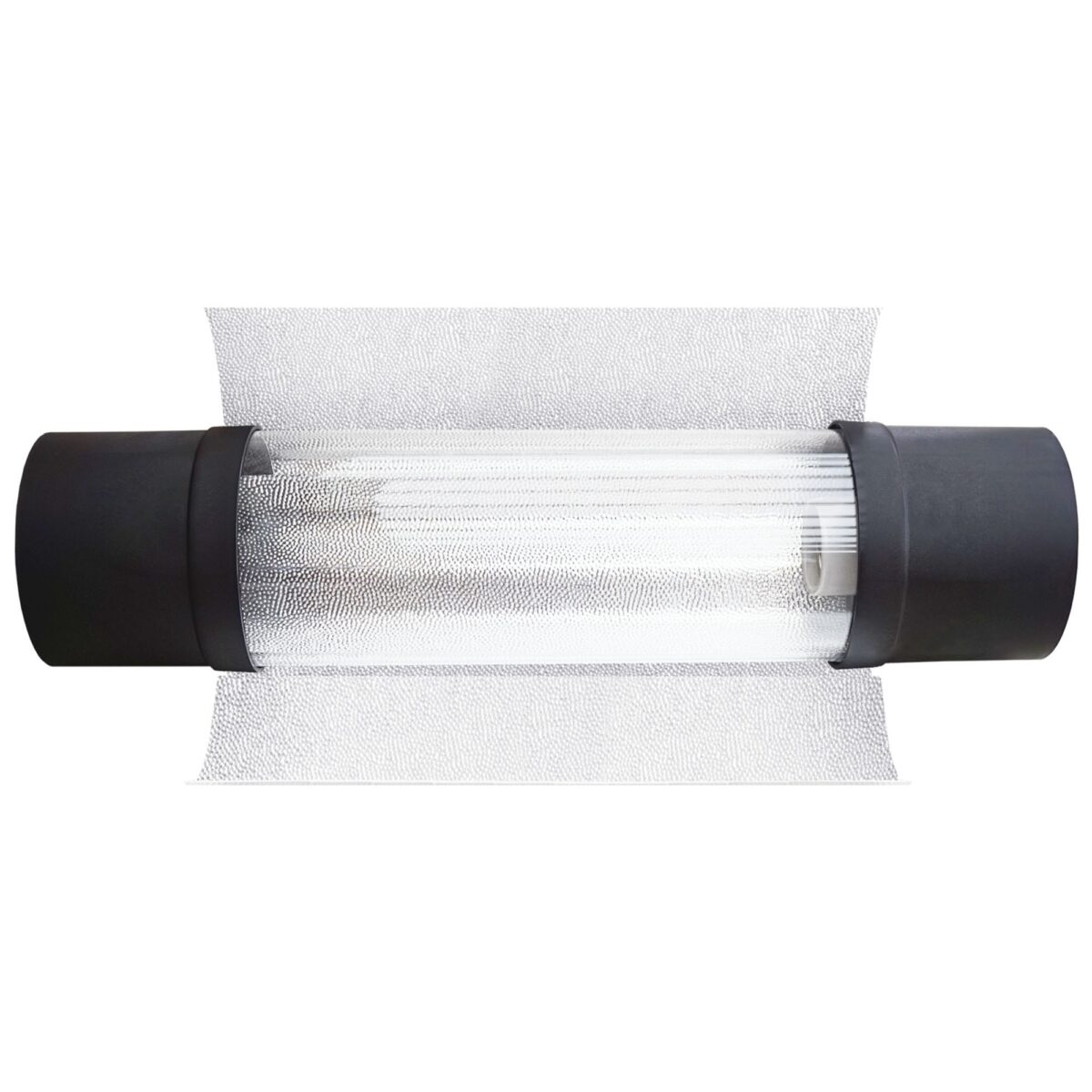
Garden HighPro – Protube Cool Tube
Price range: £33.00 through £57.32
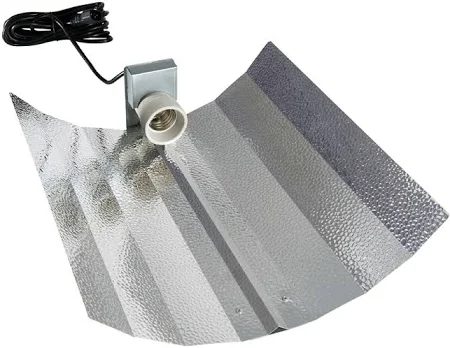
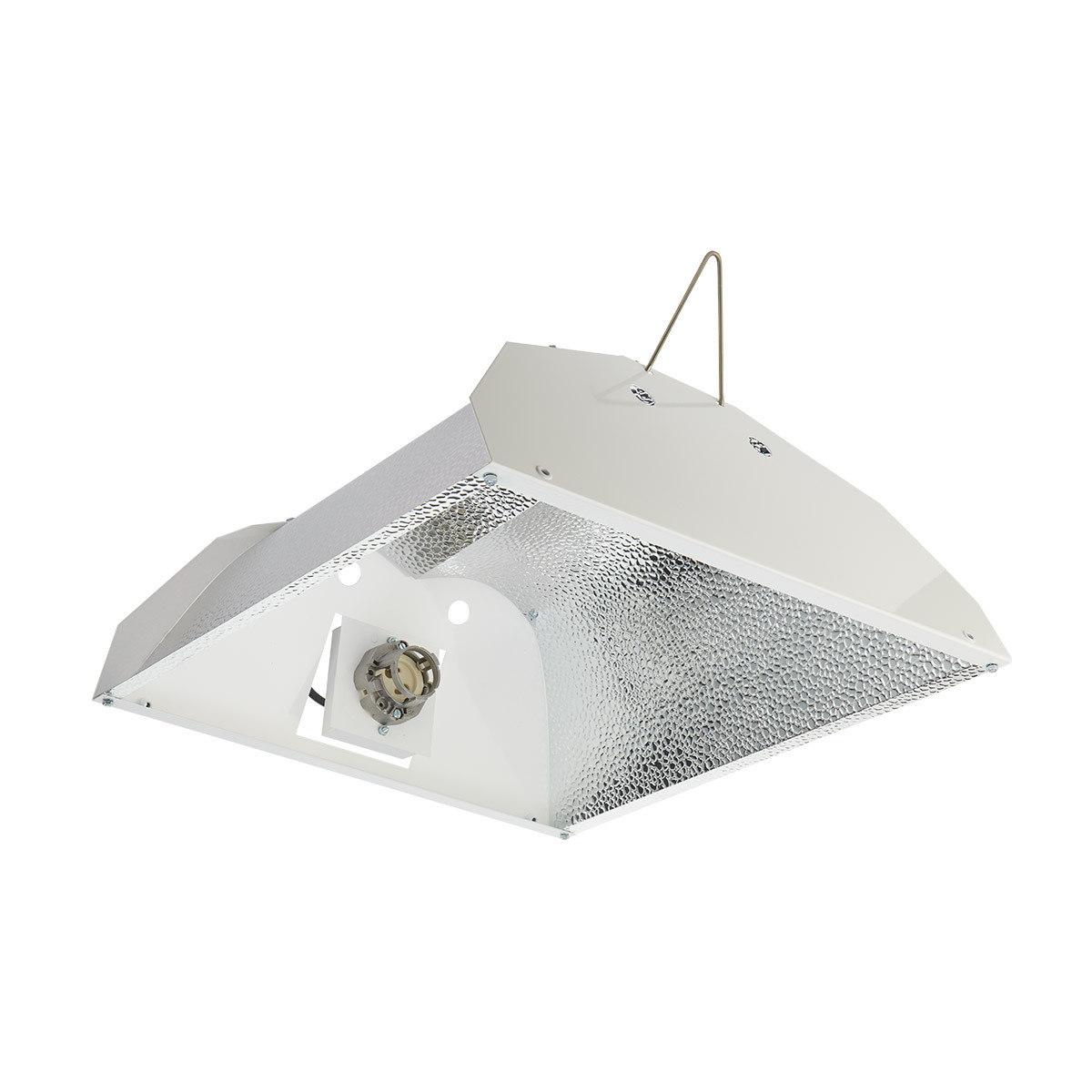
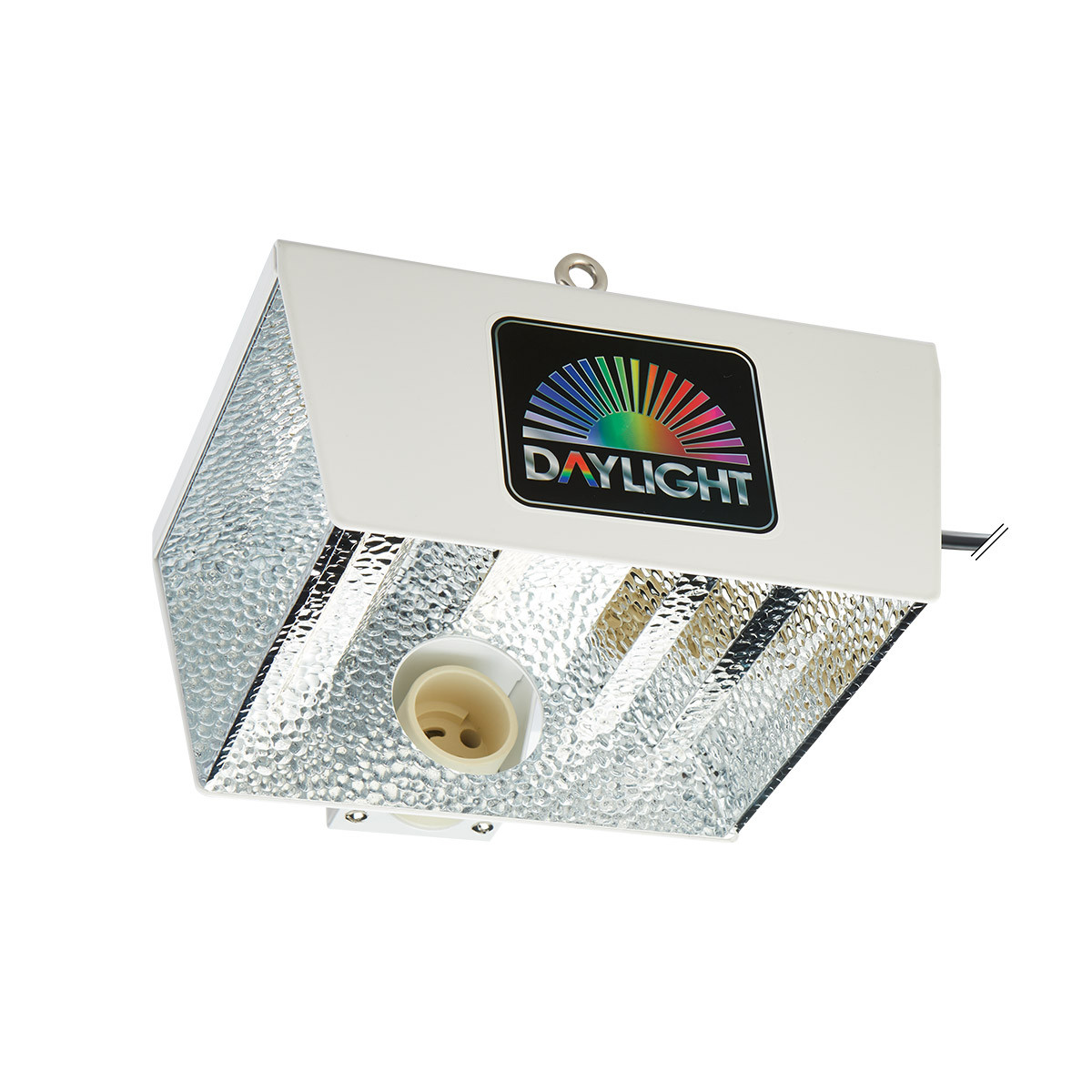
Shop by Light Type
Six grow light types cover indoor growing, each matched to a stage, a spectrum, and a space. The tiles below run from full-cycle fixtures to stage-specific and supporting lights.
- LED Grow Lights : run the full cycle at the highest efficiency and lowest heat.
- HPS Grow Lights : drive heavy flowering yields on an orange-red spectrum.
- CDM / CMH Grow Lights : deliver full-spectrum light from a compact fixture.
- Propagation Grow Lights : feed seedlings and cuttings gentle, low-wattage light.
- Under-Canopy Lighting : lift lower-tier yield with light beneath the canopy.
- Reflectors & LED Deals : direct more light onto the canopy per watt.
What Is a Grow Light?
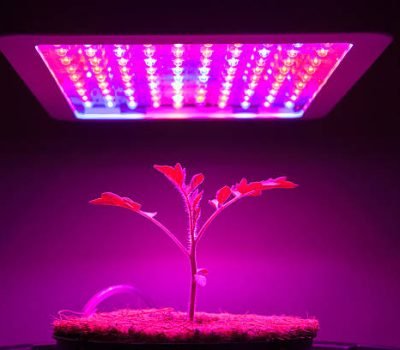
A grow light is an artificial lighting fixture that emits the light spectrum plants use to photosynthesise indoors. It replaces or supplements sunlight across a full grow. Three measurements define its output. PAR (photosynthetically active radiation) is the light between 400 and 700 nanometres that plants convert into growth. PPFD (photosynthetic photon flux density) measures how much of that usable light reaches the canopy, in µmol/m²/s. Efficiency measures light produced per watt drawn, in µmol/J, where a higher figure returns more growth per unit of electricity.
Grow Light Spectrum Explained
Grow light spectrum is the mix of wavelengths a fixture emits, and each colour band drives a different stage of growth.
- Blue light, 400–500nm, drives compact vegetative growth and strong stems.
- Red light, 600–700nm, drives flowering and fruiting.
- Full-spectrum white light combines both with green and far-red, covering the entire cycle from one fixture.
Full-spectrum LED leads the market on two counts: it runs veg and flower from a single unit, and it reveals pests that narrow blue-red spectrums hide.
Types of Grow Lights
Five grow light types suit indoor growing: LED, HPS, CDM/CMH, propagation, and under-canopy. Each type matches a stage, a spectrum, and a space.
LED Grow Lights
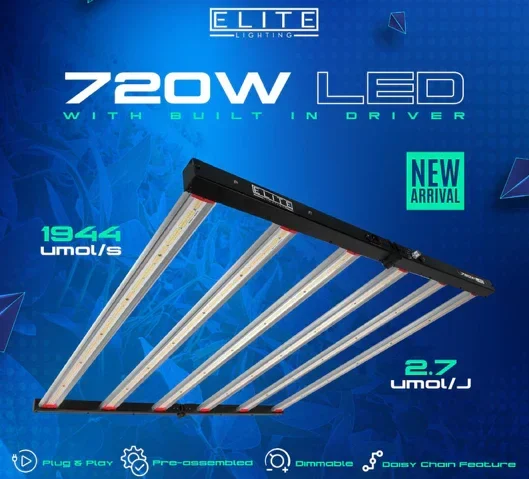
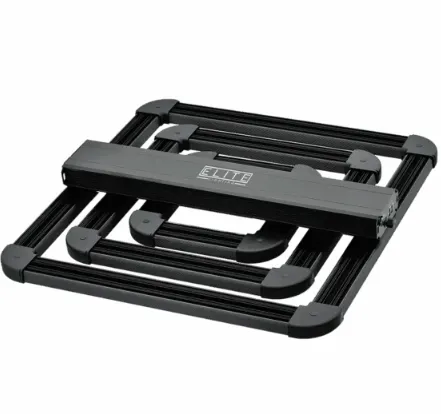
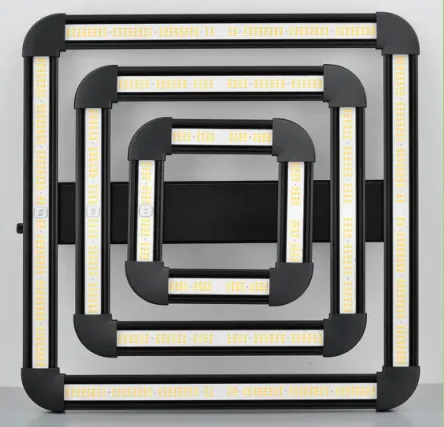
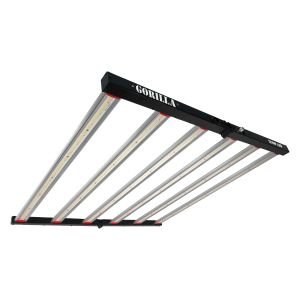
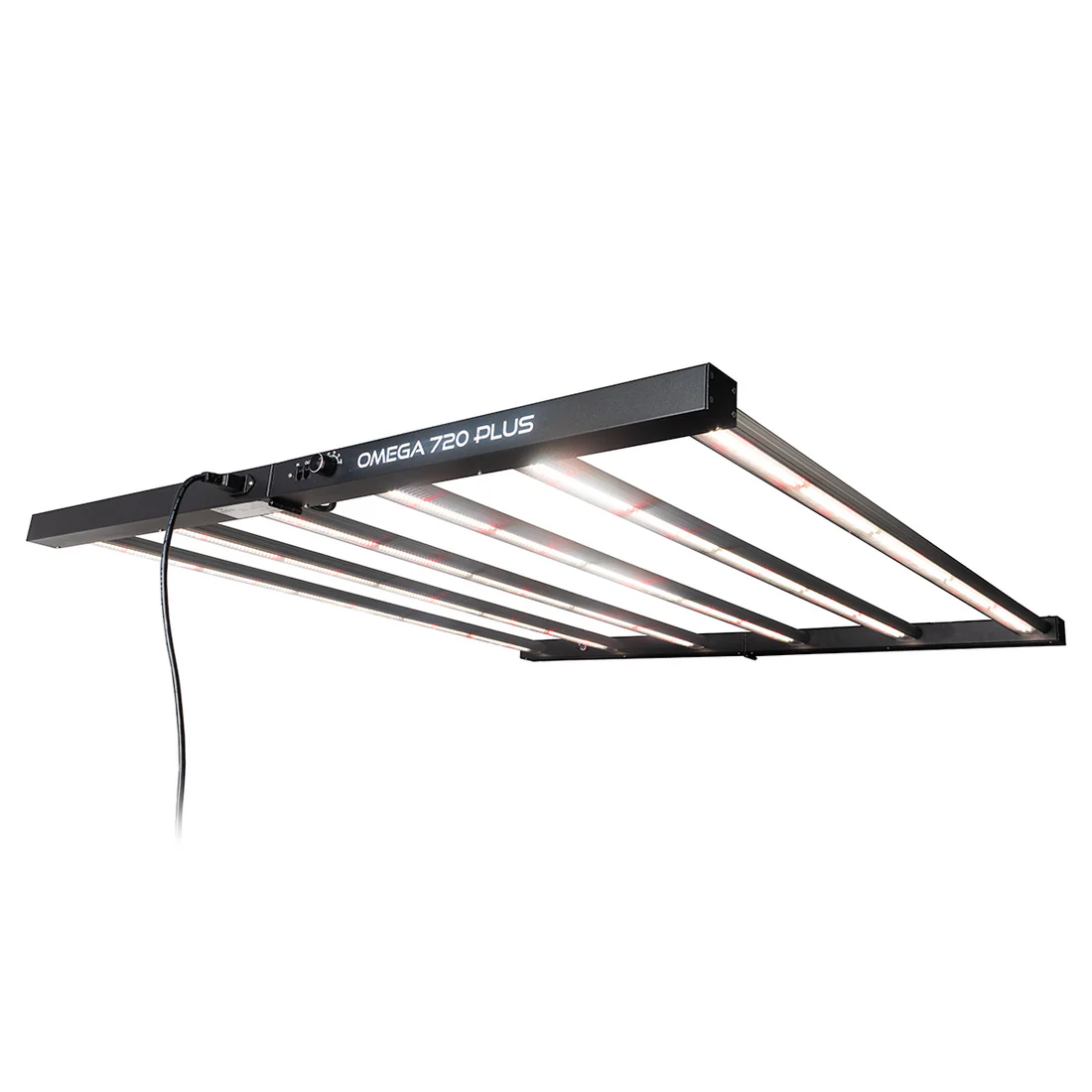
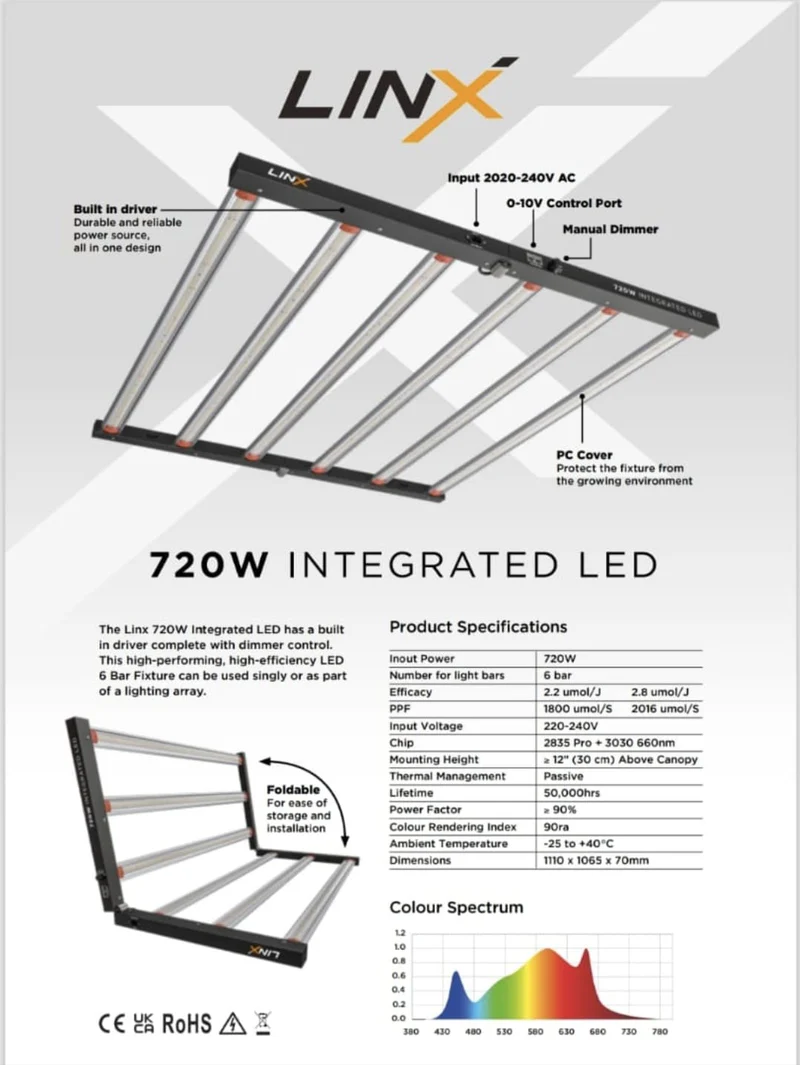
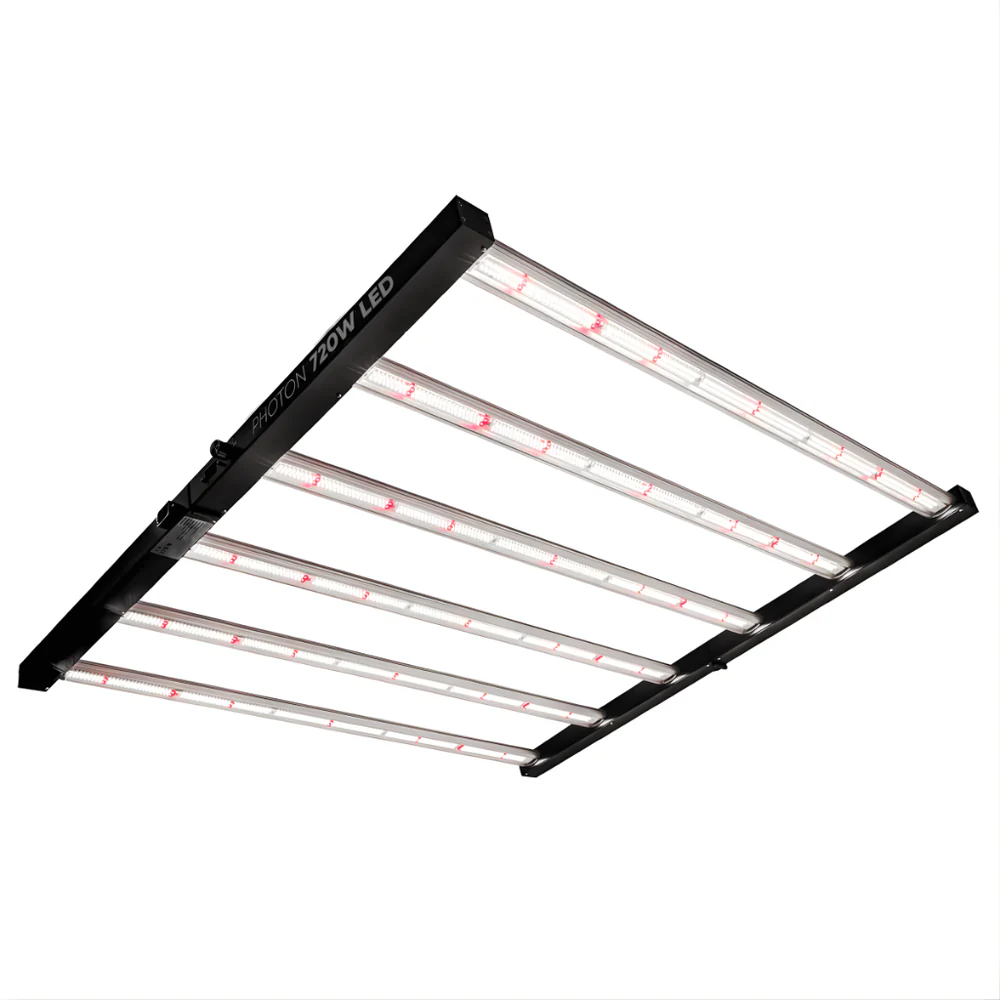
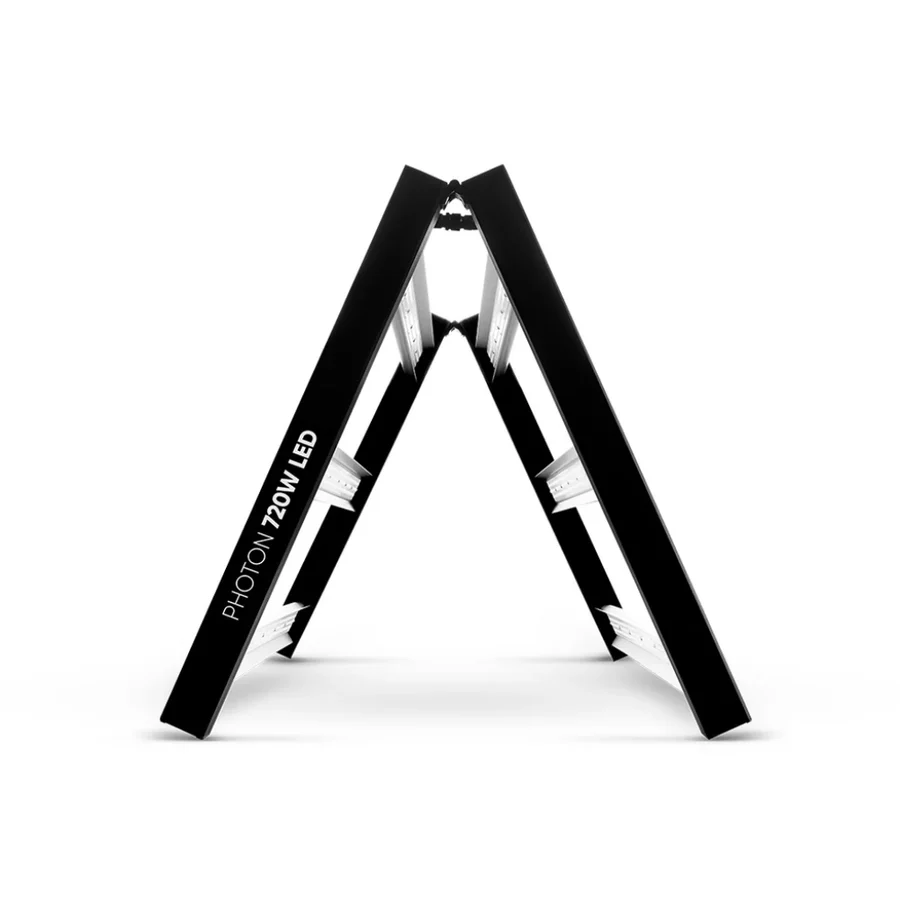
LED grow lights convert more electricity into usable light than any other type, at the lowest heat output. Full-spectrum white LEDs run veg through harvest from one fixture, staying cool enough to sit close to the canopy. Hydro Land stocks own-brand 720W LEDs alongside premium Sanlight and Lumatek fixtures.
HPS Grow Lights
HPS grow lights produce a high light output on an orange-red spectrum that drives heavy flowering yields. A complete HPS system pairs a lamp, a ballast, and a reflector, and runs hot at several hundred degrees. Cool tubes from Ecotechnics and Garden HighPro contain that heat in tighter spaces.
CDM / CMH Grow Lights
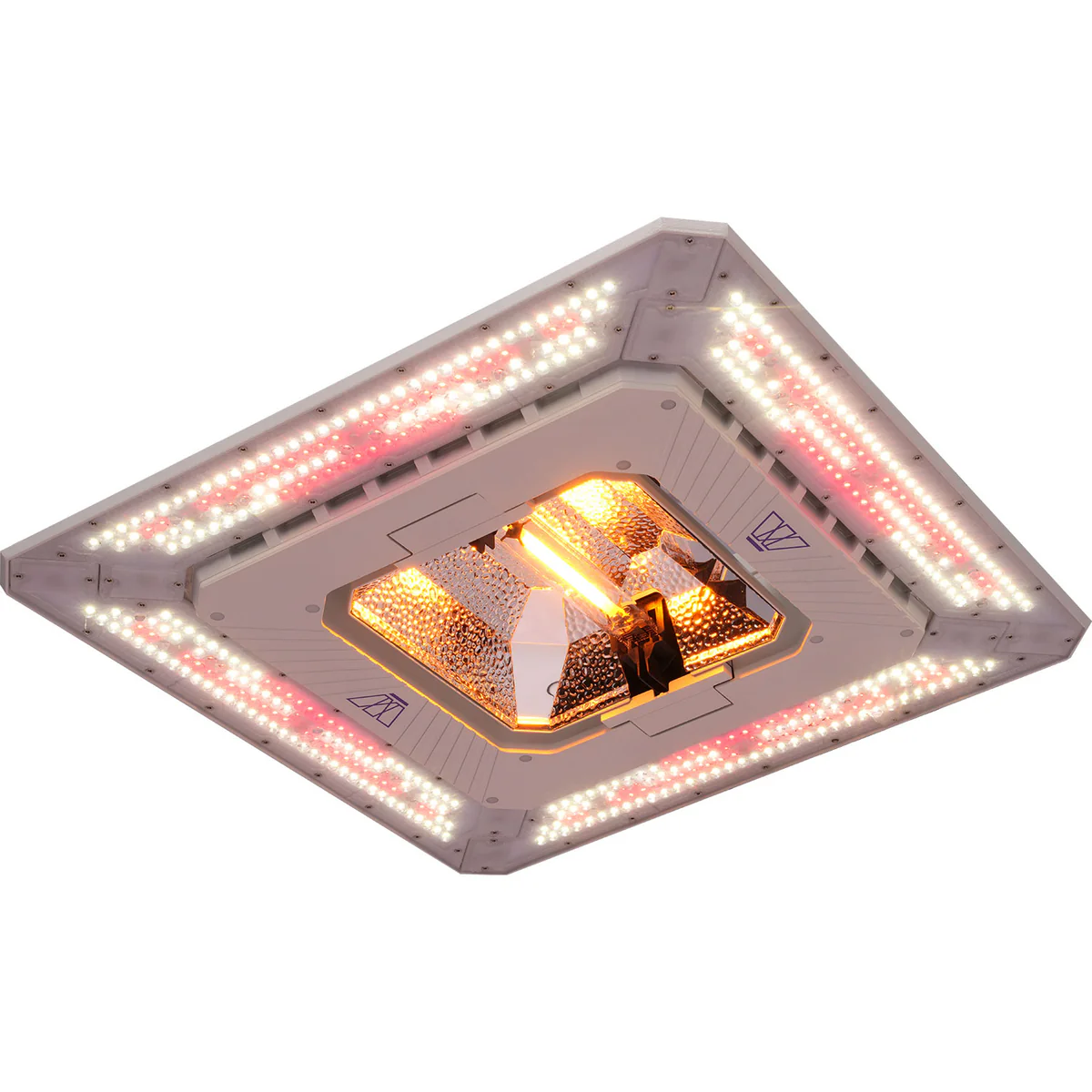
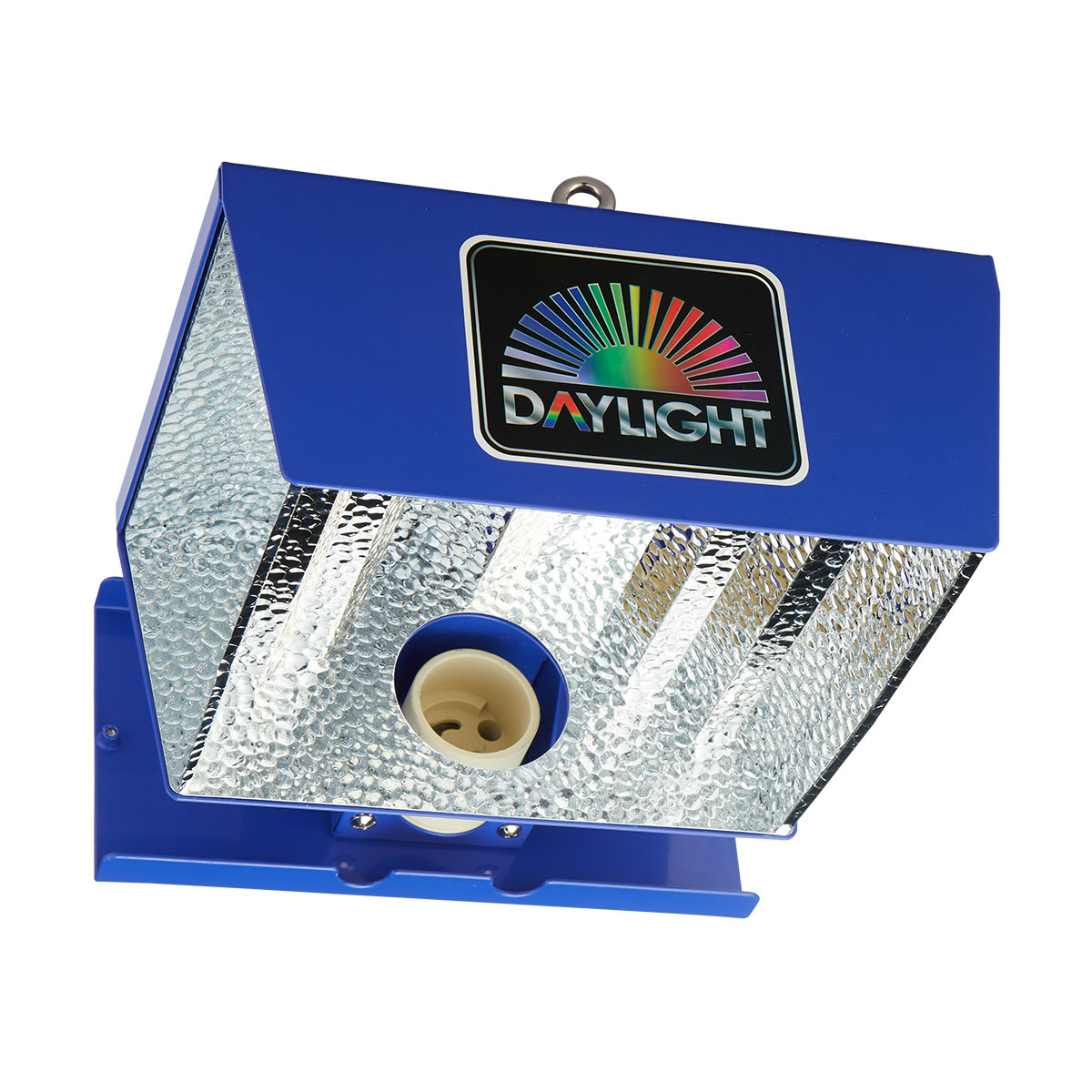
CDM grow lights (ceramic discharge metal-halide) deliver full-spectrum light from a compact, efficient fixture. They run standalone or supplement HPS with the blue wavelengths it lacks. The Maxibright Daylight 315W remains the common choice for quality-focused and small-space grows.
Propagation Grow Lights
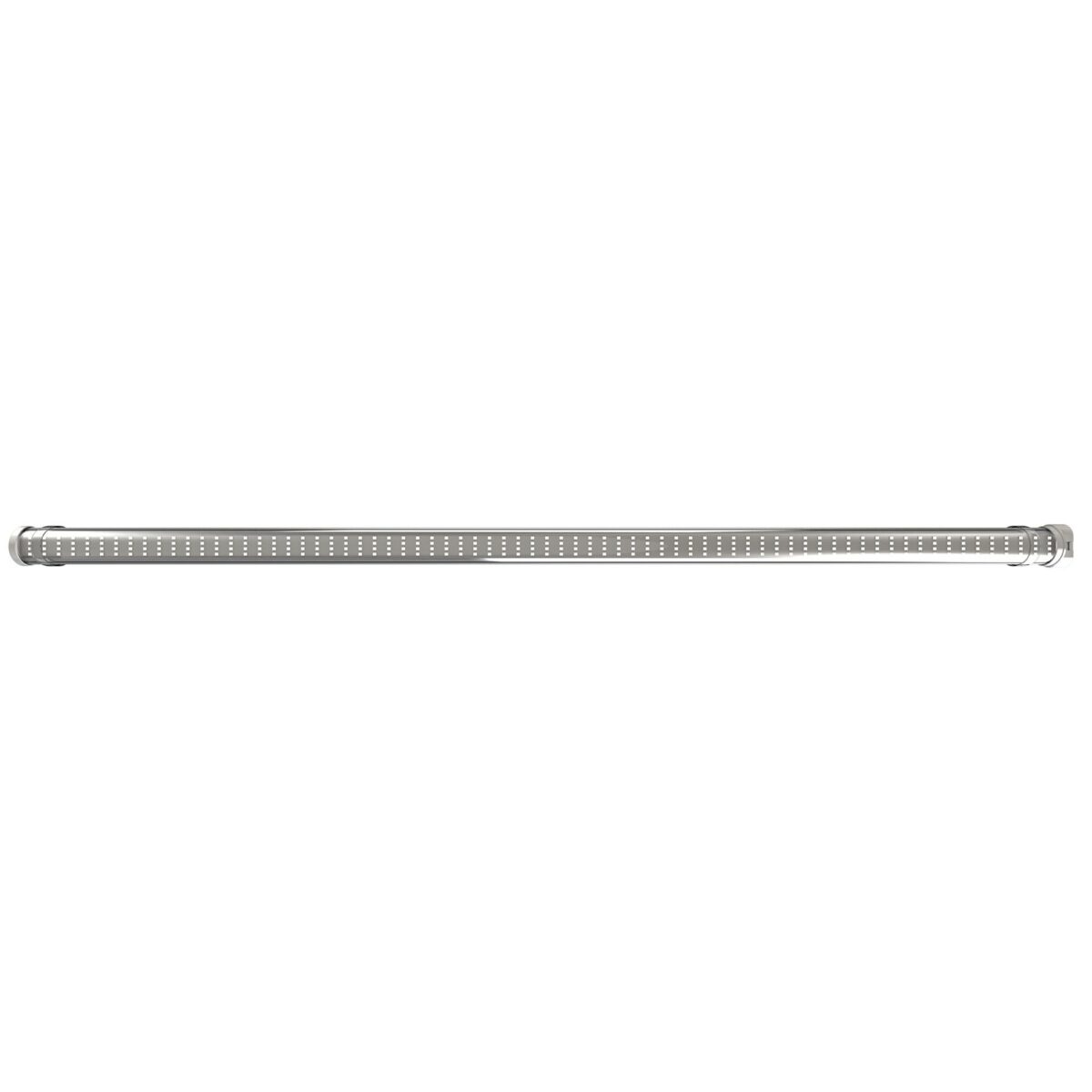
Propagation grow lights give seedlings and cuttings gentle, low-wattage light that supports early root growth without heat stress. T5 fluorescents and LED bars — Secret Jardin, Cosmorrow, Hortimol, and the Maxibright PL4 — cover propagation from a single tray to a full bench.
Under-Canopy Lighting
Under-canopy lighting adds light beneath the main canopy, where lower branches receive too little to fruit well. Faven bars mount between plants and lift lower-tier yield across the same footprint.
MH & Fluorescent Grow Lights
Metal halide and fluorescent grow lights are older HID and tube technologies, now largely replaced by LED and CDM. MH produces a blue-white vegetative spectrum at high heat; fluorescents suit gentle propagation. Both trail LED and CDM on efficiency and spectrum.
Grow Lights by Growth Stage
Grow lights match four growth stages, each with its own wattage and spectrum.
- Propagation runs on 20–40W bars or 300W-class fixtures for gentle, even light over seedlings and cuttings.
- Vegetative growth runs on blue-rich light around 300–480W to build compact, sturdy plants.
- Flowering runs on red-heavy full spectrum from 600W to 1000W to fuel dense buds.
- Full-cycle growing runs on one full-spectrum LED, 600–720W across a 120×120cm space, from seedling to harvest.
Choosing the Right Grow Light
The right grow light matches the grow space first, then the stage, the efficiency target, and the heat it adds to the room.
| Grow space | Suggested LED | Suggested HPS / CDM | Best for |
|---|---|---|---|
| 60×60cm (2×2) | 120–150W LED | 315W CDM | Propagation, 1–2 plants |
| 100×100cm (3×3) | 300W LED | 400W HPS | Small grow |
| 120×120cm (4×4) | 600–720W LED | 600W HPS / 315W CDM | Most popular home size |
| 150×150cm (5×5) | 1000W LED | 1000W HPS | Large grow / multi-plant |
- Match the light to the space — a 120×120cm tent pairs with a 600–720W LED or a 600W HPS.
- Scale the wattage to the stage — propagation runs 20–300W, flowering runs 600–1000W.
- Compare efficiency in µmol/J — a higher figure produces more growth per watt and lowers running cost.
- Weigh the heat — LED runs cool, HPS runs hot and pairs with added extraction and fans.
LED vs HPS vs CDM
| Factor | LED | HPS | CDM / CMH |
|---|---|---|---|
| Efficiency (µmol/J) | Highest | Lower | Mid |
| Heat output | Low | High | Mid–high |
| Spectrum | Full | Orange-red | Full |
| Upfront cost | Higher | Low | Mid |
| Best for | Veg to harvest, hot rooms | Big flower yields on a budget | Supplemental blue, quality |
LED wins on efficiency, heat, and spectrum; HPS wins on upfront cost; CDM fills the gap as compact, full-spectrum support.
Top Grow Light Picks
Five grow lights lead the Hydro Land range across budgets and stages:
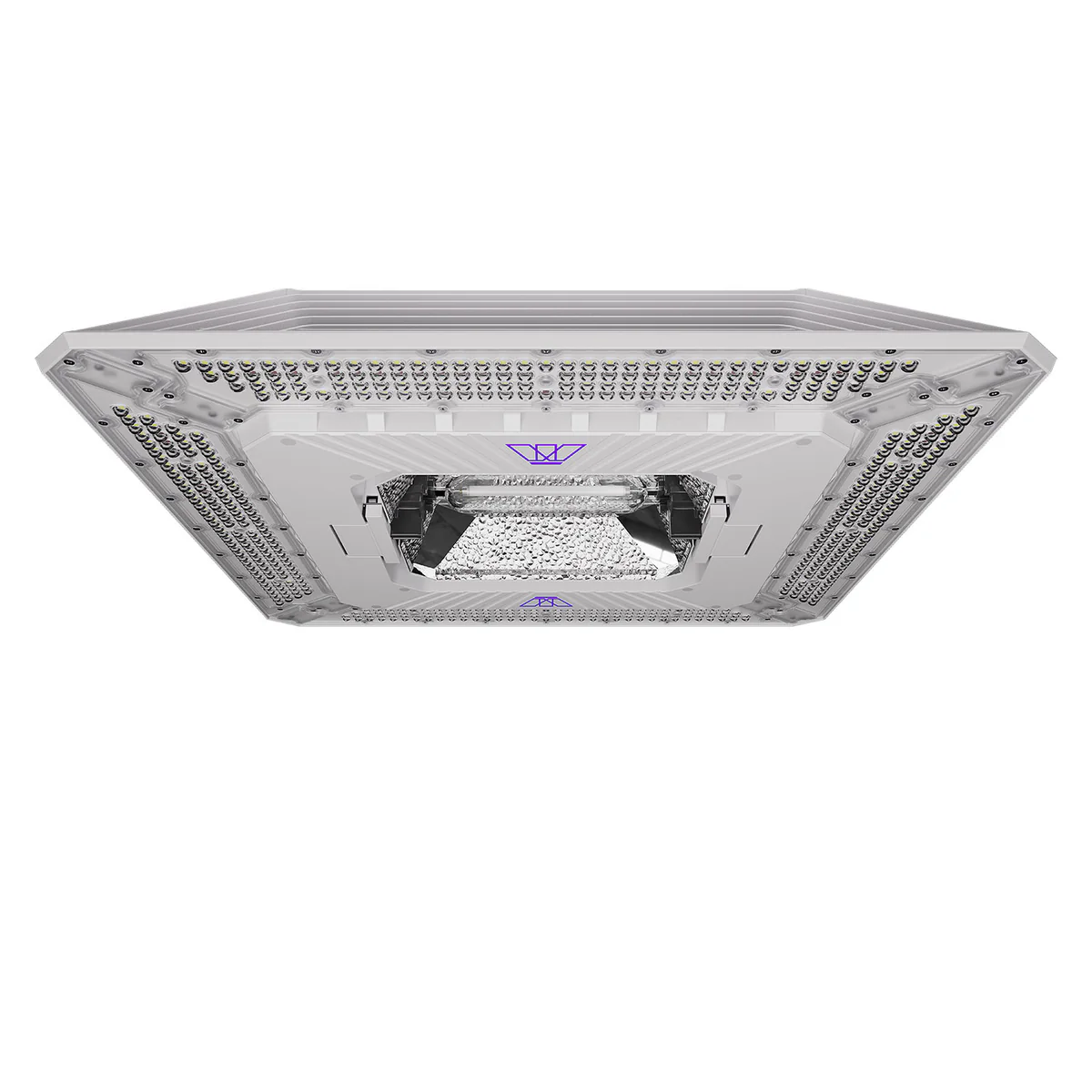
- Matrix Hybrid 1000W — the first true HPS+LED fusion, combining both spectrums in one fixture.
- Sanlight LED — the top efficiency and build-quality pick for full-cycle growing.
- Omega Black 720W Plus LED — the best budget value, full spectrum at £148.
- Maxibright Daylight 315W CDM — compact full-spectrum light for small spaces and supplemental blue.
- Secret Jardin Cosmorrow LED — gentle propagation light for seedlings and cuttings from £15.
FAQs
What grow light do I need for a 4×4 grow tent?
A 4×4 (120×120cm) grow tent needs a 600–720W LED or a 600W HPS. Both cover the full footprint for a complete grow. A 315W CDM suits the same space for supplemental or quality-focused lighting.
LED vs HPS grow lights — which is better?
LED is better for efficiency, low heat, and full-spectrum coverage from veg to harvest. HPS costs less upfront and drives heavy flowering yields. LED suits most growers; HPS suits tight budgets and cool rooms.
How many watts of grow light do I need per plant / per m²?
Indoor growing needs 30–40W of LED per plant and 300–600W of LED per square metre. A single 4×4 space runs on 600–720W. HPS needs roughly a third more wattage for the same output.
What's the best grow light for seedlings and cuttings?
Seedlings and cuttings grow best under gentle, low-wattage light: 20–40W LED bars or a 300W-class propagation fixture. The Secret Jardin Cosmorrow, Hortimol TLED, and Maxibright PL4 deliver soft, even light without heat stress.
What light spectrum do plants need in veg vs flower?
Plants need blue light (400–500nm) in veg for compact, sturdy growth, and red light (600–700nm) in flower for dense buds. Full-spectrum LED delivers both, running the whole cycle from one fixture.
What do PAR, PPF and PPFD actually mean?
PAR is the light between 400 and 700nm that plants use to grow. PPF is the total PAR a fixture produces per second, in µmol/s. PPFD is how much of that light reaches the canopy, in µmol/m²/s.
How far should a grow light be from my plants?
An LED grow light sits 30–45cm above the canopy; an HPS light sits 40–60cm higher because it runs hotter. Seedlings need more distance, flowering plants less. Follow the manufacturer's PPFD chart per fixture.
Are LED grow lights cheaper to run than HPS?
Yes. LED grow lights use 30–40% less electricity than HPS for the same light output, and last over 50,000 hours with no lamp changes. The higher upfront cost returns through lower running and replacement costs.
Which grow light brands do you stock, and which is best?
Hydro Land stocks Sanlight, Lumatek, Maxibright, Dimlux, Gavita, Secret Jardin, and own-brand LED fixtures. Sanlight leads on efficiency and build quality; own-brand 720W LEDs lead on value; Maxibright leads on CDM.
Do your grow lights come with everything needed to set up?
LED fixtures arrive complete with driver and hanging kit, ready to run. HPS and CDM systems need a matched lamp, ballast, and reflector, sold together or separately. Each product page lists what the box includes.